



News

Cornell University researchers have created a fiber-optic sensor that combines low-cost LEDs and dyes, resulting in a stretchable "skin" that detects deformations such as pressure, bending and strain. This sensor could give soft robotic systems - and anyone using augmented reality technology - the ability to feel the same rich, tactile sensations that mammals depend [...]

Scientists have demonstrated a new VR technique which should help in developing drugs against the COVID-19 virus - and enable researchers to share models and collaborate in new ways. The tool, created by University of Bristol researchers, will reportedly help scientists around the world identify anti-viral drug leads more rapidly. A SARS-CoV-2 enzyme known as [...]

Parkinson's disease (PD) is the second most common neurodegenerative disease, with patient numbers being expected to double worldwide in the next 20 years. The detailed molecular and cellular mechanisms underlying its pathogenesis remains unclear, although recent evidence has pointed towards the role of mitochondrial dysfunction in the onset of the disease. Mitochondria - small cellular [...]

Scientists are pioneering the use of individualised brain stimulation therapy to treat aphasia in recovering stroke patients. Aphasia is a debilitating language disorder that impacts all forms of verbal communication, including speech, language comprehension, and reading and writing abilities. It affects around one-third of stroke survivors, but can also be present in those with dementia, [...]
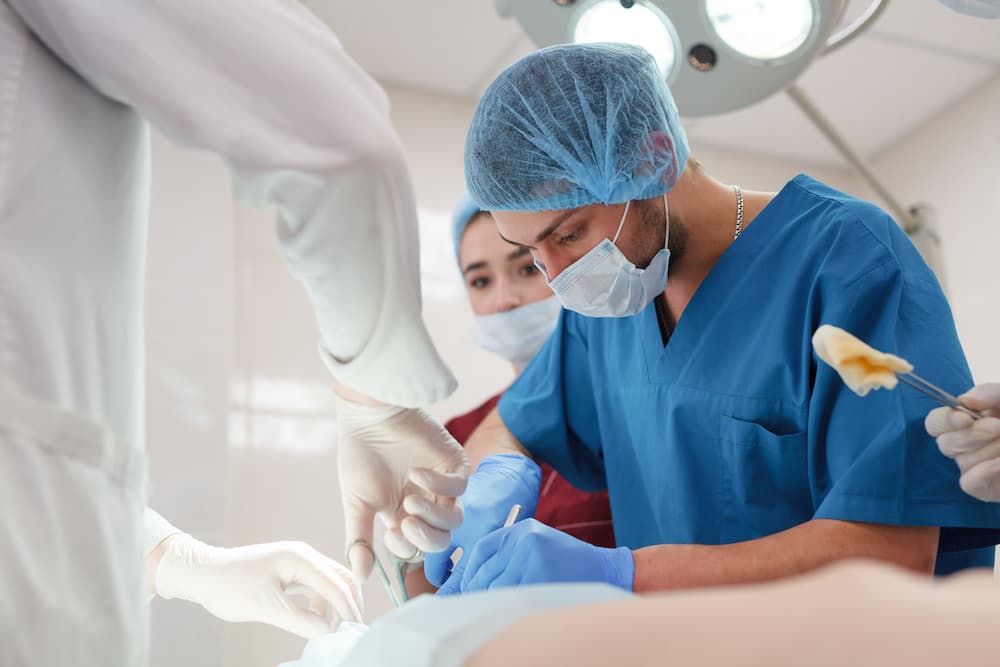
Scientists have developed a method for designing and manufacturing complex-shaped ceramic bone implants with a controllable porous structure, which largely enhances tissue fusion efficiency. Ceramic materials are resistant to chemicals, mechanical stress, and wear, which makes them a perfect fit for bone implants that can be custom-made thanks to advanced 3D printing technology. Various porous [...]
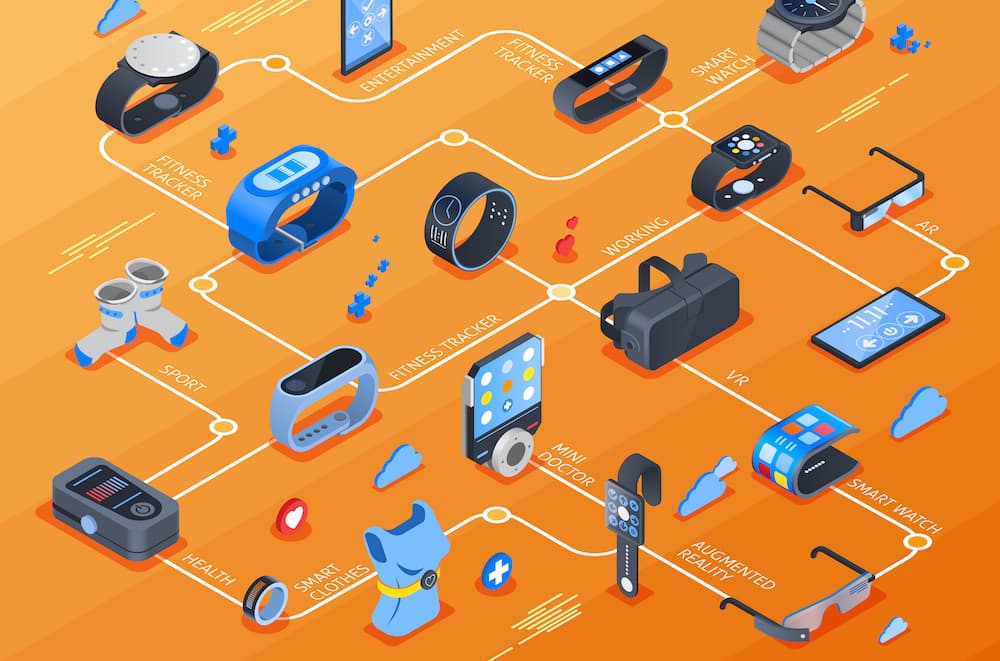
Medical fabrics that deliver drugs, monitor the condition of a wound and perform other tasks, may one day be manufactured more efficiently thanks to a key advance by researchers. The breakthrough, made at US university Oregon State, involves inkjet printing and materials with a crystal structure discovered nearly two centuries ago. The upshot is the ability [...]
A new research project is striving to make cell activities in the entire body controllable by means of light pulses, potentially leading to novel forms of therapy. An interdisciplinary research project of the University of Bern, the Paul Scherrer Institute (PSI), the Humboldt Universität of Berlin (D) and the University of Manchester (UK) is being funded [...]
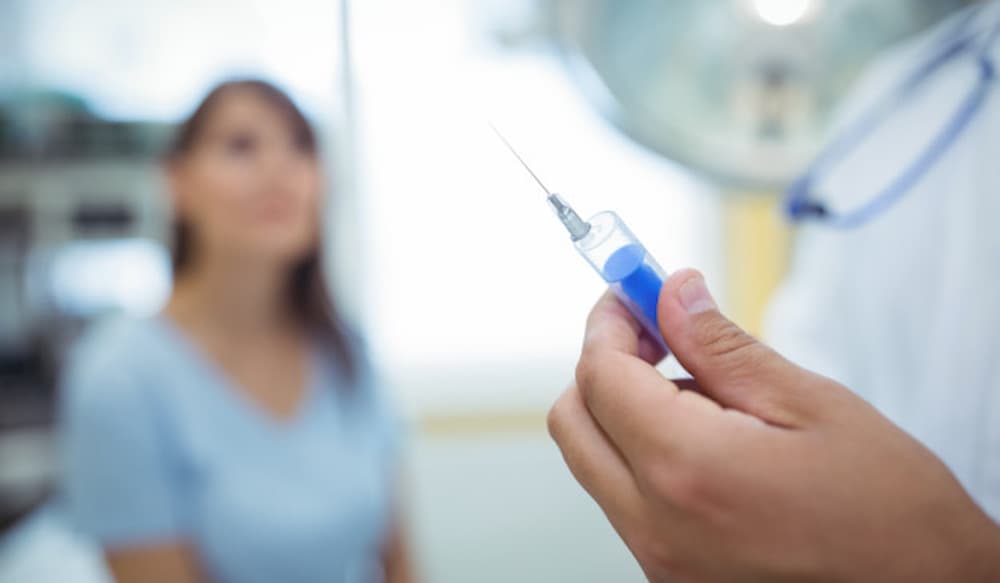
The Vaccines Manufacturing and Innovation Centre (VMIC), a not-for-profit organisation providing the UK’s first strategic vaccine development and advanced manufacturing capability, has appointed 50 people into new roles. The rapid recruitment is part of an ambitious programme of work that aims to ensure VMIC is ready to open in 2021, a year ahead of schedule, [...]

Researchers have discovered a new method of extracting tiny but extremely powerful SARS-CoV-2 antibody fragments from llamas, which could be fashioned into inhalable therapeutics with the potential to prevent and treat COVID-19. These special llama antibodies, called "nanobodies," are much smaller than human antibodies and many times more effective at neutralizing the SARS-CoV-2 virus. They're [...]

Researchers at the University of Colorado Boulder are developing a wearable electronic device that's "really wearable"--a stretchy and fully-recyclable circuit board that's inspired by, and sticks onto, human skin. The team, led by Jianliang Xiao and Wei Zhang, describes its new "electronic skin" in a paper published today in the journal Science Advances. The device [...]