



Biotech
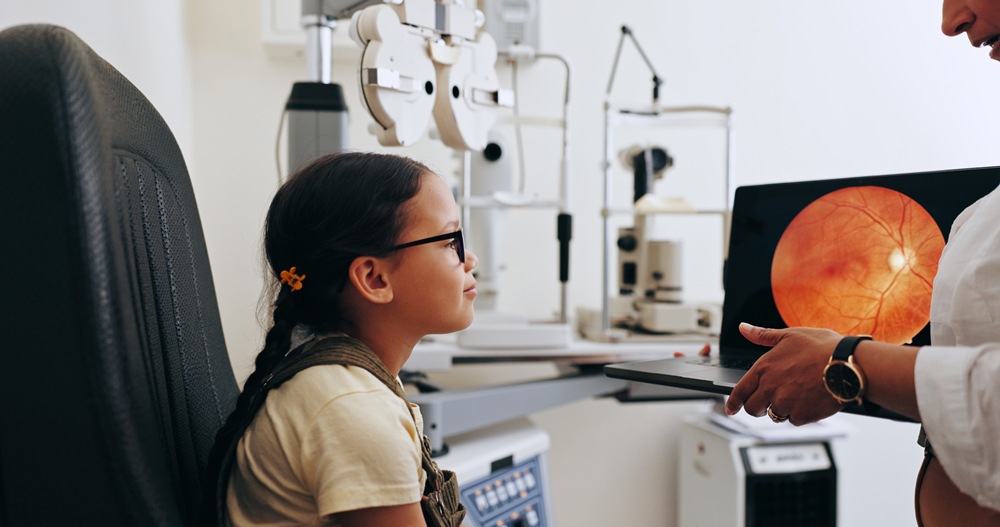
Gene therapy has helped a six-year-old girl see in the dark again after treatment for a rare inherited eye condition. Saffie Sandford, from Stevenage, has Leber's congenital amaurosis, or LCA, a rare genetic condition that prevents cells in the eye from making a protein needed for normal vision. Without treatment, her family had been told [...]
The first UK volunteers have received a bird flu vaccine in a clinical trial aimed at protecting against a possible pandemic. The jab targets the H5N1 strain of flu, a form of bird flu that has caused major outbreaks in birds worldwide and has also spread to some mammals. The risk to humans is currently [...]

Bowel cancer patients stayed cancer-free for nearly three years after immunotherapy before surgery in a clinical trial. Researchers found patients with a specific type of bowel cancer showed no sign of the disease returning when they were given immune-boosting drugs before surgery. The results were described as "extremely encouraging". Dr Kai-Keen Shiu, chief [...]
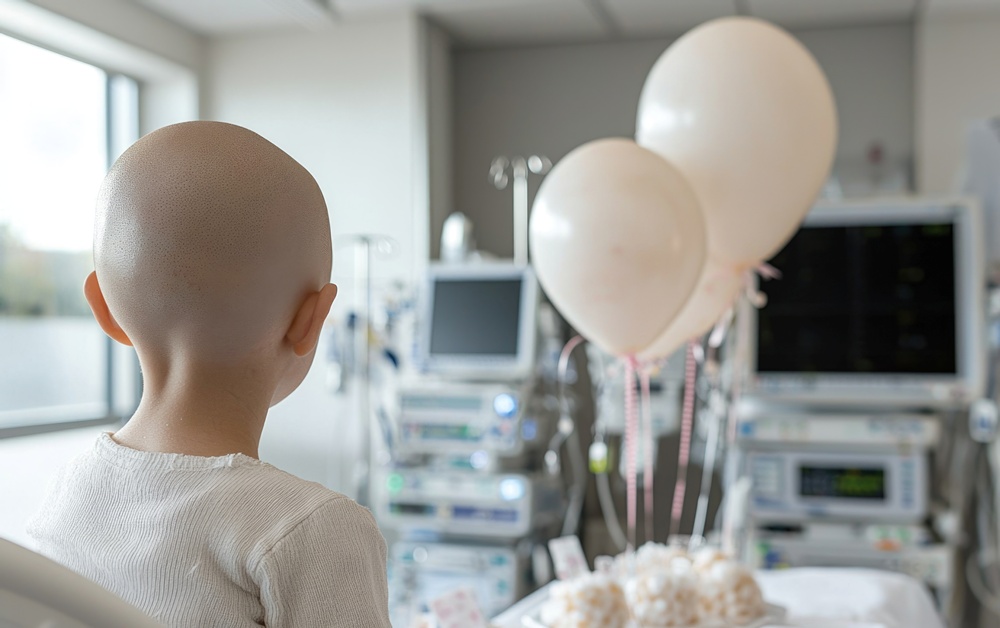
A new cancer trial aimed at training the immune systems of children and young people to fight the disease offers “a real sense of hope”, according to the chief executive of one of its funders. Up to 60 patients with difficult-to-treat solid tumours will be recruited in the UK and the US for the study, [...]
A research team at Johns Hopkins Medicine and the Johns Hopkins Bloomberg School of Public Health reports developing a therapeutic intranasal (nose-delivered) DNA vaccine against tuberculosis (TB) that fuses two genes with the goal of directing the immune system to fight drug-tolerant bacterial “persisters” that can survive prolonged antibiotic therapy and contribute to disease relapse. [...]

Genentech antibody emugrobart has failed in two rare diseases, raising questions over whether it can preserve muscle in ongoing obesity trials. Roche’s Bay Area subsidiary disclosed the discontinued programmes in separate 19 March letters to the patient communities for spinal muscular atrophy (SMA) and facioscapulohumeral muscular dystrophy (FSHD). For both conditions, Genentech said it had [...]
A gene editing tool safely inserted large DNA segments in mice, pointing to a potential new route for genetic medicines. The technique uses circular, single-stranded DNA rather than the usual double-stranded form of DNA, the molecule that carries genetic instructions. The approach is known as INSTALL, short for "integration through nucleus-synthesised template addition of large [...]
Biodegradable nanoparticles have been engineered to help the immune system find and destroy diseased immune cells in an early mouse study. Researchers said the work advances efforts to engineer immune cells inside a patient's own body to tackle cancers and autoimmune diseases such as lupus. Engineered immune cells have already been used to treat a [...]

A new Dravet syndrome drug has shown promising results in early clinical trials in children with the rare and hard-to-treat form of epilepsy. Dravet syndrome is a rare genetic disorder that causes severe epilepsy that is often resistant to treatment and can also lead to speech and developmental delays. Around 3,000 people in the UK [...]
Atavistik Bio has raised US$160m to develop new treatments for rare blood disorders and cancers using a drug design approach aimed at previously hard-to-target proteins. Atavistik Bio develops oral medicines designed to bind to what are known as allosteric sites on proteins. Proteins are molecules in the body that control many biological processes. Most small-molecule [...]