

Research

StuffThatWorks has announced the launch of its Research Fellows Program, an initiative granting 10 select non-profit researchers full access to one of the largest structured patient-reported real-world datasets. The programme is designed to help move from hypothesis to submission much faster by removing common barriers such as dataset format, infrastructure setup, and analytical resources cost. [...]

Predictive Health Intelligence (PHI) and Sano Genetics have announced the completion of recruitment into the LiveWell study, with 996 participants enrolled from a single NHS site in less than a year. Delivered in partnership with Somerset NHS Foundation Trust, which supported clinical oversight and research delivery, and Tawazun Health, and supported by Innovate UK, the [...]

A new data layer for clinical research and real-world healthcare By Sanius Health The missing dimension in healthcare data Healthcare systems capture extraordinary volumes of biological data yet they consistently miss one of the most direct signals of health: how patients actually feel. Laboratory results, imaging, prescriptions, and hospital activity are measured in detail, but [...]

A gene editing tool safely inserted large DNA segments in mice, pointing to a potential new route for genetic medicines. The technique uses circular, single-stranded DNA rather than the usual double-stranded form of DNA, the molecule that carries genetic instructions. The approach is known as INSTALL, short for "integration through nucleus-synthesised template addition of large [...]
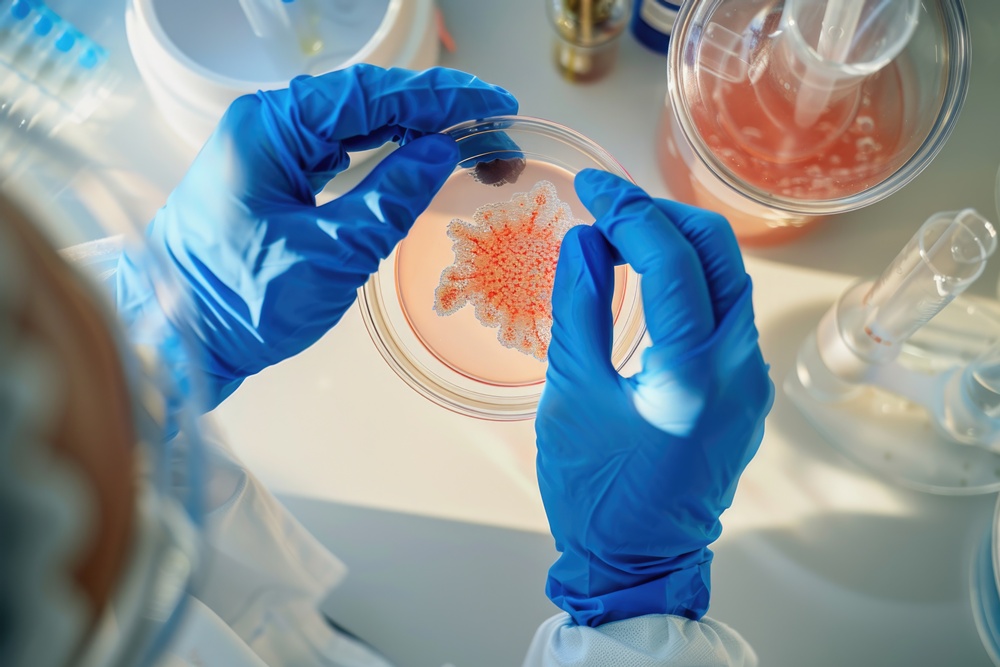
Biodegradable nanoparticles have been engineered to help the immune system find and destroy diseased immune cells in an early mouse study. Researchers said the work advances efforts to engineer immune cells inside a patient's own body to tackle cancers and autoimmune diseases such as lupus. Engineered immune cells have already been used to treat a [...]

Four in 10 UK adults would use AI counselling, a global survey suggests, highlighting growing trust in ChatGPT for mental health support. The study, led by Bournemouth University, surveyed nearly 31,000 adults in 35 countries about their use of artificial intelligence large language models such as ChatGPT. It found that 41 per cent of participants [...]

A new Dravet syndrome drug has shown promising results in early clinical trials in children with the rare and hard-to-treat form of epilepsy. Dravet syndrome is a rare genetic disorder that causes severe epilepsy that is often resistant to treatment and can also lead to speech and developmental delays. Around 3,000 people in the UK [...]

McDermott Will & Schulte has advised Maire Group on the conclusion and implementation of its joint venture agreements with Newcleo SA. Maire, through its subsidiary Nextchem, and Newcleo SA, an innovative company in the nuclear energy sector co‑founded by Stefano Buono, have completed the establishment of NEXT‑N, a joint venture focused on developing advanced technologies [...]

AI sleep technology company Sleep Cycle has announced the kickoff of a five-year research collaboration with The Delphi Group at Carnegie Mellon University (CMU). This collaboration focuses on understanding how privacy-preserved data and sleep-based signals, such as nighttime cough patterns, may complement and enhance traditional respiratory disease surveillance systems and early detection of both seasonal [...]

mRNA nanobodies have shown promise in colorectal cancer, with a preclinical study reporting tumour suppression using lipid nanoparticle-delivered anti-PD-L1 therapy. An original study published in eGastroenterology describes how lipid nanoparticles carrying nucleoside-modified mRNA encoding anti-PD-L1 nanobodies suppressed tumour growth in both sporadic and colitis-associated colorectal cancer models. Colorectal cancer is the third most common cancer [...]