


News

A computer vision technology developed by University of Cambridge engineers has now been developed into a free mobile phone app for regular monitoring of glucose levels in people with diabetes. The app uses computer vision techniques to read and record the glucose levels, time and date displayed on a typical glucose test via the camera [...]

A research team in China has reported the first non-human primate study demonstrating successful in vivo neural regeneration from brain internal glial cells for stroke repair. They have established an ischemic stroke model in rhesus macaque monkeys aged from 9 to 21 years old to capture the typical occurrence of stroke among senior population of [...]

Working from home has become the new normal for many people since the beginning of the COVID-19 pandemic. But what about healthcare professionals who need certain technologies to do their jobs remotely? Among the new solutions emerging out of necessity is Bleepa, an app which gives clinicians access to industry standard imaging on any device. [...]

In the COVID-19 pandemic, preventing the development of chronic conditions through early intervention has become more challenging in many ways. One app which aims to assist with this through a designated fitness regime is EXi. Created by former Team GB physio Carron Manning and her husband Lewis - a former physio at Arsenal Football Club - [...]

From increasing physical activity in schools and workplaces to investing in active urban design – a researcher at the University of East Anglia has helped design a series of recommendations to help get people moving worldwide. More than 1.4 billion adults globally do not achieve minimum recommended levels of physical activity, putting themselves at increased [...]

NHS Digital has completed the largest known public sector data network transition programme, saving the NHS an estimated £75m a year and providing organisations with faster connectivity at reduced cost. Approximately 12,000 sites belonging to 950 NHS, social care, private sector and local authority organisations have moved from the legacy N3 network to the new [...]
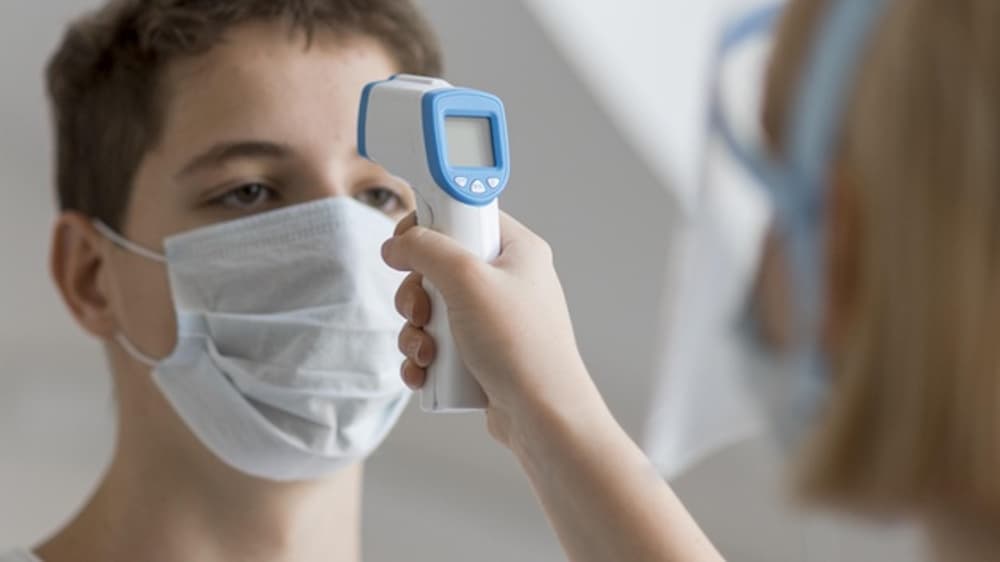
As COVID-19 continues to set new records nationwide, the importance of understanding the difference in accuracy between temporal artery thermometers (TAT) and non-contact devices – now used widely for public temperature screenings – is of paramount importance. Non-contact thermometers are proven to be ineffective in measuring actual body temperature, while the accuracy of the TemporalScanner [...]

An AI powered healthcare referral platform is helping tackle the UK’s Covid crisis with the ability to reduce hospital waiting lists by a third. The first eRS compatible solution to be deployed in the NHS has helped 25,000 users in medical and dental practices across the country manage patient demand since the onset of Covid. The AI-powered [...]
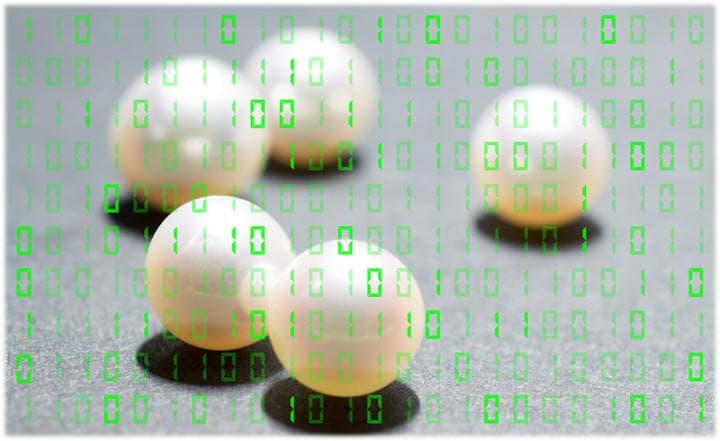
Pearls have long been favoured as objects of beauty. Now scientists are using the gem to provide potential new opportunities for spectral information processing that can be applied to spectroscopy in biomedical and military applications. The team, at Purdue University (Indiana, USA), demonstrated light transport-assisted information processing by creating a pearl spectrometer. Spectrometers probe interactions of [...]

Researchers have developed an advanced technique that makes it possible to monitor a virus infection live. It could used to study a wide variety of viruses, including SARS-CoV-2 - the virus responsible for the current pandemic. The technique named VIRIM ('virus infection real-time imaging') is therefore very valuable for gaining insights in virus infection in [...]