


Diagnostics

In the rapidly expanding field of health technology, Health Tech World award-winner, Delft Imaging, stands out as a pioneer in leveraging advanced medical imaging and artificial intelligence to address some of the world’s most pressing health challenges. Founded in the early 2000s, with a focus on tuberculosis (TB) screening, Delft Imaging has evolved significantly over [...]

A new sweat monitoring device for testing disease biomarkers has been developed that eliminates the need for physical activity to induce sweating. Sweat contains biomarkers that can monitor various health conditions, from diabetes to genetic disorders. This sampling is preferred by many people to blood sampling as it is a painless procedure. However, to obtain [...]
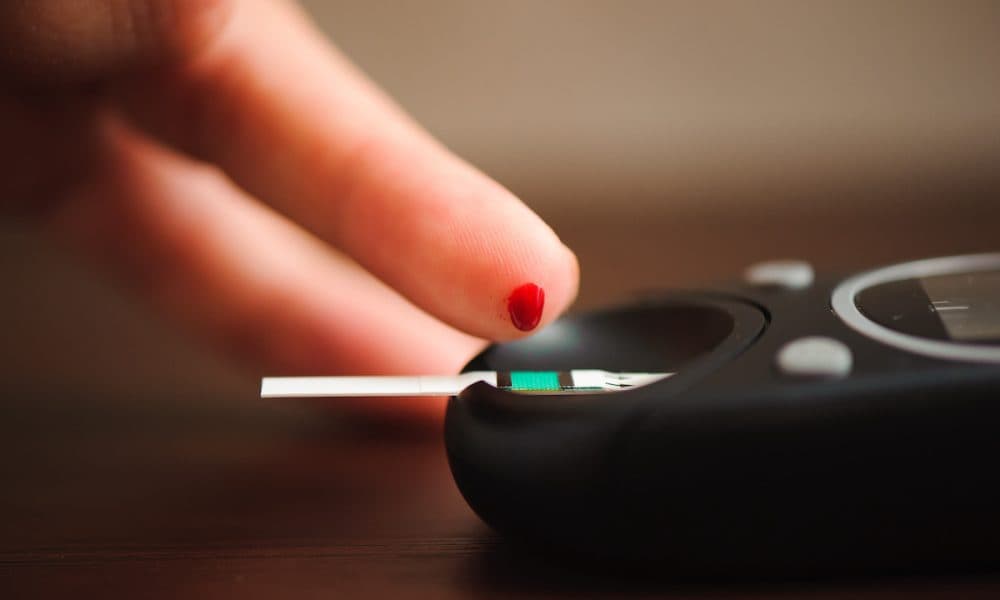
Results from a study led by City of Hope researchers could help with early detection and prevention of kidney disease in patients with type 1 diabetes. In a paper published in Science Translational Medicine, researchers from City of Hope®, one of the largest cancer research and treatment organisations in the US, and a leading research centre [...]

A new imaging software that has been developed has been found to improved lung diagnosis for 30% of patients who can't tolerate contrast dye. Many patients are allergic to medical contrast dye, or unable to use this dye because of other medical condition. This means getting a diagnoses for life-threatening lung issues such as pulmonary [...]
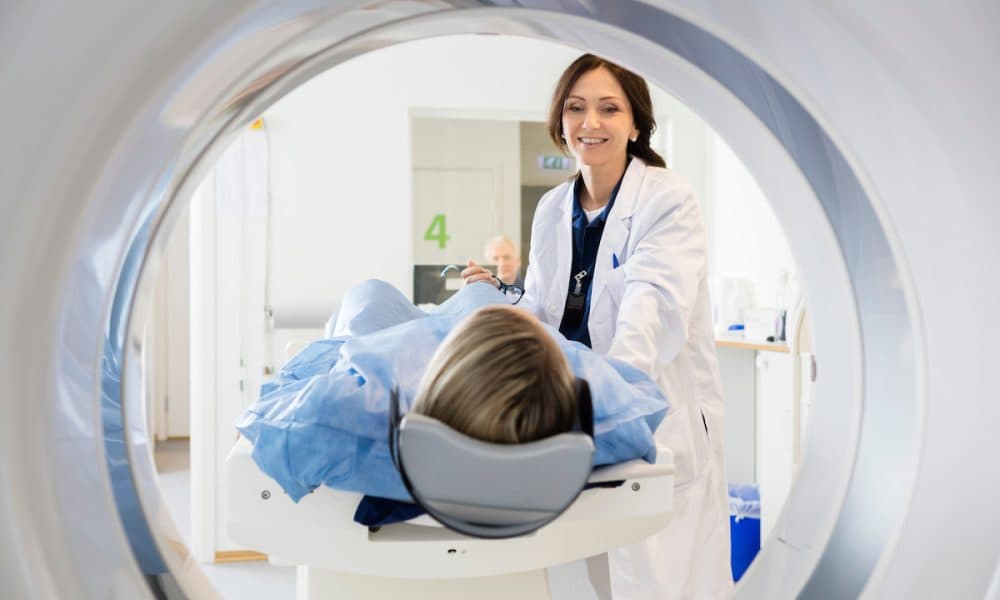
Machine learning enables cheaper and safer low-power magnetic resonance imaging (MRI) without sacrificing accuracy, according to a new study. According to the authors, the new advances pave the way for affordable, patient-centric, and deep learning-powered ultra-low-field (ULF) MRI scanners, addressing unmet clinical needs in diverse healthcare settings worldwide. Magnetic Resonance Imaging (MRI) has revolutionised healthcare, [...]

Researchers at Imperial College London's Department of Bioengineering and Faculty of Medicine and from University College London (UCL) have used a new imaging technique that has produced sub-millimetre resolution images of microscopic heart vessels for the first time. The researchers say that the non-invasive new imaging technique, tested on four human patients, could improve the [...]

The first test designed to help diagnose Long COVID is due to launch in the UK and EU, as a result of a collaboration between health tech companies, PeploBio and IncellDX. Long COVID, a condition characterised by persistent symptoms following a COVID-19 infection, continues to present a significant challenge for both patients and healthcare providers. [...]
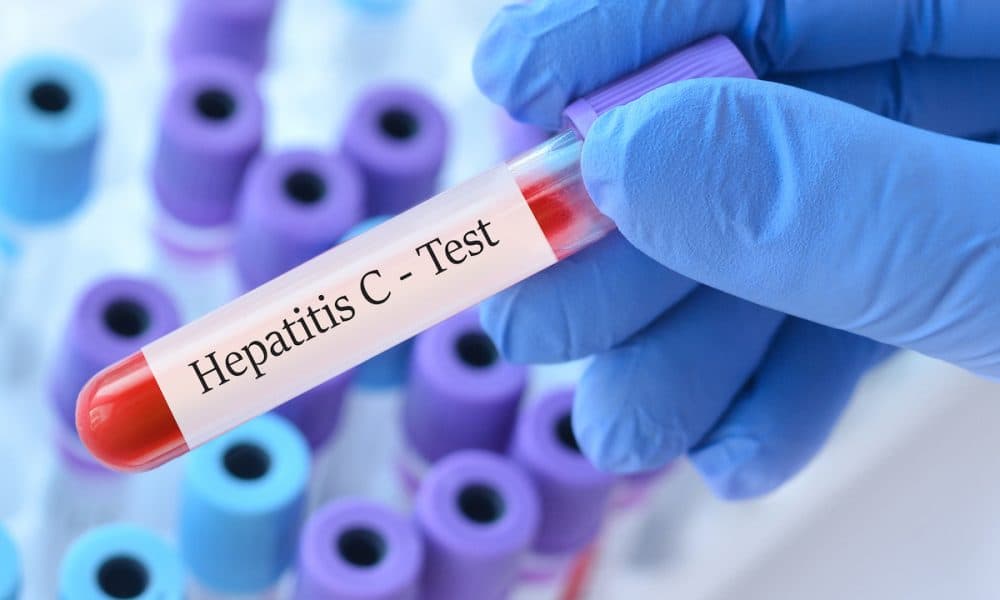
Thousands of people unknowingly living with hepatitis C could have the infection identified, diagnosed and cured thanks to major NHS investment in rapid testing technology. New liver scanning and portable testing units will be deployed in a range of communities where patients are at high risk of contracting the infection. This includes on community clinical [...]

Researchers have developed a novel technique that captures disease markers, and which could transform the future of early diagnosis of diseases. Extracellular vesicles (EVs) have emerged as promising biomarkers for non-invasive disease diagnostics. However, the challenge has been the efficient and pure isolation of EVs from biological fluids, as current methods yield variable results. Researchers [...]

Pulse oximeters send light through a clip attached to a finger to measure oxygen levels in the blood noninvasively. However, the technology has a major flaw - it may provide inaccurate readings in individuals with more melanin pigment in their skin. The technology has been used for decades and was heavily used during the COVID-19 [...]