


Diagnostics
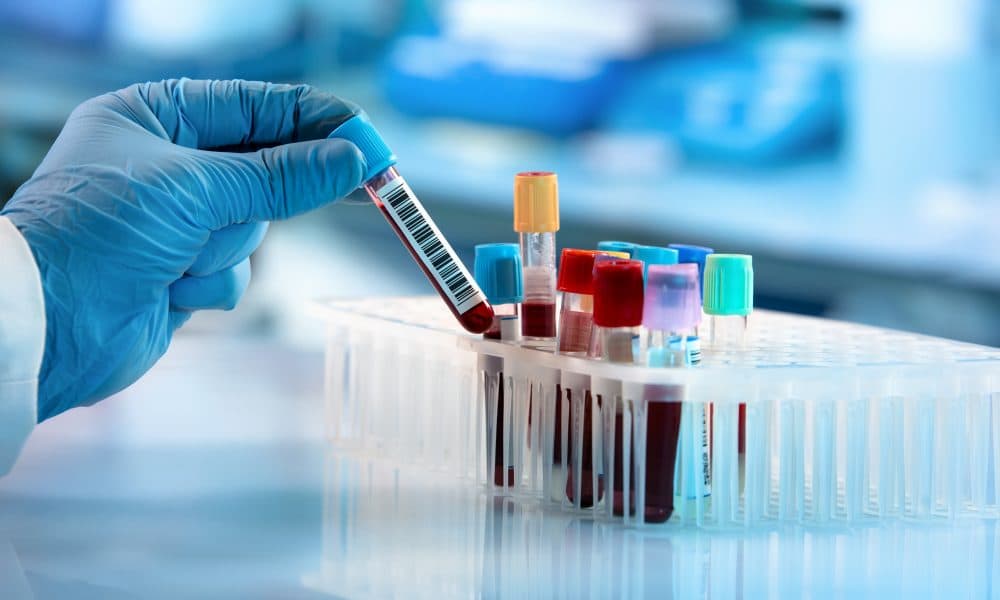
A new type of blood test using lipids could make it easier to identify children at risk of complications around obesity including type two diabetes, liver and heart disease, say scientists. A new study from King’s College London published in Nature Medicine reveals a new relationship between lipids and diseases impacting metabolism in children, which [...]

A new study reveals that patients living with certain long-term health conditions may face delays in being diagnosed with lung cancer. This is particularly concerning as lung cancer remains the leading cause of cancer-related deaths in the UK for both men and women, with high mortality rates largely due to late-stage diagnosis. The research highlights [...]

Researchers have developed a novel, automated device capable of diagnosing glioblastoma, a fast-growing and incurable brain cancer, in less than an hour. The crux of the diagnostic is a biochip that uses electrokinetic technology to detect biomarkers, or active Epidermal Growth Factor Receptors (EGFRs), which are overexpressed in certain cancers such as glioblastoma and found [...]

A new report commissioned by NHS England (NHSE): Evaluating Pathways for AI Dermatology in Skin Cancer Detection states Skin Analytics' Artificial Intelligence as a Medical Device (AIaMD), DERM, can be used autonomously in the NHS. The report showed Skin Analytics AIaMD demonstrated excellent performance with a Negative Predictive Value (NPV) of 99.8 per cent, compared [...]

Individuals with type 2 diabetes who are at higher risk of certain cancers could be identified by a simple blood test. People with type 2 diabetes are known to be at higher risk of developing cancers associated with obesity (OR cancers), including breast, kidney, womb, thyroid and ovarian cancer, as well as gastrointestinal cancers. It [...]

In a breakthrough study, a team of researchers has developed a computer algorithm that can predict different diseases by analysing the colour of a tongue with 98 per cent accuracy. The imaging system can diagnose diabetes, stroke, anaemia, asthma, liver and gallbladder conditions, COVID-19, along with a range of vascular and gastrointestinal issues. The engineering [...]
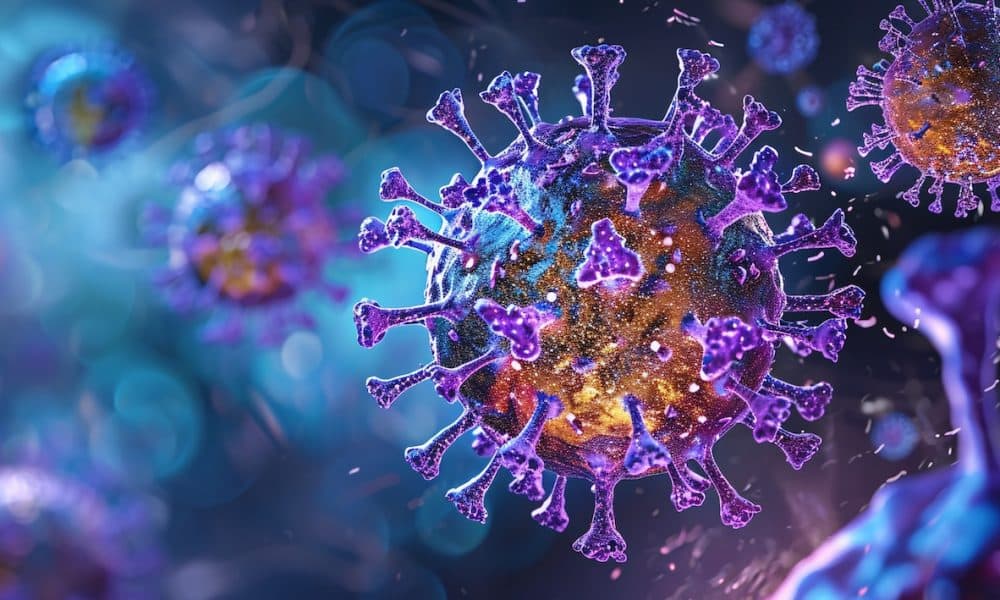
The Covid-19 pandemic highlighted the importance of pandemic preparation. Now, a new study has identified 70 virus lineages that could provide clues as to which virus might become ‘Disease X’ - an unidentified pathogen that could cause the next global pandemic. RNA viruses cause diseases such as the common cold, Covid-19 and measles, and have [...]
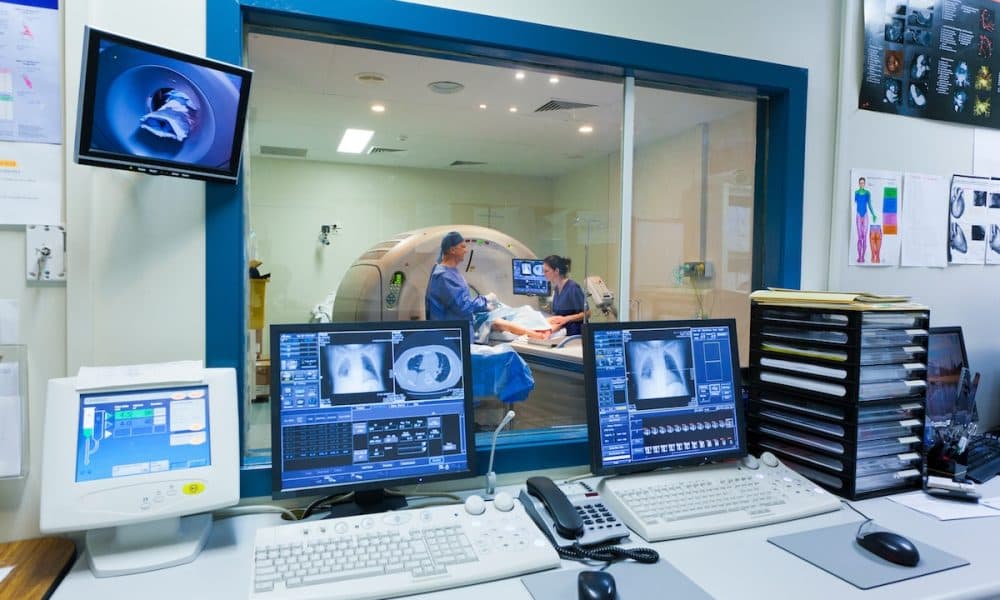
Amid growing concerns, and optimism, about AI’s use in diagnostics, a new AI and radiology focused quality assurance programme has been launched in the US. The American College of Radiology (ACR) has launched the first national AI quality assurance programme for radiology facilities. The ACR Recognized Center for Healthcare-AI aims outline the expert, consensus-based “building [...]

A new study has identified AI as a potentially powerful tool in cancer diagnosis - harnessing machine and deep learning to track early changes in the body. Cancer remains one of the most challenging human diseases, with over 19 million cases and 10 million deaths annually. The evolutionary nature of cancer makes it difficult to [...]

A new smartphone face-screening tool could help paramedics to identify stroke in seconds – much sooner and more accurately than is possible with current technologies. Strokes, which affect millions of people globally, occur when the blood supply to part of the brain is interrupted or reduced, which prevent brain tissue from getting oxygen and nutrients. [...]