


AI
A new AI method has been developed to improve care for patients with type 2 diabetes mellitus who need complex treatment. One in 10 adults worldwide have been diagnosed with type 2 diabetes, but a smaller number require multiple medications to control blood glucose levels and avoid serious complications, such as loss of vision and [...]
Big Pharma heavyweights Roche and Bristol Myers Squibb (BMS) are joining forces in two clinical trials to finesse digital pathway algorithms. Data from both trials will be used in cancer diagnosis and to boost personalised healthcare treatment options. Under the pact, Roche Digital Pathology is creating an AI-based image analysis algorithm to help pathologists interpret [...]
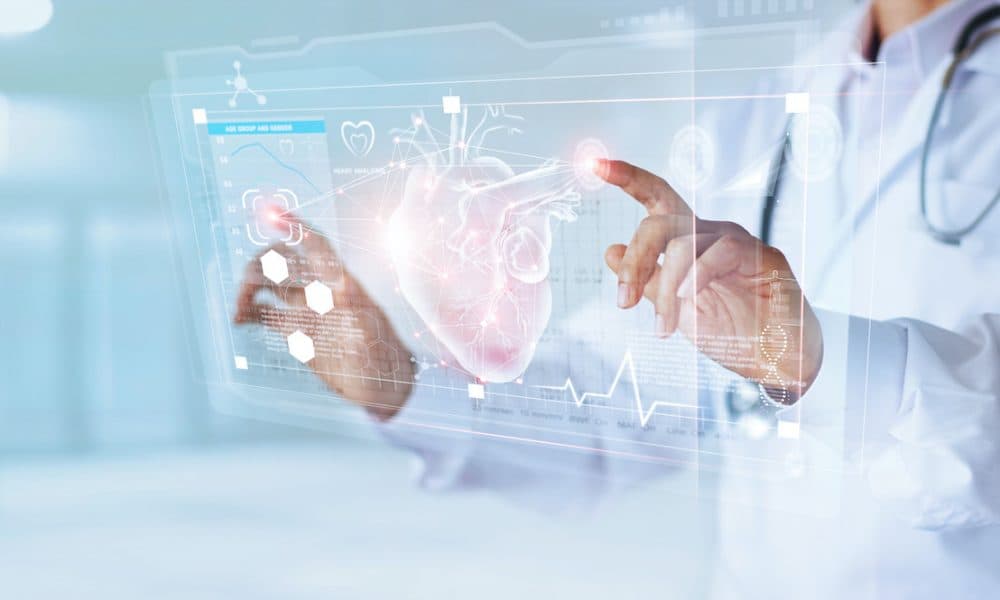
An AI-enabled tool that can predict when heart attacks will strike has been devised by researchers at Cedars-Sinai Medical Center, Los Angeles. In tests, the tool accurately indicated which patients would experience a heart attack in five years, based on the amount and composition of plaque in arteries that supply blood to the heart. The [...]

The life sciences sector’s failure to adequately provide ‘connected health’ products and services to patients will prove a boon to Big Tech, according to a new report. Capgemini’s research reveals that, despite high ambitions, only a few life sciences organisations have the digital, technical and collaborative abilities to realise the potential of connected health. And less [...]
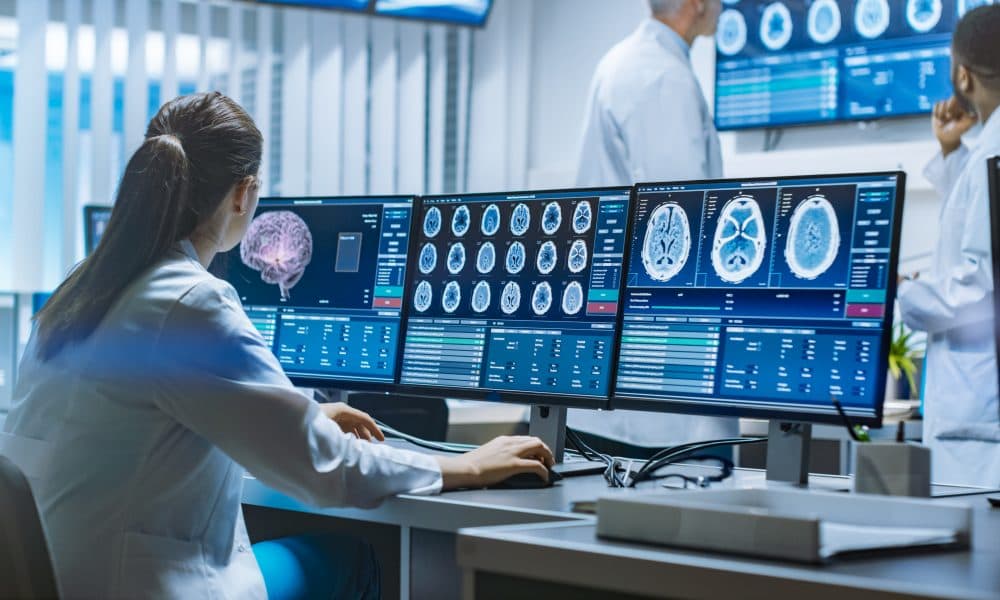
Neuroscience research has received a bounty over the past decade thanks to multidisciplinary collaboration and the dividends of digitalisation, say leading scientists in the field. Fifteen experts at the European Human Brain Project (HBP) claim the group is the first that 'systematically connects brain research, medicine and information technologies'. The HBP has brought together communities [...]
A US study has underlined the potential of AI in preventing organ rejection in heart transplant patients. Heart transplantation can be a lifesaving operation for patients with end-stage heart failure. However, many patients experience organ transplant rejection, in which the immune system begins attacking the transplanted organ. But detecting transplant rejection is challenging — in [...]

Scientists have developed an AI-enabled diagnostic assistant that can help identify suspected leprosy lesions. The tool, called AI4Leprosy, works by assessing skin lesion images in combination with patient symptoms. A paper published in the Lancet Regional Health – Americas shows the tech is over 90 per cent accurate in detecting leprosy. According to the authors, the publication provides [...]

Incidental findings overlooked in medical imaging procedures harm millions of patients and cost untold legal fees and damages, claims a recent study. Northwestern Medicine in the US found that nationally health systems spend an estimated $43 million each year on lawsuits for missed follow-ups on lung findings alone. Delayed and missed referrals on incidental diagnostic [...]
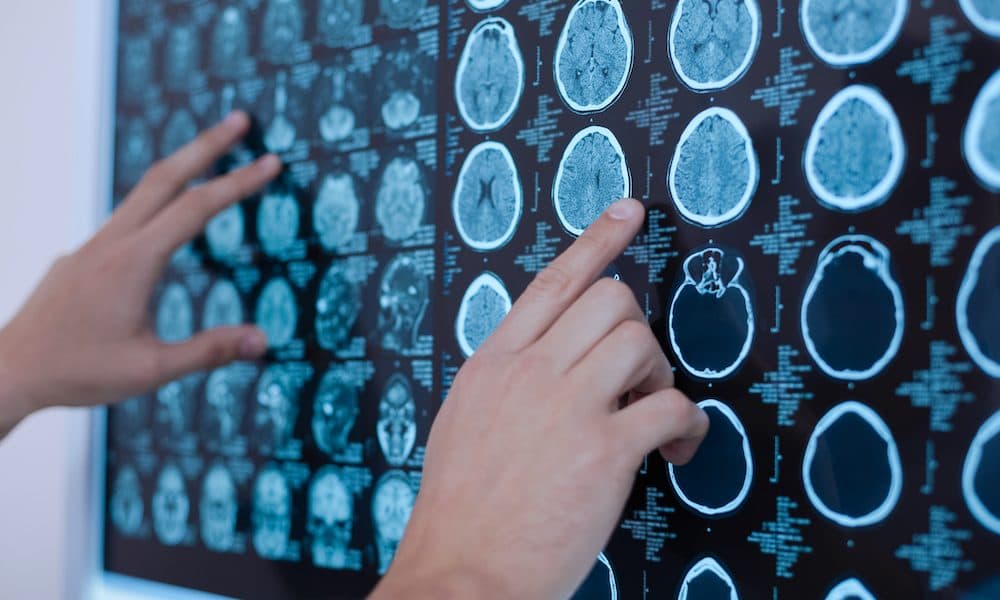
Spanish biotech KeyZell is aiming for €5m in funding to conduct a human clinical trial for its novel brain cancer treatment. Based on company founder Dr.Nabil Hajji's research on cellular apoptosis induced by cell receptor blockage, the start-up will also use the investment to improve its AI system to personalise treatment for each cancer patient. Collaborating [...]

NexStem, a startup which creates non-invasive robotics controlled by the user’s thoughts, has announced the general availability of its new headset and software products; which it says address a critical next step in inserting the human into the metaverse. The firm says it has "cracked the code on improving the quality of the electroencephalography (EEG) signals harnessed" by brain-computer interfaces (BC). [...]