


AI

A new study used machine learning to analyse temperament data on 4,438 babies in an attempt to classify the infants by gender and age. The results indicate it is far easier for computer algorithms to determine the age of a baby than it is for them to decipher a baby’s gender based off temperament data during [...]
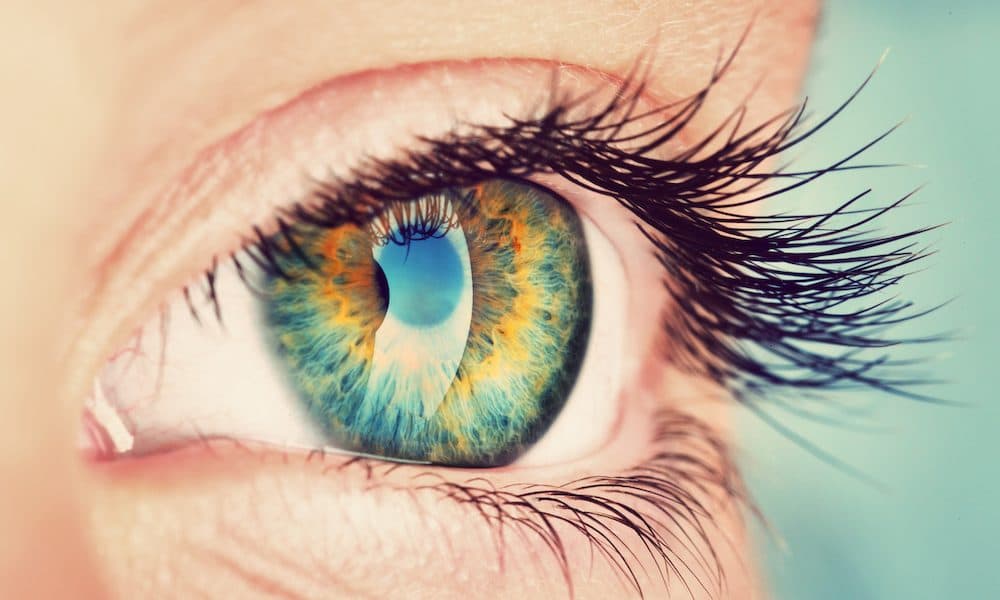
Researchers have identified distinct differences among the cells within a tissue in the retina that is vital to human visual perception. The scientists from the National Eye Institute (NEI) discovered five subpopulations of retinal pigment epithelium (RPE) - a layer of tissue that nourishes and supports the retina’s light-sensing photoreceptors. Using artificial intelligence, the researchers [...]

All debates over contentious issues need their ‘resident’ sceptic. They help to leaven the overinflated assumptions and puncture the hysterical hype pedalled by proponents of the ‘Next Big Thing’. When it comes to the impact of AI and big data on global healthcare, one of the most sceptical is John Taysom, NED & Co-Founder, Privitar, [...]

An artificial intelligence-enabled electrocardiography (ECG) algorithm can predict atrial fibrillation up to 10 years before clinical diagnosis, according to a study conducted by Mayo Clinic researchers. Atrial fibrillation, the most common cardiac rhythm abnormality, has been linked to one-third of ischemic strokes, the most common type of stroke. But atrial fibrillation is under-diagnosed, partly because [...]

A team of scientists are working to develop a low cost, minimally invasive, wireless LED device that could offer precise, safe treatment for colorectal cancer. Excluding skin cancers, colorectal cancer is the third most common cancer worldwide, according to the American Cancer Society. This year, an estimated 151,030 adults in the United States will be [...]

A new way of using artificial intelligence to predict cancer from patient data without putting personal information at risk has been developed. Artificial intelligence (AI) can analyse large amounts of data, such as images or trial results, and can identify patterns often undetectable by humans, making it highly valuable in speeding up disease detection, diagnosis [...]
AI and big data are transforming healthcare at a rapid pace, enabling earlier diagnosis and new treatment options. In a recent Health Tech World roundtable, experts from around the world came together to discuss these innovations and the barriers to wider adoption. Watch the debate in full below: https://www.youtube.com/embed/he4qooPVTks

Diagnostics service provider Unilabs has signed an agreement with AI company Mindpeak in a deal set to improve outcomes for breast cancer patients. Mindpeak’s AI will speed up Unilabs' breast cancer screening and make it more accurate. The deployment is already underway at Unilabs St Göran’s lab in Stockholm and the technology will be progressively [...]

By Piotr Orzechowski, CEO and founder of Infermedica.

A “plug and play” method of identifying and quantifying breast cancer cells via AI will soon be available to thousands of pathologists in India and the US. BreastIHC is an artificial intelligence-based diagnostic software that can detect, quantify and classify breast cancer cells on digital images of tissue samples using a standard computer. It was [...]