
Self-test kits sold in shops lack accuracy, study finds
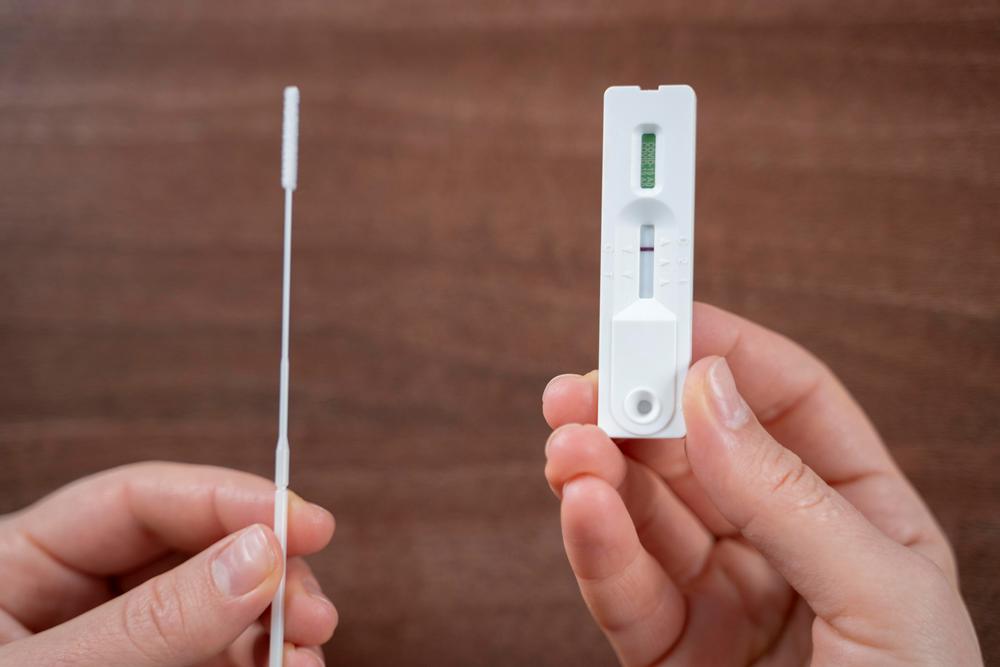
Many off-the-shelf self-test kits claim to detect conditions but offer little or no evidence to support their accuracy, researchers have found.
Researchers from the University of Birmingham purchased 30 self-test kits in 2023 from UK supermarkets, pharmacies and health shops.
The kits included tests for bowel cancer, blood cholesterol, menopause and vitamin deficiency — conditions where early detection could be valuable as NHS services remain under pressure.
Twenty-four of the kits made accuracy claims, with 14 stating they were 98 per cent accurate. However, the study found little accessible evidence to support these figures.
Professor Jon Deeks, corresponding author, said: “Our findings highlight concerns about the value of these self-tests because the instructions for use for many of them recommended seeing a doctor regardless of the test result (positive or negative).”
Eighteen of the kits (60 per cent) had issues that could lead to inaccurate results.
These included 11 with faulty equipment, 10 with problems in the sampling process and 15 with unclear instructions or interpretation guidance.
In cases where some accuracy information was provided, about a third of the tests had been compared against other similar kits rather than validated clinical diagnostics.
Most did not specify which populations had been tested to produce the accuracy data.
Dr Clare Davenport, co-author, said: “The benefit of many tests is lacking.
“This is in contrast to well-established self-tests, such as pregnancy tests.
“We are worried that consumers concerned about their health and tempted by the convenience of buying a test over the counter may be harmed if they use these tests in the wrong way.”
False positives could lead to anxiety, unnecessary investigations and overtreatment, while false negatives may delay essential treatment.
Unlike medicines, these tests are not subject to the same rigorous regulatory standards before reaching consumers.
Professor Kevin McConway, emeritus professor of applied statistics at The Open University, said: “I don’t doubt the findings of the researchers, that many of the available tests don’t make it clear who could make good use of them, how accurate the results might be, or what someone should do in the light of their results.”
Jessica Watson from the Centre for Academic Primary Care and Margaret McCartney from the University of St Andrews cautioned against dismissing self-tests entirely.
“History offers cautionary tales: when home pregnancy tests were first introduced, some doctors argued that women could not be trusted to use them. Clearly that is not the case.
“The use of HIV self-tests has been extensively and carefully evaluated, with decades of research, including large randomised controlled trials.”
They noted that these examples involve binary yes/no results and are integrated into healthcare systems, with clear next steps following the result.
The researchers acknowledged that because the tests were purchased two years ago, their findings may not reflect the current national market.