Behavioural app helps children with epilepsy sleep earlier, study finds
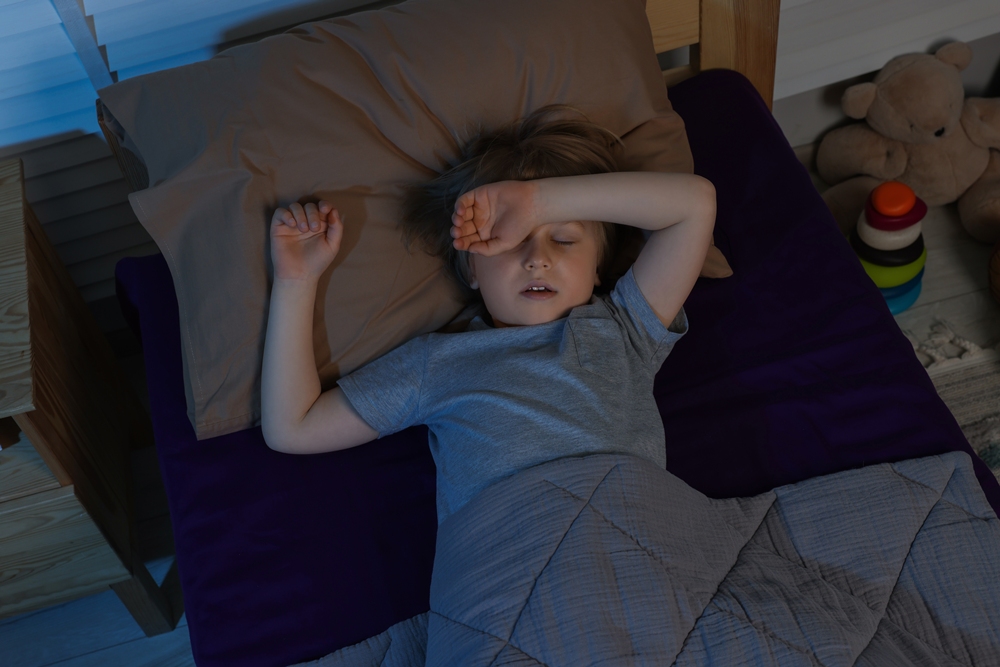
A sleep app helped children with epilepsy fall asleep 16.5 minutes earlier on average, a UK-wide clinical trial found.
The programme, called COSI (CASTLE Online Sleep Intervention), uses videos and written guides based on behavioural sleep techniques for parents, explaining practical routines to improve sleep.
The UK-wide trial ran across 26 outpatient clinics and involved 85 children aged 4 to 12 and their parents.
Professor Deb Pal, professor of paediatric epilepsy at King’s and senior author on the study, said: “Sleep problems affect more than 80 per cent of children with neurodevelopmental disorders including epilepsy.
“Children with epilepsy present a unique set of challenges when managing their sleep and addressing sleep problems including the small risk of death during a seizure.
“Sleep problems in children with epilepsy are one of the top concerns for both children and parents but are often unaddressed in health care interactions.”
Researchers at King’s College London’s Institute of Psychiatry, Psychology & Neuroscience led the study, with collaborators from the universities of Liverpool, Exeter, Bangor, Edge Hill and Oxford Brookes.
Sleep data were collected using smartwatches that measured sleep duration from body movements.
However, parental questionnaires, the main outcome measure, did not show a significant perceived improvement in sleep compared with standard care.
The trial found that 53 per cent of those given access to the web app engaged with the content.
On engagement levels, professor Pal said: “The main issue was engagement. Half of the people who were given access to the resources used them.
“Parents who did engage with the programme reported increased knowledge about child sleep and overwhelmingly said they would recommend the tool to others.”
Following the trial, a Policy Lab involving paediatricians, people with lived experience, and representatives from organisations including the Epilepsy Specialist Nurses Association, British Psychological Society and NHS England was convened to evaluate the results.
The conclusions supported increased support for parents using the app.
Professor Pal said: “Even in the digital world you still need to hold someone’s hand. You need human interaction.
“Some people are very happy to read things off a screen. Some people need to be prompted a bit more and encouraged to explore it.
“Ideally, they would come back in a couple of weeks and be asked, ‘well how did you get on?'”