

Opinion

By Dr Constantin Jabarin, CCIO, Altera Digital Health In acute care, seconds matter. The tools we carry or can’t carry often determine what kind of care we can deliver. And too often, they’re failing us. As a practicing emergency clinician, I don’t work at a desk. I work in motion, across departments, at the patient’s [...]

A computer scientist's view on the problem, by Kevin Monk, CEO, SARD. Our Electronic Health Records are a mess. A caveat I don’t work in EHR. I’m a computer scientist who runs a workforce optimisation consultancy in the NHS. But I live next door to the EHR people and as a concerned neighbour I poke [...]
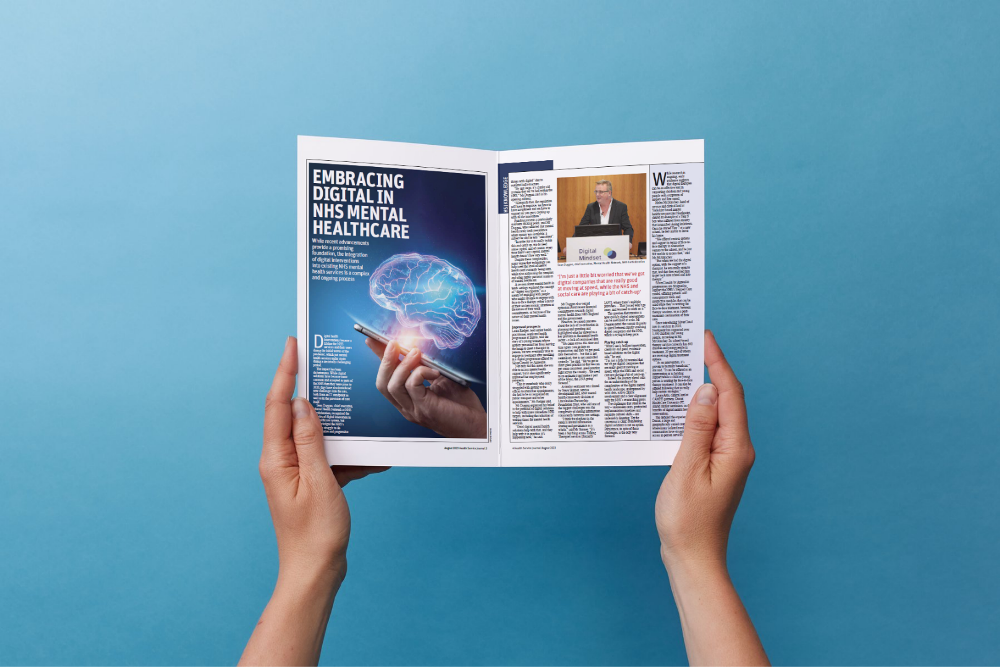
By EatMoreFruit Communications Many health tech and medical device firms spend years refining technology, securing CE marks and FDA approvals, only to stumble at market launch. The missing link? Strategic PR that drives stakeholders from passive awareness to active adoption. The Adoption Funnel in Numbers According to Deloitte’s 2025 Global MedTech Survey, 61 per cent [...]

By Ruby Kuzemko, Healthcare Lead at Cloud Gateway Patient care is dependent on secure and reliable connectivity, which means healthcare networks must be both adaptable and robust. As a result, a shift is underway, and healthcare organisations are moving away from rigid legacy infrastructure toward more flexible, platform-neutral architectures. As healthcare systems expand and patient [...]

By Fiona Garín Mc Donagh, VP Strategic Marketing, BD EMEA What does sustainable healthcare really mean, not just for our planet, but for the people who deliver and receive care every day? Too often, sustainability is viewed only through the lens of environmental impact. While reducing carbon emissions and medical waste is of course critical, [...]

By Dr Shivan Sivakumar PhD FRCP, University of Birmingham I’ve spent much of my career in oncology wrestling with a frustrating reality that while we’ve made remarkable strides in diagnosing cancer, our ability to treat it - especially in the survivorship phase - hasn’t kept pace. We've become very good at finding the specific genetic [...]

By Lucas Najún Dubos, MD MSc & MBA, Healthcare & Life Sciences Partner at Globant Artificial intelligence is starting to transform how surgery is delivered across the NHS. While much of the public debate centres on chatbots or robotic assistance, some of the most impactful advances are happening behind the scenes. In fact, just last year, [...]

By Dr Rahul Goyal, GP and lead clinical executive at Elsevier In today’s healthcare landscape, general practitioners (GPs) are navigating an increasingly complex and demanding environment. Our Clinician of the Future 2025 report revealed the pressure clinicians are under: 69 per cent are seeing more patients and 28 per cent believe they do not have [...]

By Dr Tom Oakley, CEO, Feedback Medical Neighbourhood health might seem like merely the latest buzzword – but it's an important evolution in how we think about, plan and deliver care. As the government rolls out its ambitious 10 Year Health Plan, the focus on neighbourhood health working has become a cornerstone of future policy. [...]
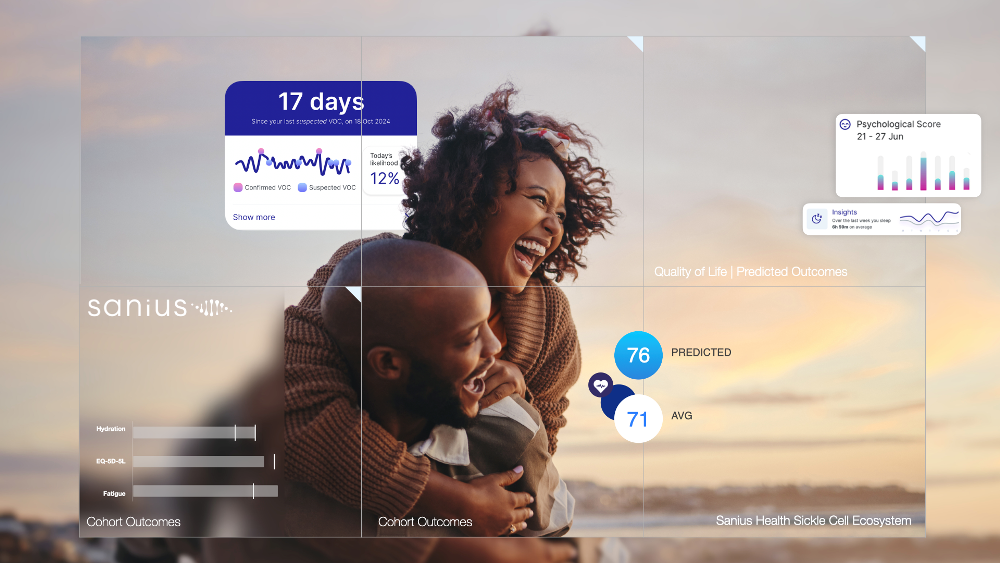
By Sanius Health Over the past five years we have seen an acceleration of new and innovative therapies in Sickle Cell Disease (SCD). Previously, this condition has experienced significant underinvestment, systemic inequity, and a lack of meaningful therapeutic options. This has been due to several reasons; not withstanding the fact that pharma companies have investors [...]