
Mental health
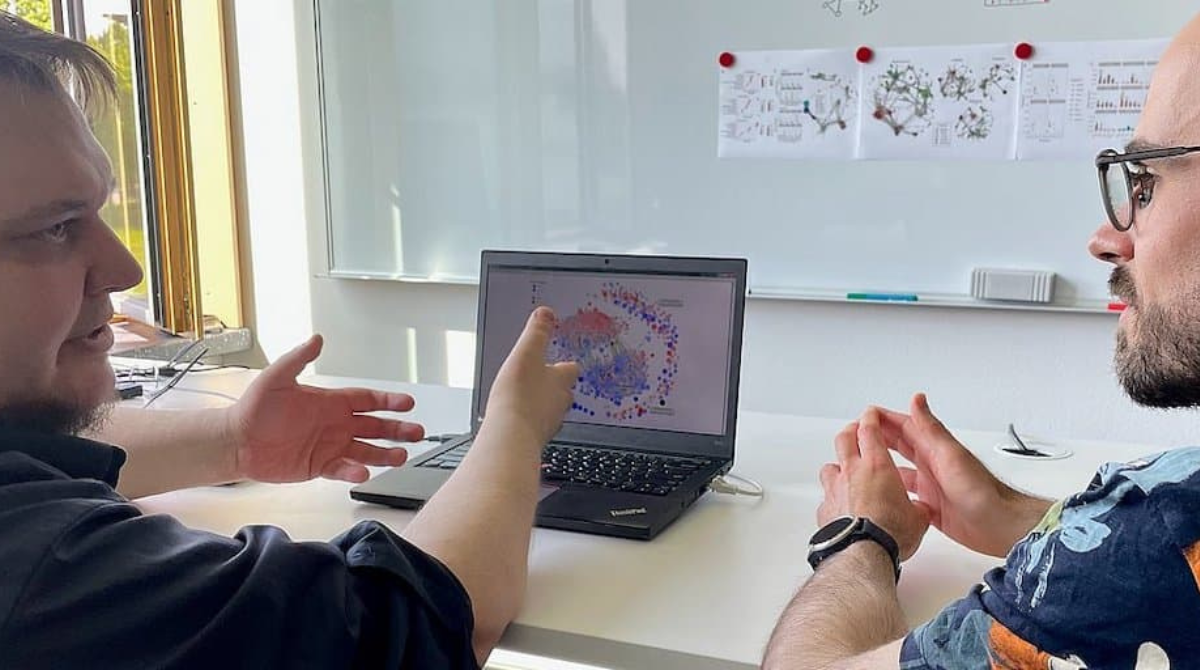
A mobile app can improve the symptoms of one of the common mental health problems in students - even with limited engagement - according to University of Manchester researchers. The app, called Cerina, uses the principles of cognitive behavioural therapy to treat Generalised Anxiety Disorder (GAD) - which affects a significant number of students, studies [...]

X-on Health, one of the UK’s leading providers of digital front door solutions for primary care, has announced a new partnership with Drinkaware, the UK’s leading alcohol charity. The collaboration will see signposting to Drinkaware’s evidence-based resources integrated directly into X-on Health’s AI Surgery Assist chatbot, used by GP surgeries across the whole of the [...]

Artificial intelligence in healthcare could create complex legal challenges over who is responsible when medical failures occur, experts have warned. A new report raises concerns about who is accountable if patients are harmed by AI systems, along with issues such as limited effectiveness testing. The technology is being developed for clinical uses, including scan interpretation [...]

The UK government has announced £50m in funding for mental health research that will place people with lived experience at the centre of developing new treatments. The Mental Health Goals programme aims to speed up the development of new medicines, technologies and therapies for conditions affecting one in four people in England. Poor mental health [...]

North London NHS Foundation Trust has signed a new partnership with leading digital health company Psyomics to revolutionise how people across Barnet, Camden, Enfield, Haringey, Islington access mental health care. The collaboration will see Psyomics’ digital technology rolled out across community services, enabling access to the right support more easily for over 1.6 million residents. [...]

A deep learning model achieved up to 98 per cent accuracy in distinguishing autistic from neurotypical participants. The artificial intelligence system analyses resting-state fMRI scans – brain imaging that tracks blood-oxygen changes – and produces maps showing which brain regions shaped its decisions. Researchers from the University of Plymouth tested the model on data from [...]

The Royal College of Psychiatrists says large trials suggest ketamine-based drugs may ease depression symptoms. Experts have backed the use of ketamine in depression treatment, while stressing that more evidence is needed before other psychedelics can be considered safe. The Royal College of Psychiatrists (RCPsych) issued a position statement highlighting ketamine, saying it is "the [...]
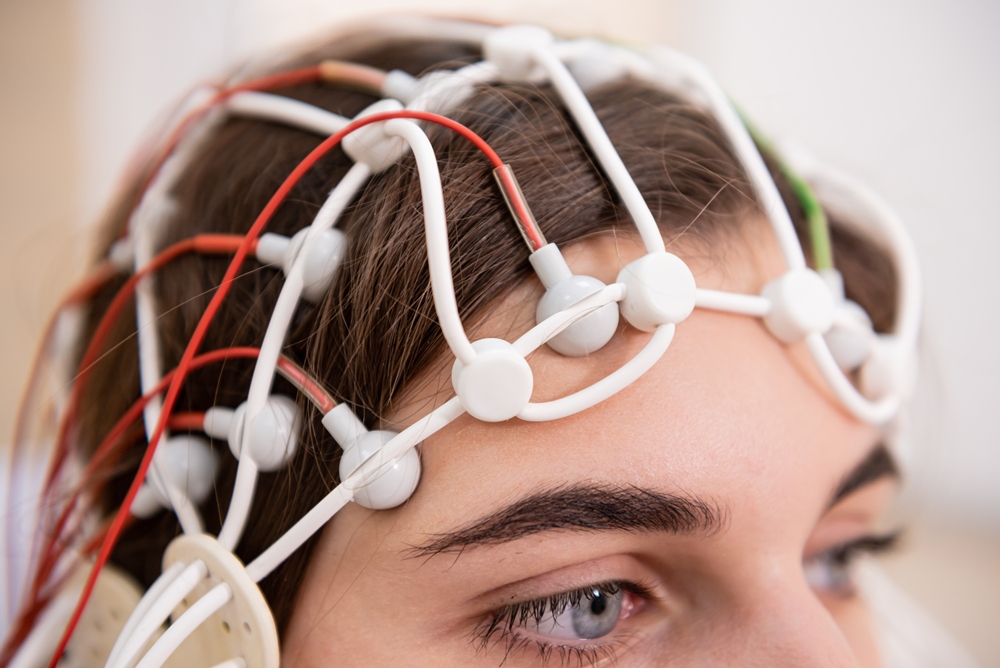
Non-invasive electrical brain stimulation improved mood in depression patients after six days in a recent study, with only mild or no side effects reported. The treatment, called high-definition transcranial direct current stimulation (HD-tDCS), uses electrodes on the scalp to deliver low electrical currents to targeted brain areas. HD-tDCS is a more precise form of transcranial [...]

Chatbot-linked suicides should act as a warning about the risks of creating super-intelligent AI systems, an AI safety expert has said. Nate Soares, co-author with Eliezer Yudkowsky of the book If Anyone Builds It, Everyone Dies, pointed to the case of US teenager Adam Raine as evidence of the dangers in controlling artificial intelligence. Raine [...]

Eight entrepreneurs have been chosen to develop health innovation ventures in Liverpool through Citizen First LCR, a new scheme supporting so-called hidden entrepreneurs. Projects include hospital robots, AI-guided sleep support and a mobile hair salon. The programme is the first time Public Life’s Citizen Incubator model has been brought to Liverpool, as part of the [...]