
Diagnostics

A deep learning model achieved up to 98 per cent accuracy in distinguishing autistic from neurotypical participants. The artificial intelligence system analyses resting-state fMRI scans – brain imaging that tracks blood-oxygen changes – and produces maps showing which brain regions shaped its decisions. Researchers from the University of Plymouth tested the model on data from [...]

Artificial intelligence can forecast people’s risk of more than 1,000 diseases up to 10 years ahead by detecting patterns in medical records, research shows. The system, called Delphi-2M, estimates the likelihood of 1,231 diseases by analysing hospital admissions, GP records and lifestyle factors to project future health outcomes. It uses similar technology to chatbots like [...]
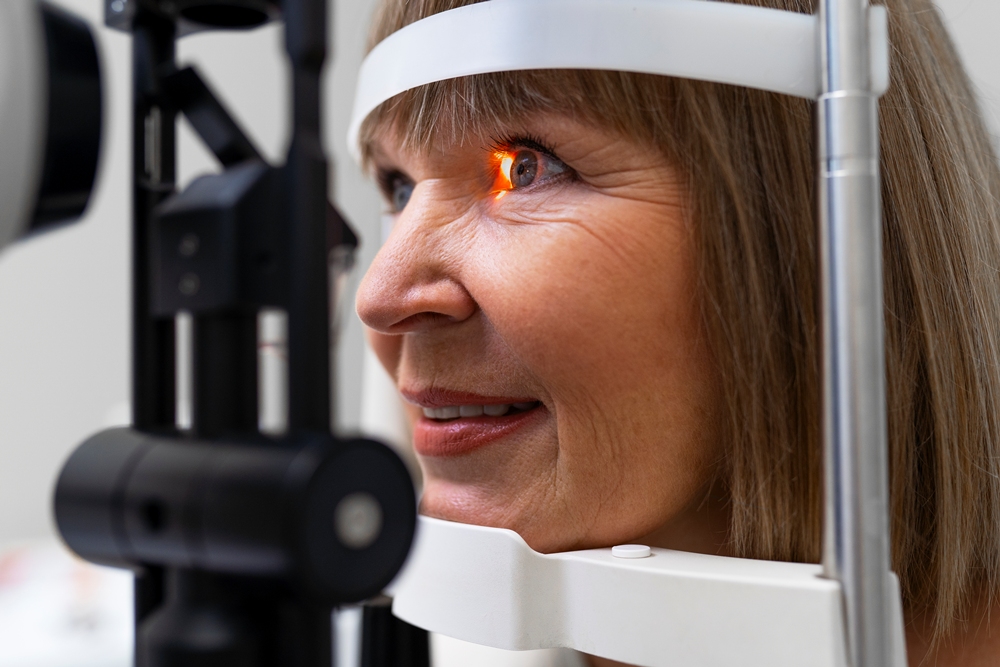
Artificial intelligence can help spot which patients with keratoconus need early treatment, avoiding years of routine monitoring, new research has found. An AI algorithm analysed 36,673 eye scans from 6,684 patients to determine who needed urgent cross-linking treatment and who could be safely monitored. The system placed around two-thirds of patients into a [...]

Researchers have linked self-reported memory decline to blood biomarkers, raising the prospect of simpler Alzheimer’s diagnosis for underserved groups. The study of 5,712 Hispanic and Latino adults aged 50–86 found connections between certain blood proteins and perceived problems with memory and thinking, suggesting a less invasive alternative to current methods. Scientists at the University of [...]

A new urine-based test has identified prostate cancer with 91 per cent accuracy in studies, raising hopes it could reduce the need for invasive biopsies. The test looks for three biomarkers – TTC3, H4C5 and EPCAM – proteins in urine linked to prostate cancer. In validation studies, it detected cancer 91 per cent of the [...]
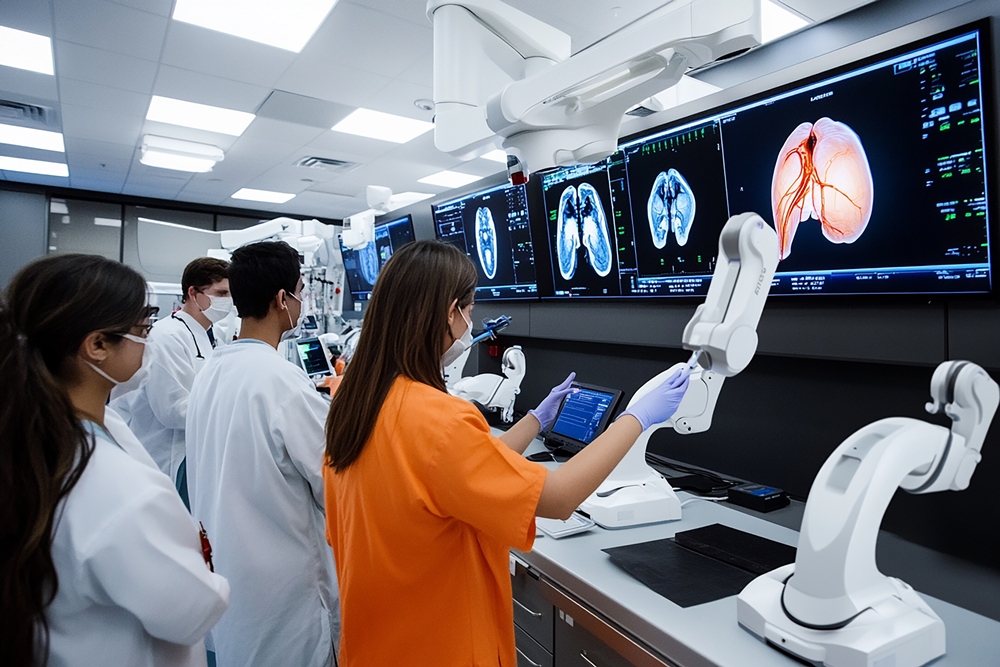
Health Tech World explores the latest research developments in the world of health technology. Mini-camera and AI predicts recurrent heart attack Measurements with a miniature camera inside the coronary arteries can accurately predict whether someone will suffer a recurrent heart attack. Until now, interpreting these images was so complex that only specialized laboratories could perform [...]
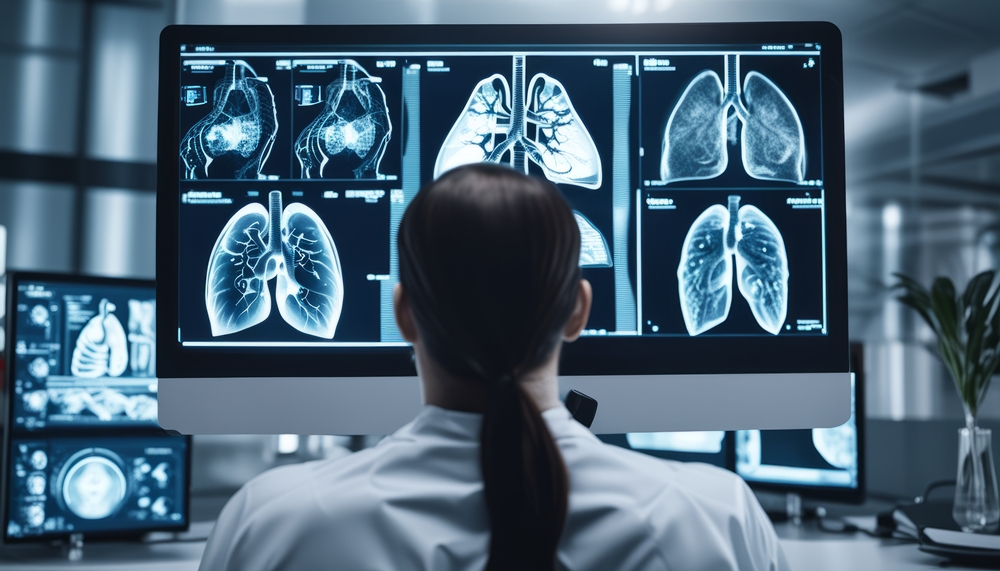
Optellum has announced the world’s first thorax CT foundation model built for precision lung care in real-world settings – an initiative aiming to revolutionise the early detection and management of lung diseases, with an initial focus on lung cancer. Unlike traditional AI systems built to deliver a narrow range of task-specific outcomes, Optellum’s foundation model [...]

NHS trusts in Cumbria and North East England have launched what is claimed to be the world’s first smartphone test for type 2 diabetes, cutting diagnosis time to under 10 minutes. The Diabetes Health Check app shortens diagnosis from months to less than 10 minutes, with a nationwide rollout expected later this year. The government [...]
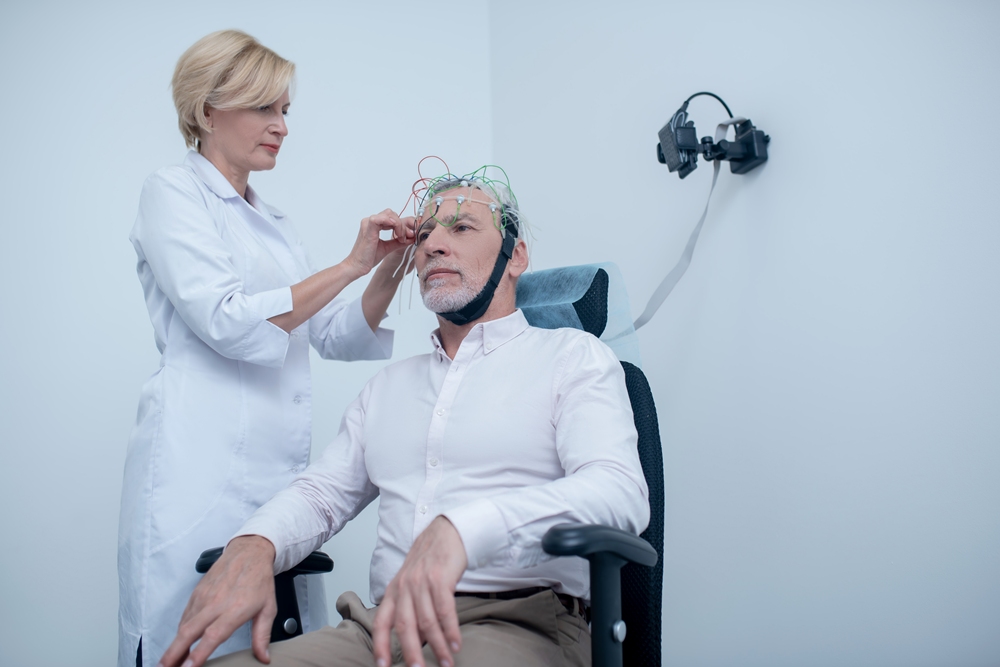
ARC, the global healthcare transformation engine and innovation arm of the Sheba Medical Center, has announced a collaboration with Revealense, creators of a neurological-AI engine for analysing behavioural DNA in video footage. The collaboration establishes a joint venture focused on delivering an advanced neurological diagnostic solution. The joint solution will deliver precise, clinically validated diagnoses [...]

One hundred NHS diagnostic centres in England now provide MRI scans, endoscopies and other tests in the evenings and weekends, the government has said. Thirty-seven more community diagnostic centres (CDCs) now run 12 hours a day, seven days a week compared with July 2024, taking the total with extended hours to 100. The 170 CDCs [...]