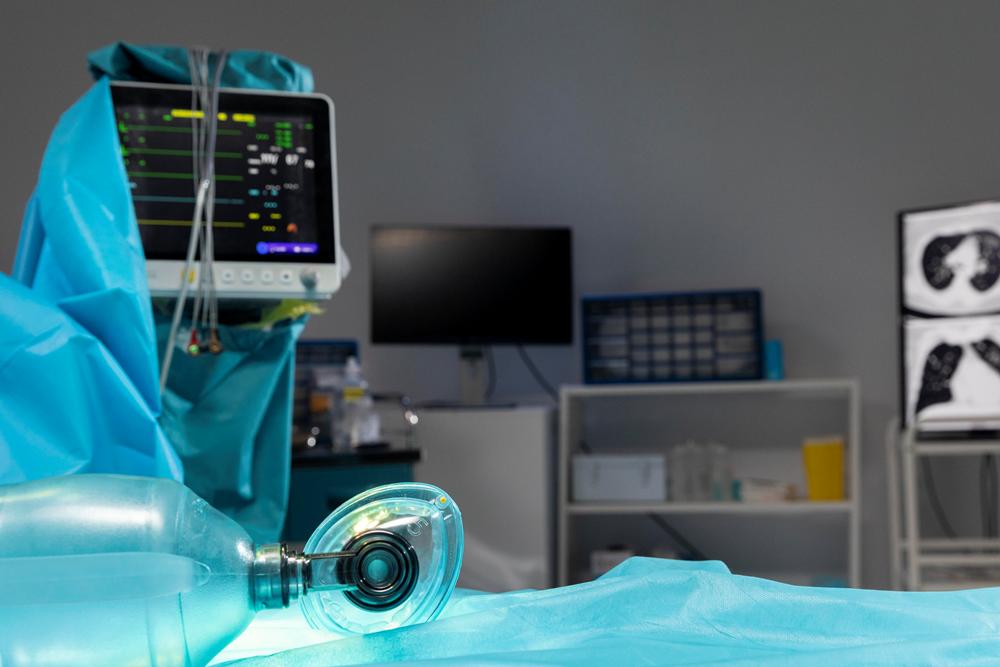



Optellum launches first thorax CT foundation model for precision lung care

Optellum has announced the world’s first thorax CT foundation model built for precision lung care in real-world settings – an initiative aiming to revolutionise the early detection and management of lung diseases, with an initial focus on lung cancer.
Unlike traditional AI systems built to deliver a narrow range of task-specific outcomes, Optellum’s foundation model is trained on large-scale, diverse thorax CT datasets.
This includes clinically validated datasets from the University of Oxford-led DART project research programme, which integrates the world’s largest lung cancer screening CT scan dataset with linked clinical and molecular data.
Optellum’s unparalleled access to data has contributed to the robust development of the foundation model, which enables multiple clinical tasks – from early diagnosis and risk stratification to longitudinal monitoring and clinical trial acceleration.
Johnathan Watkins, PhD, CEO of Optellum, said: “Early detection saves lives.
“Too many patients are still diagnosed late and miss the best chance for curative treatment.
“In the US alone, over 125,000 people will die from lung cancer this year, and over 145,000 will die from chronic lower respiratory diseases – many without ever having been eligible for screening.
“By learning from one of the largest and most diverse thorax CT datasets in the world, and applying cutting-edge AI, we will equip clinicians and researchers with powerful tools to detect disease earlier, better guide precision treatment, and ultimately save more lives.”
While screening programs save lives, they do not reach everyone who develops lung cancer.
Many cancer patients never meet screening criteria, and new trends in lung cancer, such as increasing incidence in non-smokers, never smokers, and in younger adults, are not yet reflected.
Additionally, uptake and adherence to screening protocols remains low (18-20 per cent in the US).
As a result, too many diagnoses still occur at late stages, when survival rates are drastically reduced.
For those who receive a late-stage diagnosis of lung cancer, the five-year survival rate is only 9 per cent, in comparison to when the disease is detected early, and the five-year increases to 64 per cent.
Optellum is focusing on thorax CTs because they capture a complex anatomical area via an essential imaging modality available at hospitals worldwide.
Thorax CTs enable detection and diagnosis of many lung diseases including cancer, chronic obstructive pulmonary disease (COPD), interstitial lung disease, and pulmonary fibrosis, and a multi-disease AI model will accelerate clinical care.
Optellum’s existing technologies, Virtual Nodule Clinic and Lung Cancer Prediction AI, are FDA-cleared, CE-marked, and UKCA-marked medical devices with reimbursement in the US.
They are deployed in health systems around the world, identifying patients with incidentally detected lung nodules and providing an AI-powered malignancy risk score that supports more stratification and better clinical decision-making.
With this foundation model, Optellum aims to expand its impact far beyond lung nodule management and risk prediction, accelerating discovery and delivering intelligent, scalable solutions for multiple thoracic diseases.