Biotech

Biotech firm SpliceBio, which is exploiting protein splicing to develop the next generation of gene therapies, has completed a £42m fundraise. Adeno-associated viruses (AAV) are the gene therapy vector of choice for the treatment of genetic diseases. However, their small packaging capacity is a major challenge for the development of novel gene therapies. SpliceBio's protein [...]

Dxcover, developer of liquid biopsies for the early detection of cancer, has secured US patents for its groundbreaking Dxcover Autosampler and the Dxcover Brain Cancer Liquid Biopsy. The Glasgow-based company has developed an alternative approach to traditional blood sampling liquid biopsy for the early detection of cancer through its testing which uses attenuated total [...]
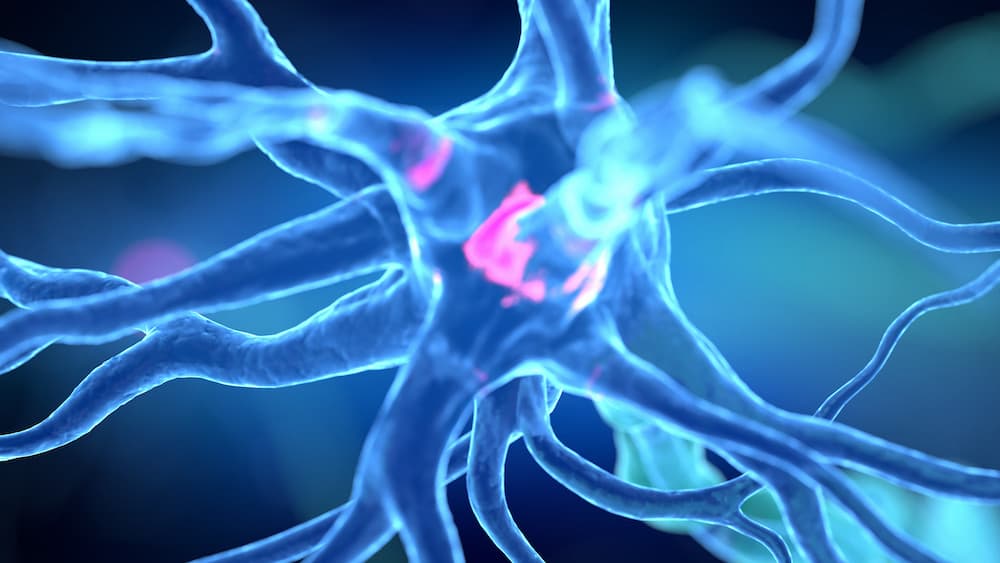
Ovid Therapeutics, a biopharma firm focused on neurological diseases, and Healx, the AI-based drug discovery company, have signed a commercial partnership. Healx has secured from Ovid an exclusive option to license rights to develop and commercialise gaboxadol, which has previously been tested as a monotherapy for Fragile X syndrome; a genetic brain disease which affects roughly [...]

A cloud-based repository that creates a digital fingerprint of engineered microorganisms has been successfully trialled. An international team led by Newcastle University has launched CellRepo, a species and strain database that uses cell barcodes to monitor and track engineered organisms. The database keeps track and organises the digital data produced during cell engineering. It also molecularly [...]

Researchers at the universities of Linköping in Sweden and Okayama in Japan have developed microrobots that can morph into various shapes before hardening. Edwin Jager, associate professor at the Department of Physics, Chemistry and Biology (IFM) at Linköping University said the material is initially soft but later hardens through a bone development process that uses [...]

Amiodarone, an ion channel blocker approved for the treatment of other diseases, could significantly inhibit tumour cell invasion. Researchers at Tufts University have found that manipulating voltage patterns in tumour cells using ion channel blockers, already FDA-approved as treatments for other diseases, can significantly reduce tumour cell invasion in a dish and metastasis in an [...]

A biomaterial that firmly adheres to injured tendons and helps them glide while slowly releasing anti-inflammatory drugs could lead to more effective tendon repairs. A collaborative research team led by David Mooney, founding core faculty member at Harvard’s Wyss Institute for Biologically Inspired Engineering has developed a new biomaterial-based tendon therapy that addresses key challenges [...]
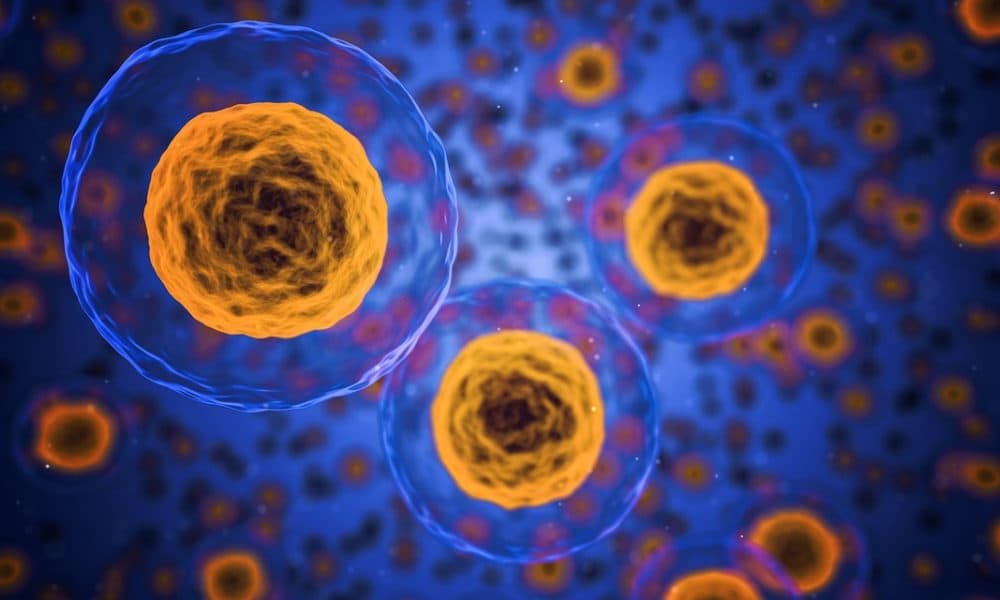
Scientists have developed a new technique to barcode individual cells, which could help pave the way for quicker disease diagnosis. A team of researchers from the Living Systems Institute at the University of Exeter has created a new method, that combines artificial intelligence with microfluidics, that can easily classify, sort and count individual cells. The [...]

Lancaster University and biomedical firm ViraCorp are developing a nasal COVID-19 vaccine that could increase vaccine equity worldwide. Lancaster molecular virologist and chief scientific officer at ViraCorp, Dr Muhammad Munir, said the needless vaccine will be a cost-effective and easily administered alternative to solutions currently on the market. It is hoped the novel delivery system [...]

LED Tailor says its blue-light based Spectral Blue disinfection system kills all unwanted forms of viruses and bacteria inside the Brinter bioprinter, reducing the need for cleanrooms. Bioprinting startup Brinter has announced a partnership with LED Tailor to introduce a new disinfecting blue light feature embedded in its multi-material 3D bioprinting solution Brinter. The system [...]