



Biotech
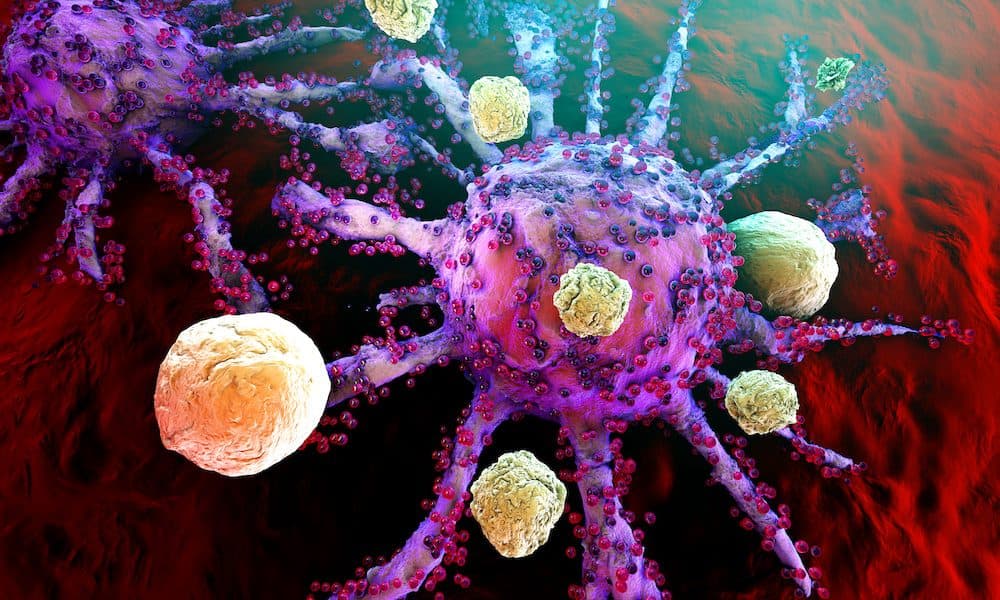
Before a patient can undergo T cell therapy designed to target cancerous tumours, the patient’s entire immune system must be destroyed with chemotherapy or radiation. The toxic side effects are well known, including nausea, extreme fatigue and hair loss. Now a research team has shown that a synthetic IL-9 receptor allows those cancer-fighting T cells [...]
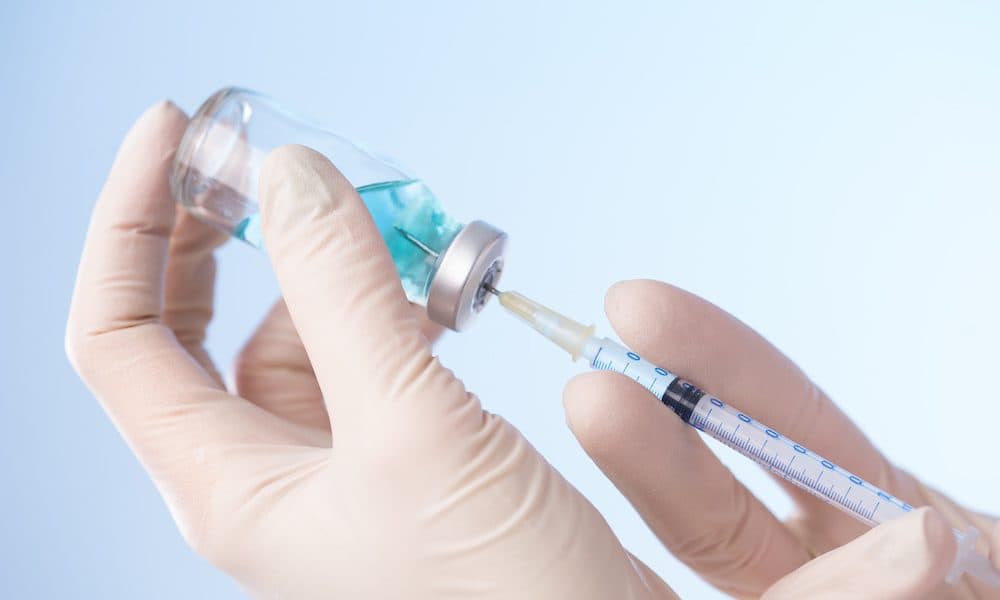
A team of scientists has used nanotechnology to formulate a novel vaccine which shows high efficacy in the treatment of solid tumours. In research the vaccine achieved complete clearance of solid tumours and induced long-lasting immune memory preventing the relapse of growth and providing immunity against similar tumour types. The study was led by Narat Muzayyin, Chair Professor Chen Xiaoyuan [...]

A new tool can quickly and reliably identify the presence of Ebola virus in blood samples, according to a US study. The technology, which uses optical microring resonators, potentially could be developed into a rapid diagnostic test for the deadly Ebola virus disease, which kills up to 89 per cent of infected people. The study, [...]
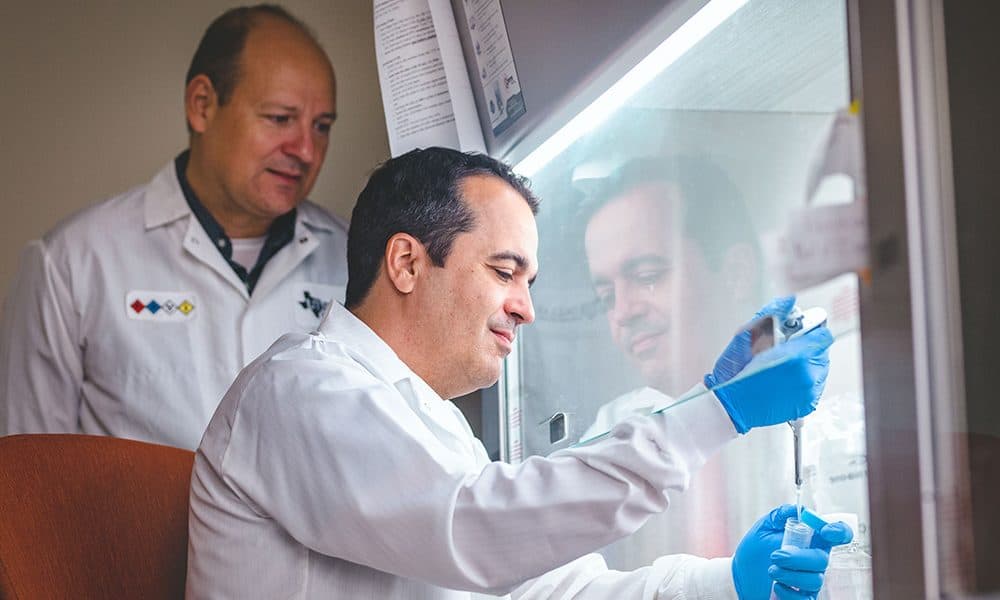
Advances in synthetic biology and genome editing have led to a growing industry to develop customised cell lines for medical research. These engineered cell lines, however, can be vulnerable to misidentification, cross-contamination and illegal replication. A team of University of Texas at Dallas researchers has developed a first-of-its-kind method to create a unique identifier for [...]

A group of scientists in Japan have developed a computational DNA droplet that can recognise specific combinations of chemically synthesised microRNAs (miRNAs) which act as biomarkers of tumours. Using these miRNAs as molecular input, the droplets can give a DNA logic computing output through physical DNA droplet phase separation. The findings of Professor Masahiro Takinoue [...]
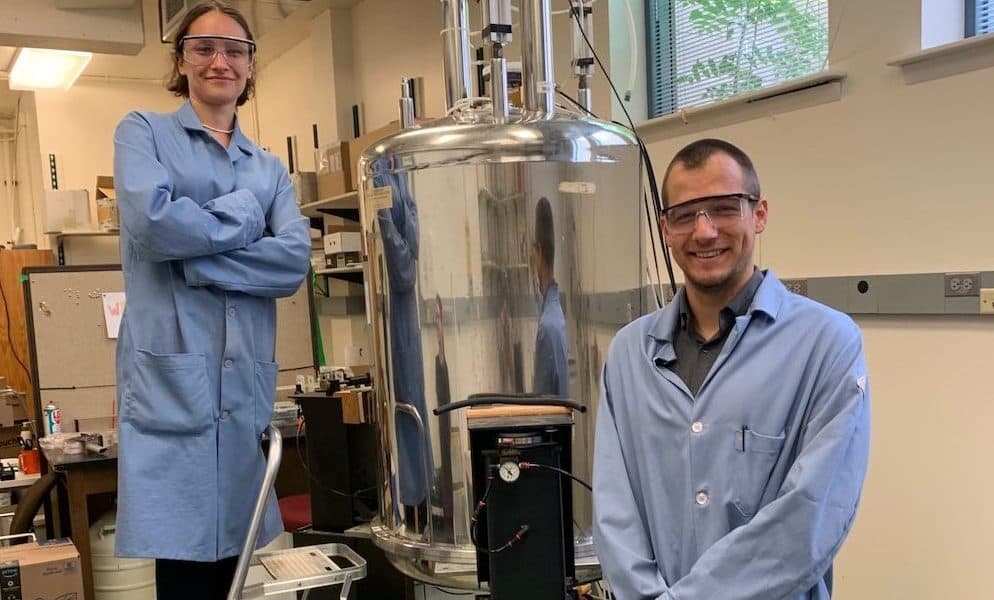
Researchers at Colorado State University have created a cobalt-based molecule to be a noninvasive chemical thermometer. The breakthrough toward their goal of making new magnetic imaging probes with extreme temperature sensitivity was published in the Journal of the American Chemical Society. “Not only does this work show promise in the medicinal field, but the basic steps [...]
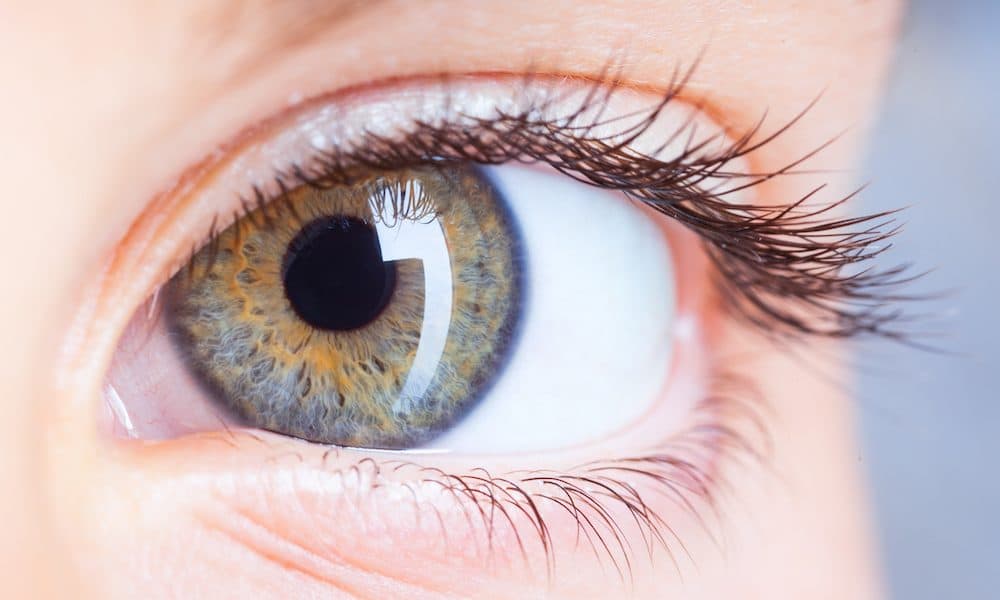
Cell-based therapies have long been thought of as an alternative treatment option for patients with a range of problems caused by organ and tissue failure, like corneal blindness. While great in theory, in practice these therapies show limited clinical success in many applications. This is due to low cell viability after injection, as well as [...]

A person's chance of breaking a bone sometime within the next year is nearly four per cent. If they are unlucky enough to need a bone replacement, it will probably be based on a metal part. Unfortunately, metal parts are sometimes toxic over time, and will not help the original bone regrow. Calcium phosphate ceramics [...]
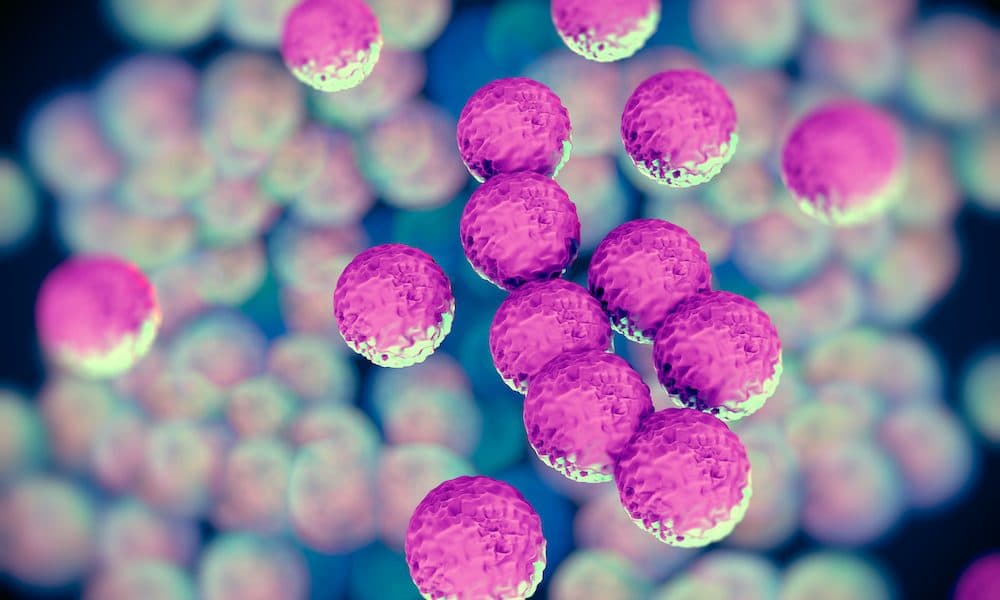
A new antibiotic, synthesised at The Rockefeller University and derived from computer models of bacterial gene products, appears to neutralise even drug-resistant bacteria. The compound, named cilagicin, works well in mice and employs a novel mechanism to attack MRSA, clostridium difficile, and several other deadly pathogens, according to a US study published in Science. The results [...]
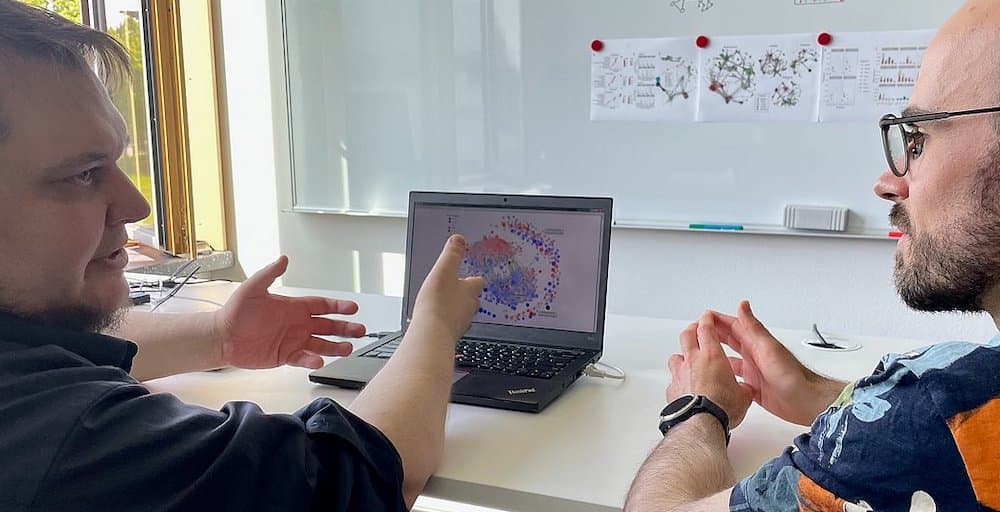
German scientists have developed a new method of using molecular data to extract subtypes of illnesses. In the future, this method will help to support the study of larger patient groups, according to the research team at the Technical University of Munich (TUM). Nowadays doctors define and diagnose most diseases on the basis of symptoms. However, [...]