


Biotech

Scientists have developed an innovative gene switch that could revolutionise diabetes treatment by mimicking the body's natural metabolic regulation. Using nitroglycerine patches to trigger insulin-regulating cells, the breakthrough approach offers a more precise alternative to traditional insulin therapy — paving the way for advanced cell-based treatments for metabolic and other diseases. The body regulates its [...]

A new antibacterial technology is aiming to innovate orthopaedic implants and surgery with its 99.999 per cent kill rate of bacteria most commonly found in operating rooms. Periprosthetic joint infection - a serious infection in replaced joints - is a significant health problem with a high mortality rate and high healthcare costs. Patients who acquire [...]

Researchers have created "roadmap" to the future of biomedicine, highlighting the advent of non-invasive bioelectronic techniques and the potential of biomedicine as a diagnostic tool. The field of bioelectronic medicine, which makes use of electrical signals instead of drugs to diagnose and treat disease, has advanced dramatically in recent years, offering promising opportunities for life-changing [...]

Researchers have developed a soft, bioelectric sensor implant that measures neurological signals in patients’ developing brains. To create the sensor, the team embedded transistors in a soft, conformable material to create a biocompatible implant that monitors neurological functions through successive phases of a patient’s development. In the paper, the scientists describe their construction of complementary, [...]
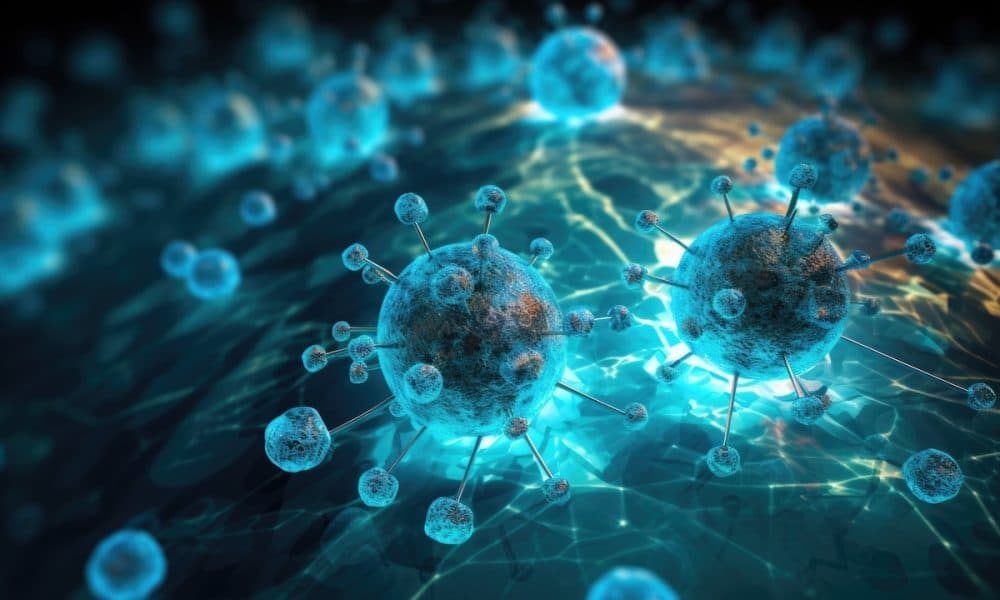
Researchers have used a chemical compound to light up treatment-resistant cancers on imaging scans, in a breakthrough that could help medical professionals better target and treat cancer. The authors say that using the radiotracer – an injected compound used in PET scans – could help inform doctors that a patients aggressive cancer will not respond [...]
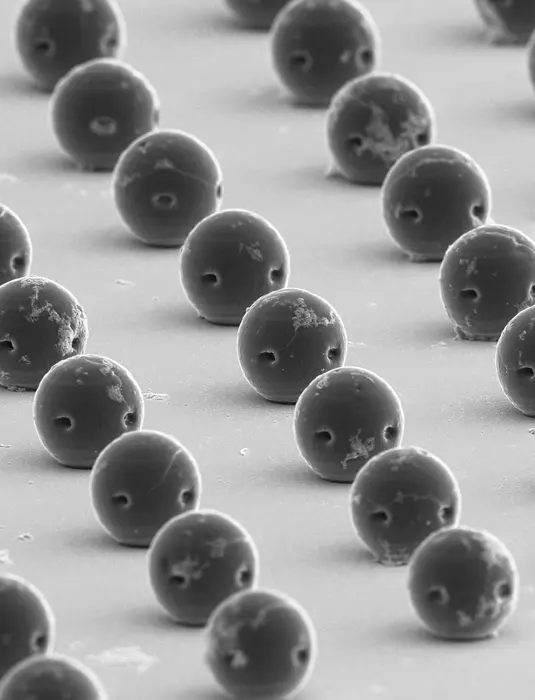
In the future, delivering therapeutic drugs exactly where they are needed within the body could be the task of miniature robots. Not little metal humanoid or even bio-mimicking robots; think instead of tiny bubble-like spheres. Such robots would have a long and challenging list of requirements. For example, they would need to survive in bodily [...]
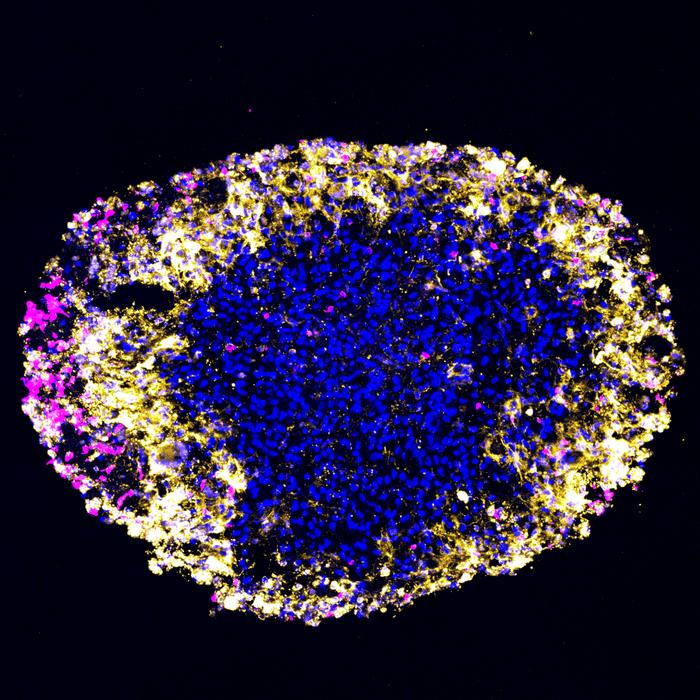
For the first time, researchers have used lab-grown organoids created from tumours of individuals with glioblastoma (GBM) to accurately model a patient’s response to CAR T cell therapy in real time. The organoid’s response to therapy mirrored the response of the actual tumour in the patient’s brain. That is, if the tumour-derived organoid shrunk after [...]
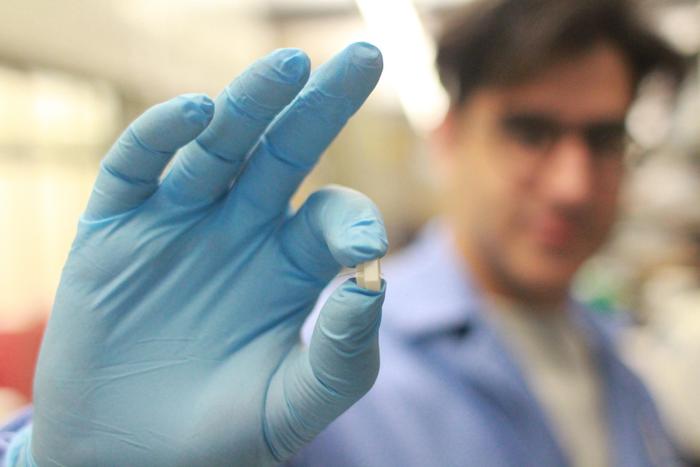
Proteins are the building blocks of life, and changes in protein levels can indicate improving health or impending illness, including signs of inflammation. While protein levels can be measured in periodic blood or urine tests, it has been an uphill challenge to figure out how to continuously monitor protein levels in the human body in [...]
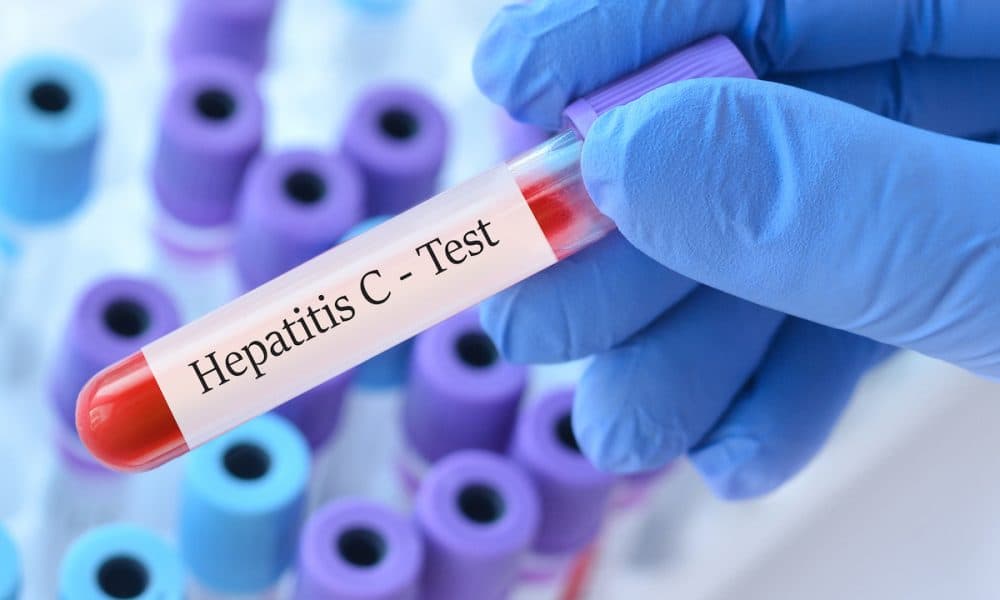
Globally, approximately 58 million people are chronically infected with Hepatitis C (HCV), resulting in 290,000 annual deaths due to complications such as liver cirrhosis and liver cancer. Although modern antiviral treatments achieve high cure rates, the global elimination of HCV remains a difficult goal due to inadequate early detection and limited treatment options. HCV has [...]
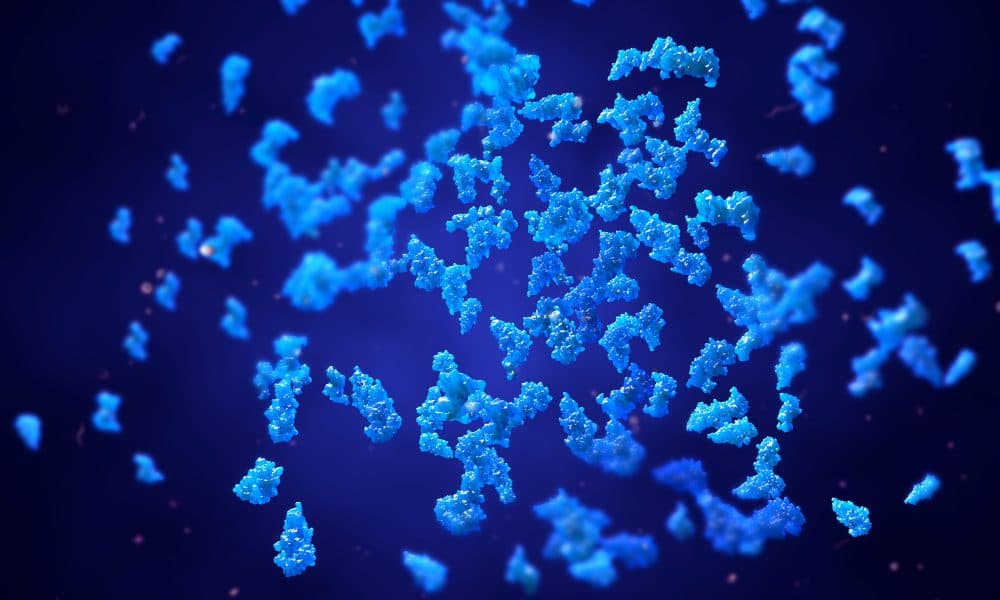
In eukaryotic cells—found in animals, plants, and fungi—protein synthesis involves more than the simple assembly of amino acids in ribosomes. Nearly one-third of all human proteins must be transported to the endoplasmic reticulum (ER) during or shortly after their synthesis. In the ER, these proteins undergo crucial folding and modifications, including the formation of disulfide [...]