

AI

Machine learning can predict the risk of death in patients with suspected or known heart disease a study by the European Society of Cardiology has found. Researchers discovered that a novel artificial intelligence score provides a more accurate forecast of the likelihood of patients with suspected or known coronary artery disease dying within 10 years [...]
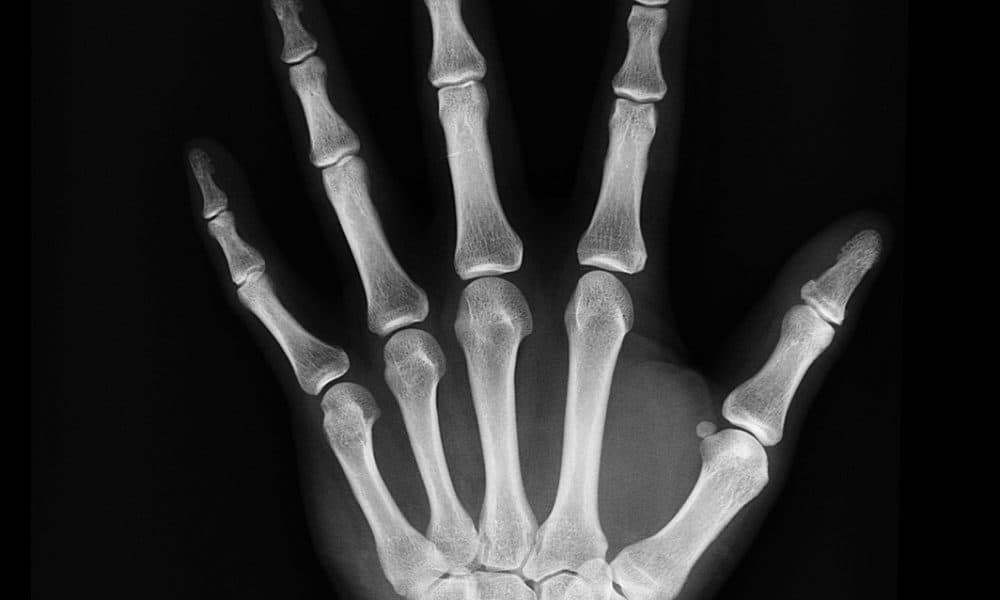
Radiobotics has extended its partnership with US teleradiology practice Virtual Radiologic (vRad), to develop a full suite of software algorithms to enhance the speed and accuracy of bone fracture X-ray studies. Radiobotics develops AI models that can support timely and accurate diagnosis of fracture cases across the skeleton. Bone fractures are a costly public health [...]

Sleep quality can have a big impact on our overall health and wellbeing. But how do we know if the sleep we're getting is good enough? Health Tech World spoke with sleep scientist Gary Garcia-Molina about why it's so important to get a good, and well-monitored, night's sleep. Research by smart bed company Sleep Number [...]

Research labs in Adelaide, South Australia, are using health data to determine how Artificial Intelligence (AI) can be used to identify health issues in high-risk patients. Based at the Royal Adelaide Hospital, SA Pathology has teamed with the Australian Institute for Machine Learning (AIML) and the MIT bigdata Living Lab at Lot Fourteen innovation precinct, as well as the Australian Research Centre for Interactive [...]

NHSX, NHS AI Lab and the Health Foundation have awarded £1.4m to four projects to address racial and ethnic health inequalities using artificial intelligence (AI). The winning projects range from using AI to investigate disparities in maternal health outcomes to developing standards and guidance to ensure that datasets for training and testing AI systems are [...]
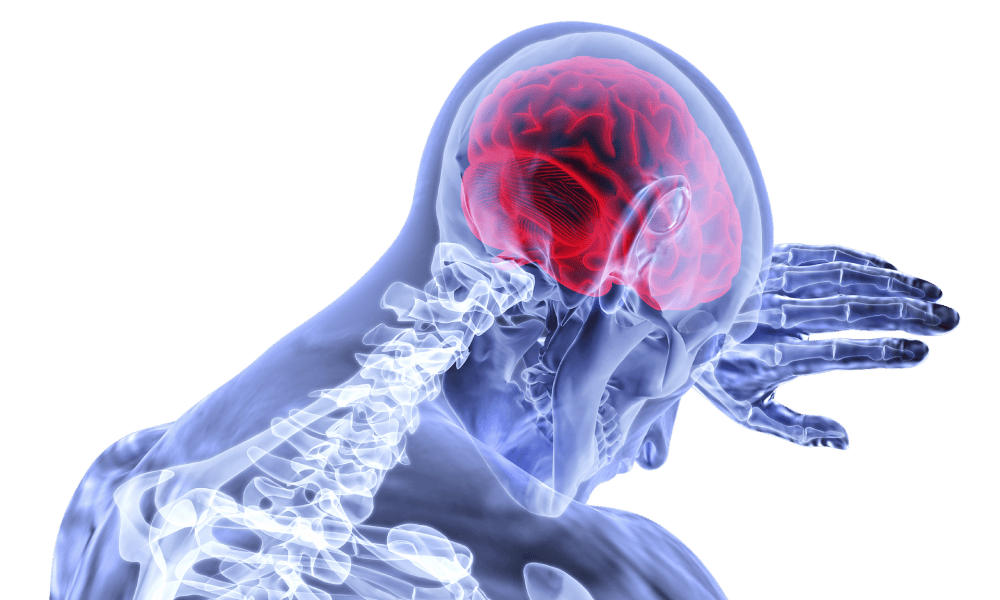
Software powered by artificial intelligence (AI) is helping staff at the UK's Milton Keynes Hospital diagnose and treat stroke patients quickly. The software analyses CT (computerised tomography) scans and automatically flags any signs of possible damage to the brain to doctors. Doctors are also able to instantly review and share the CT scans remotely from [...]

Lucille Valentine and Rose Bunker, from Artificial Intelligence (AI) software developer Gliff.ai, discuss the importance of developing trustworthy healthcare AIs. It is clear that AI will revolutionize healthcare. Effective AI applications are capable of saving medical practitioners and healthcare institutions time and large sums of money and - even more importantly - improving outcomes for [...]

Researchers at King’s College Hospital and Queen Mary University of London have found that a new computer-based algorithm can rank drugs used to treat primary liver cancer, based on their efficacy in reducing cancer cell growth. The algorithm, named Drug Ranking Using Machine Learning (DRUML), was previously designed to identify effective treatments for patients diagnosed [...]
A novel AI product developed by Pangaea Data has been shown to be effective in the pharmaceutical sector, providing clinicians and researchers with valuable clinical narratives. Pangaea’s Intelligence Extractor and Summarisation (PIES) was showcased recently at the Bio-IT World Conference and Expo. A senior principal data scientist from a global pharmaceutical company demonstrated how PIES’s [...]

In October 2019, Google announced that its scientists had achieved quantum supremacy. The tech giant’s quantum computer had carried out a calculation that was beyond the capabilities of classical computing. Google estimated that the same calculation would take the best classical supercomputer 10,000 years to complete. The announcement elevated quantum-powered healthcare from the realms of [...]