


AI

An AI body tool used whole-body MRI scans to predict future health risks, including diabetes, cardiovascular events and death, in more than 66,000 people. The study found that the quality and amount of skeletal muscle, not just visceral fat, the fat stored deep around organs, are strong predictors of diabetes, major cardiovascular events and mortality. [...]

Sanofi is investing US$294m to expand its AI centre in Toronto, creating 50 new high-skilled jobs in AI and machine learning. The biopharma company will use the funding to grow its global AI Centre of Excellence (COE), which was established in downtown Toronto in 2022. The expansion builds on more than 150 roles created at [...]
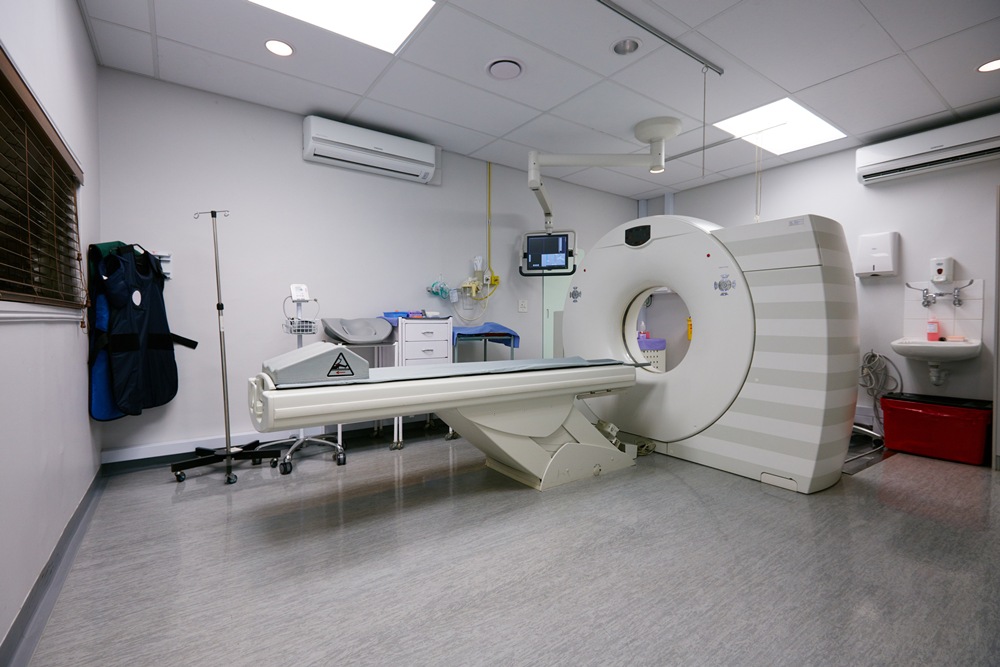
An AI model spotted pancreatic cancer abnormalities on CT scans up to three years before diagnosis and is now being tested in a clinical trial. The scientists behind the model trained it by feeding it CT scans from patients who had been screened for other medical conditions and were later diagnosed with pancreatic cancer. [...]

Researchers found AI could flag early warning signs of ADHD in children years before diagnosis, potentially opening the door to earlier support. Artificial intelligence could help identify children at risk of attention-deficit/hyperactivity disorder (ADHD) years before they are formally diagnosed, according to new research. ADHD is one of the most common mental disorders, affecting an [...]

An AI tool to tackle diarrhoeal disease in children under five in sub-Saharan Africa is being developed with €4.8m in EU funding. The CARE-AFRICA project aims to create a tool that can predict the most likely pathogen responsible for a child's diarrhoeal disease and provide guidance on the most effective treatment options based on that [...]
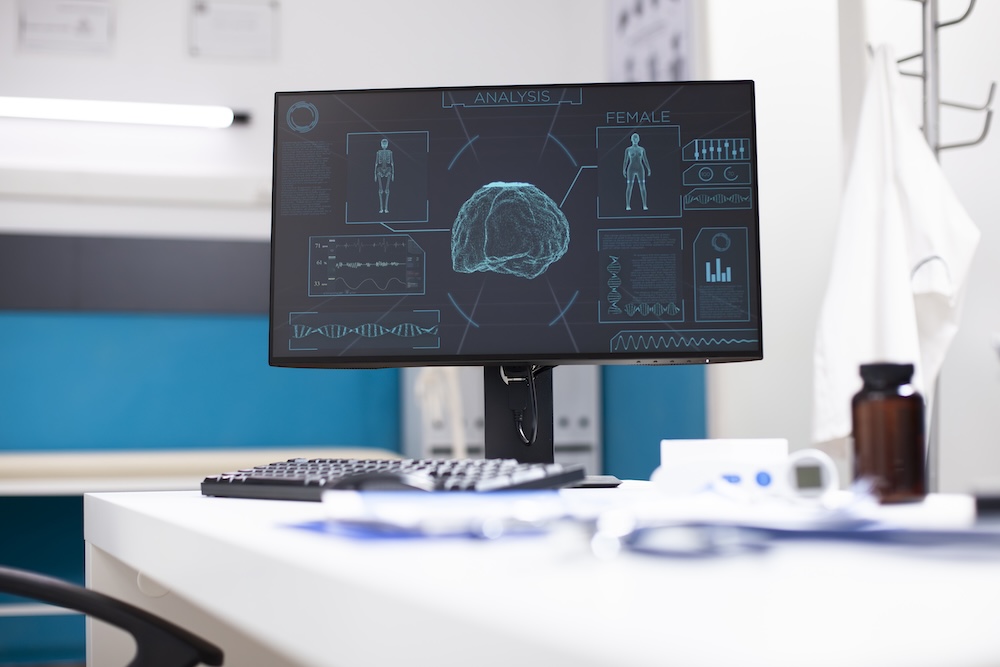
Aidoc has secured US$150m to expand its AI imaging platform and add new disease detection tools. The company said the funding will support wider international adoption of its aiOS platform, which helps clinicians review medical scans and prioritise urgent cases. It also supports related tasks such as managing patient data. Aidoc’s software is built around [...]

Sleep Cycle has become the first application in the sleep category available through OpenAI’s platform. The launch marks an initial step in how Sleep Cycle can distribute its services via AI-based platforms, beyond its own app. Sleep Aid consists of carefully designed audio experiences that help users unwind and fall asleep, including guided relaxation, calming [...]
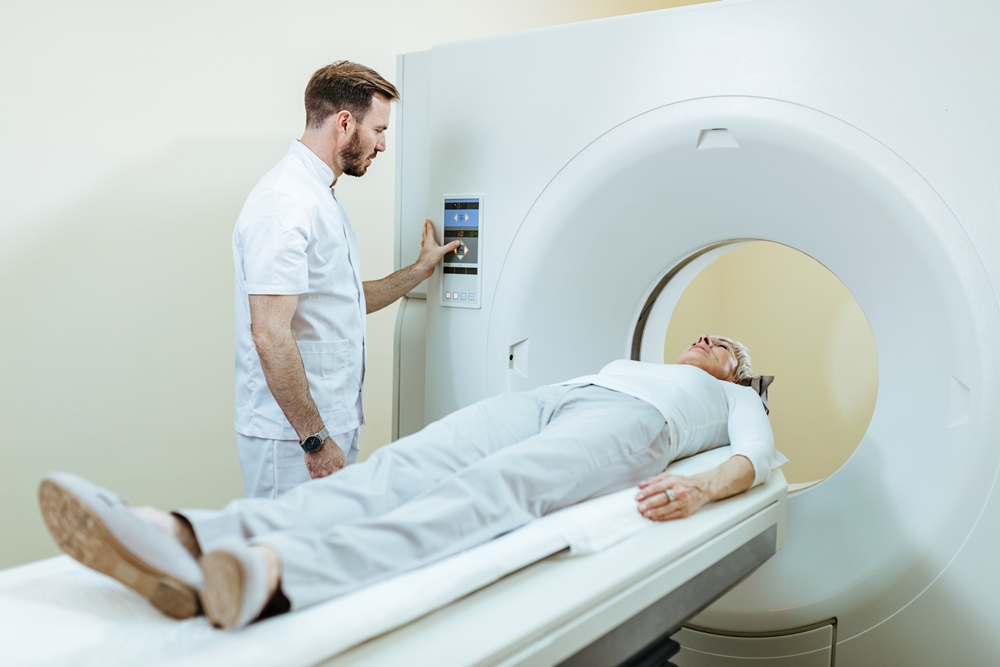
An AI model detected pancreatic cancer earlier and more accurately than radiologists, offering hope of earlier diagnosis, a study found. Pancreatic ductal adenocarcinoma is the most common form of pancreatic cancer. It has a poor survival rate and is usually diagnosed late, when symptoms and visible tissue changes are often absent. The model, called REDMOD, [...]

System C has announced the rapid expansion of its AI-powered FormFlow Assistant across 15 local authority social care teams in England. The tool, which uses ambient AI to handle documentation during assessments, is enabling councils to complete significantly more assessments with existing resources, with customers reporting documentation time cut by half and capacity for at [...]

Article produced in association with Jeen Health Karyotyping is one of the oldest tools in medical genetics. For more than fifty years, cytogeneticists have been staining chromosomes, viewing them under a light microscope, and arranging them by size into the familiar numbered karyogram. The work is meticulous, labour-intensive and requires years of training. It is [...]