



By Professor Sam Shah, Chief Medical Advisor, The Medical Travel Company
India has long been known for its rich culture, heritage, and medical expertise. In recent years, it has also become a top destination for dental tourism—a growing trend where individuals travel abroad to access affordable and high-quality dental care with an enhanced patient experience.
The country attracts patients from all over the world, with high levels of demand from the Indian diaspora, expat community and other patient groups wanting effective treatment and exceptional service at an affordable price.
So, at a time when access to and satisfaction levels with NHS dentistry continue to collapse to a record low of 20 per cent according to the Nuffield Trust, what sets India apart from other countries offering similar services? In my opinion, it comes down to four main factors:
- brand new state of the art facilities and equipment,
- the high standard of clinical training
- widespread English proficiency among dental professionals, and
- private dental services that rival or even exceed those in countries such as the UK and USA.
These qualities make India not only a cost-effective option, but also a reliable one.
Investment in dental clinics
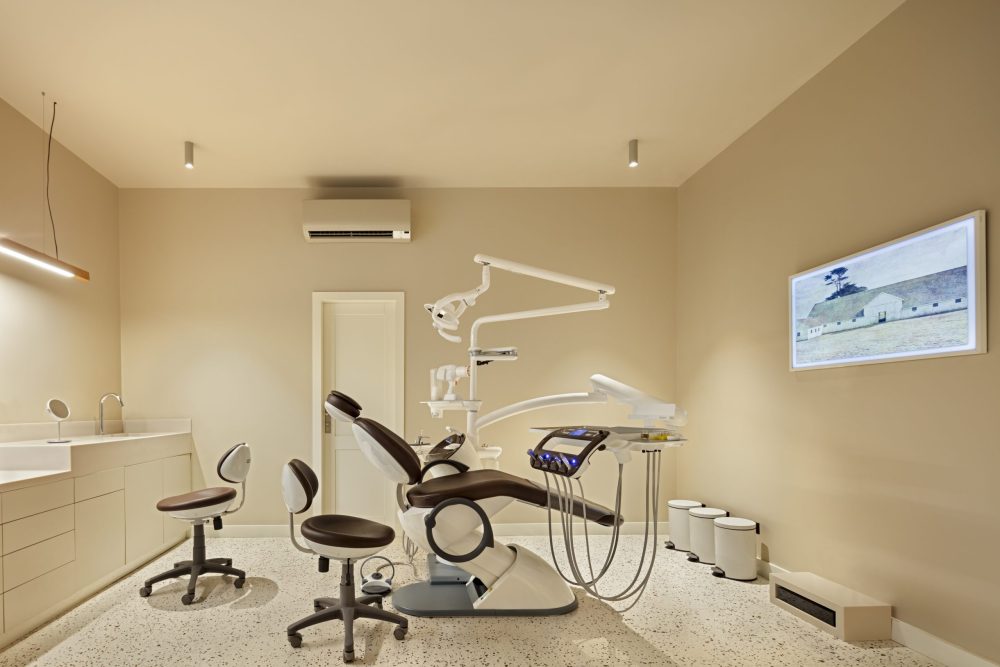
Over the past decade, India has become a hub for high-end dental care, with significant investment fuelling the rise of modern, purpose-built clinics equipped with cutting-edge technology.
These facilities meet and often exceed international standards, offering advanced procedures in sleek, clinical environments that rival those in Europe or USA.
But it’s not just the tech that sets them apart, India’s dental clinics do not follow the ‘conveyor belt’ model seen in many overburdened healthcare systems.
Instead, patients receive genuinely bespoke care including tailored treatment plans, longer consultations, and direct access to senior specialists, ensuring a personalised experience that prioritises outcomes over throughput.
Cost and value
One of the most compelling reasons patients seek dental care overseas is the cost, this is a big pull factor for India over and above many other countries.
Routine procedures that may cost £3,000–£5,000 in the UK can often be done for a fraction of the price – around £500 – £1,500 – in India, without compromising on quality.

Professor Sam Shah
In a time when the cost of living in the UK continues to rise, this financial benefit becomes more significant, especially for more technical treatment plans such as implants, crowns, bridges, and full mouth rehabilitation which may not be covered by NHS funding.
Additionally, complex dental treatment on the NHS is often spread over several months rather than completed in one go, which can result in a higher cumulative cost to the patient.
The treatments provided are usually basic – for example, a standard crown – while higher-quality materials or more advanced solutions are typically only available privately. As a result, many patients end up paying for a mix of NHS and private care to get the outcome they want.
But it’s not just about the price tag.
The value comes from the combination of affordability and top-tier service. Indian clinics provide care at international standards, supported by advanced equipment, comprehensive treatment plans, and English-speaking staff, making the entire experience seamless and reassuring for UK patients.
Treatment and services
Dental tourists in India are not just going for a basic treatment.
But while complex procedures still form the bulk of dental tourism, there has been a noticeable uptick in patients traveling for moderate treatment plans – things they might have previously managed with the NHS, but now choose to complete abroad due to lower costs, faster access and high-quality results.
Importantly, the planning process is meticulous.
Through The Medical Travel Company (TMTC), treatment plans are tailored to individual needs, and clinicians in India collaborate with UK-based counterparts to ensure patients are suitable for travel and the treatment itself.
This multidisciplinary approach not only enhances clinical outcomes but also reassures patients that their care is being coordinated by professionals who understand both healthcare systems.
Quality and safety
Concerns about safety are natural when considering overseas medical treatment, but the risks of receiving dental care in India are no greater than they would be at home in the UK.
The standards of registration and regulation in India are comparable to those of the UK’s General Dental Council.
Many Indian clinicians have trained in the UK and USA or under programmes comparable to those of British and American institutions.
One major differentiator in the TMTC India-UK dental tourism model is its comprehensive risk management and insurance coverage, which is unique.
The entire treatment journey is insured—a rarity in the global medical tourism industry.
This ensures that if any post-operative complications arise, patients have access to further care without incurring additional costs or burdening the NHS.
Following on from this is the high standard of aftercare.
Patients receive immediate post-treatment support in India, and once they return to the UK, they are connected to local TMTC-approved clinicians who can provide necessary follow-up care—whether it’s a simple adjustment or more comprehensive post-treatment monitoring.
This continuity of care is what sets TMTC’s service apart from some other dental tourism options, where patients often return home without any form of support or aftercare, leading to complications that can be both distressing and expensive to fix.
Travel and logistics
While cost and quality are crucial, the logistics of dental tourism are equally important. For many patients, the idea of traveling to another continent for treatment can be daunting.
That’s why services have evolved to support patients throughout their journey, right from the initial consultation through to the return flight home.
With TMTC, a typical patient begins their journey with an assessment in the UK.
Once they are deemed suitable, a mutually agreed coordinated plan is created with clinicians in India, detailing everything from travel dates to clinic appointments and arranging luxury accommodation.
This approach ensures that patients are never left second-guessing what comes next – it is a smooth and seamless dental journey.
Upon arrival in India, they’re guided through their appointments and post-treatment recovery, and their reintegration back home is managed with equal care and attention, with specialist aftercare designed for speedy recovery. This is true holistic care.
Trust, training and tailored care
India’s popularity in the dental tourism sector is not just about lower costs or a place to relax post-surgery. It is about trust, training, and holistic tailored care.
Unlike some countries where treatment planning can be aggressive, focusing more on cosmetic results than long-term oral health, India’s treatment philosophies align closely with the UK’s ethical approach to dentistry.
Patients are not pressured or sold unnecessary veneers or crowns. Instead, they’re given realistic, needs-based, evidence-based treatment plans that focus on preserving the natural teeth and achieving sustainable outcomes.
This alignment in treatment ethos means UK patients can feel confident their care abroad mirrors what they would expect at home. In fact, they are likely to experience enhanced care and support.
In the coming years, the demand for dental tourism services in India is expected to continue to rise. With affordability, professionalism, patient-focused care, and a seamless treatment experience available through companies such as TMTC it is easy to see why.
For those seeking accessible, top-quality dental work without the steep costs of UK private clinics, India is not just an alternative, for many it’s becoming the preferred choice.