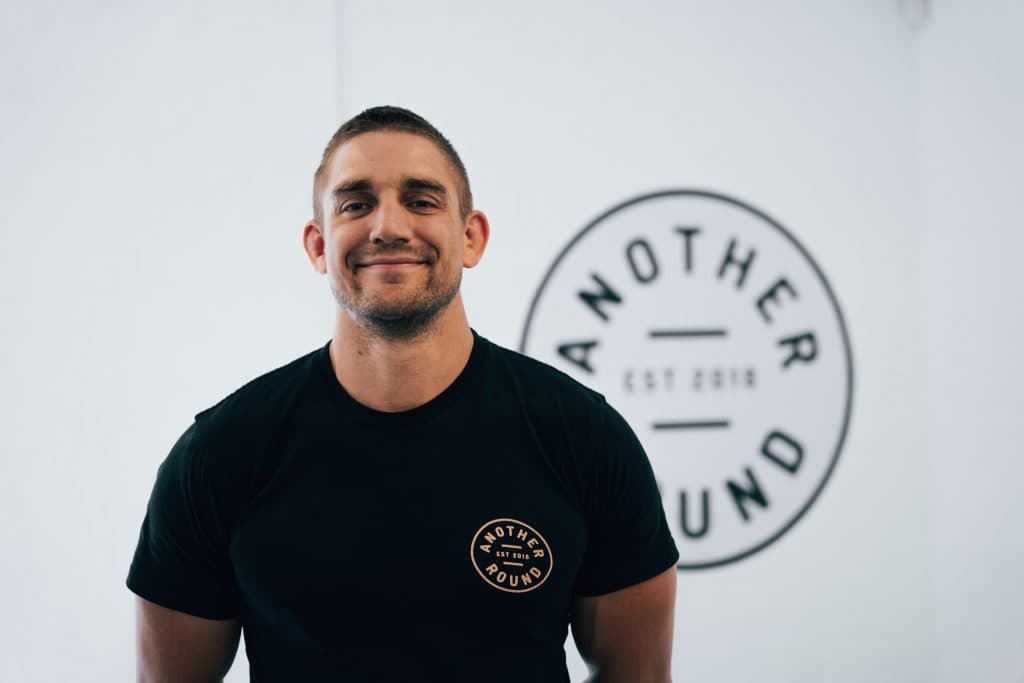


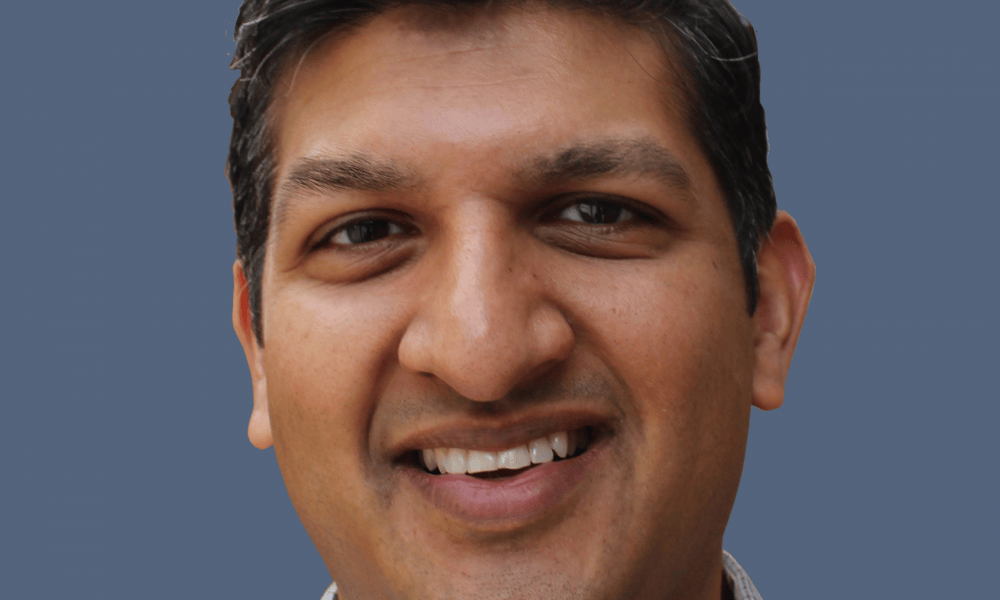
Umang Patel was keynote speaker at the HealthTech Summit in June. The event took place during London Tech Week at the Queen Elizabeth II Centre in Westminster.
Chief clinical information officer (CCIO) at Microsoft UK, the consultant paediatrician works to ensure that Microsoft’s healthcare solutions have an impact on the ground.
Health Tech World joined Umang in the Microsoft Lounge to discuss the future of digital health in the UK and beyond.
What have been the lasting digital health success stories of the pandemic?
In the past, we clinicians spent our entire time saying ‘if only I could engage my patients before they got sick.’
And then now there are all these companies doing amazing consumer stuff where they engage people before they do something.
We can also now dictate our notes digitally instead scribbling on bits of paper.
Communication channels, even outside Teams and telemedicine, are also really taking off, as are wearables.
Elsewhere, Nuance are developing their ambient clinical intelligence system. This idea of sticking an Alexa in your kitchen sounded insane in the past, but now we see its value.
Imagine we’re having consultation and I say I’m going to do a full blood count. And then the system automatically picks that up and books the appointment. I don’t think that’s very far away. So that’s quite exciting.
Are less tech-savvy patients such as the elderly being left behind?
Much less so than I feared.
I recently did a talk at the WI. I asked my 92-year-old neighbour Dorothy why she wanted me to talk about tech and healthcare. Her view was that older people use it more than I do.
When an elderly person finally goes on a cruise after years of pandemic delays, their biggest fear is their healthcare. Tech allows them to connect to that in a different way. How cool is that?
They were actually an avid audience. In fact, that was the only talk I’ve ever done where nobody has pulled their phone out halfway through.
So yes, the gulf is less than expected. But there’s still an element of that and we have to tackle it.
The increasing use of digital health tools is generating huge volumes of data. How might this be used in the future?
There’s been a billion-fold increase in the amount of data since I started medical school. It’s really exciting.
In 1948, America took 5,000 people’s worth of data, measured it, and from that, we learned that smoking was bad, high blood pressure is a big problem as there is such a thing as ‘good cholesterol’ and ‘bad cholesterol’.
We did that with very limited datasets. So I’m really excited to hear about what can we do with the new datasets in areas such as mental health.
Now we take that approach again, where we gather up large volumes of data, stick it into the cloud, and make it usable, computable, understandable, visual.
People can then look at it and go, ‘I wonder if I do this intervention, what that will do,’ and then build from there.
Are there conversations already happening between tech companies, the NHS and patient groups about using this data securely?
Yes, constantly.
The number one thing is, nothing starts without trust. If you don’t trust what we’re going to be doing with this data, we’re not going to get it off the ground.
I think the pandemic has helped that. Probably by necessity, people now understand its value.
I think the excitement will come when we start using data in ways that are very medical and clinical, like choosing certain medicine based on a patient’s genomic profile.