


Wearable technology enabled a therapist to ‘accompany’ patients with PTSD virtually during exposure therapy and use real-time psychophysiology to improve outcomes.
Virtually guided prolonged exposure therapy reduced post-traumatic stress disorder (PTSD) symptoms more effectively than prolonged exposure alone in a pilot study of 40 civilians and veterans.
The study was conducted at the Medical University of South Carolina (MUSC), in partnership with the Ralph H. Johnson VA Medical Center.
In the study, a therapist virtually accompanied patients receiving guided exposure therapy, using Bio Ware by Zeriscope.
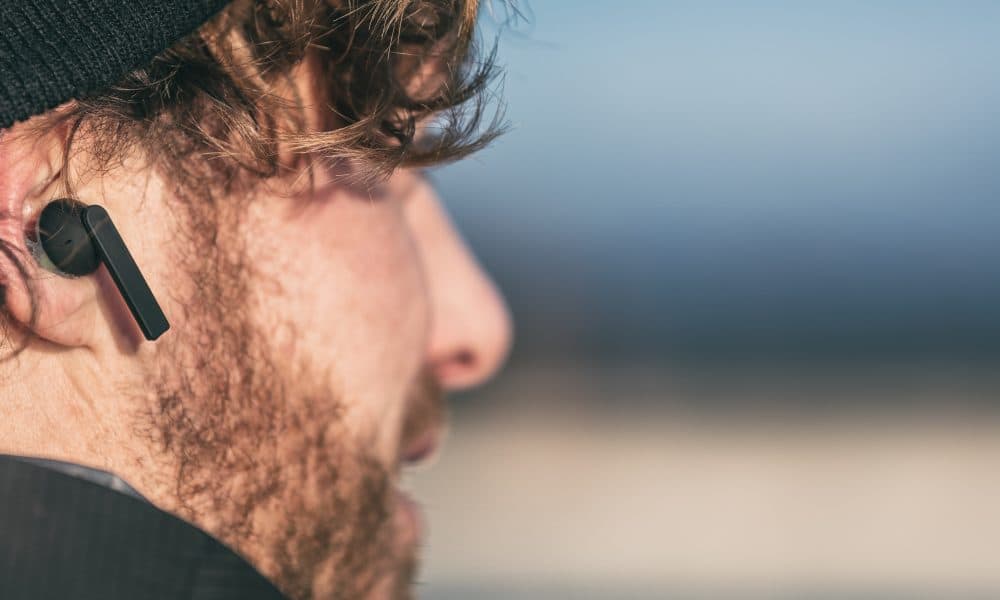
The technology enabled the therapist to see and hear what the patient sees and hears via video camera and microphone, communicate with the patient through earbuds and track the patient’s heartbeat and skin conductance, which are signs of therapeutic engagement.
Researchers said after 10 to 12 sessions of guided prolonged exposure therapy, most patients saw a clinically significant reduction of 10 to 20 points in their PTSD Checklist for DSM-5 (PCL-5) score, pushing them below the threshold for PTSD diagnosis.
Matt Shepley, the founder of Sole Survivor PTSD Support, welcomed the results. He said the study was the most ‘most exciting’ piece of PTSD research completed to date.
“This is probably the most exciting piece of research work completed to date marrying tech and PTSD research.
“PTSD treatment traditionally has been a talking therapy or medication and hasn’t really attracted much in the way of cutting edge R&D tech activity.
“Hat’s off to Zeriscope for pioneering this work with their Bio-Ware system. Avoidance is one of the most debilitating parts of PTSD, the costs socially are massive, both to the afflicted, their families and the community as a whole.
“Hopefully we will see it in the UK as soon as the trials are completed.
Tanya Saraiya, PhD, a clinical psychologist and assistant professor at MUSC, served as one of the study therapists on the project and administered prolonged exposure therapy to participants.
She said, given that up to 8 per cent of the U.S. population and 20 per cent of veterans are affected by PTSD, the study’s findings are important in expanding the reach of therapy for PTSD.
“The whole point of this research is to create a wearable technology that allows the clinician to pipeline virtually into those in vivo exposures and do it with the patient, while also using physiological data to guide them to have an optimal experience.
“Trauma therapy is hard enough on its own, and it’s really courageous to work on yourself in any capacity in therapy, especially trauma,” said Saraiya.
“We hope this device will make it easier for patients to be in trauma therapy and improve clinical outcomes.”
Saraiya said exposure therapy has long been known to be effective at reducing PTSD symptoms. A hallmark symptom of PTSD is avoidance.
In exposure therapy, one aspect of the treatment focuses on teaching patients to approach stressful situations, activities or places “in real life” that are safe but avoided because they remind them of their traumatic experiences.
For example, patients often visit stores or restaurants, where crowds or noises might trigger their stress response. For some patients, this can be too painful, leading them to drop out of therapy. Virtually guided exposures could provide these patients the support they need to complete treatment.
Saraiya said virtually guided prolonged exposure therapy may help to improve outcomes by ensuring patients are exposed to the appropriate levels of distress. If challenged to too much stress too quickly, the patient may discontinue therapy or not benefit as much.
If challenged to too little stress, the patient may not experience reductions in their PTSD symptoms. In the standard version of prolonged exposure therapy, therapists rely solely on patient self-report to learn about details of the exposure, such as how long patients engaged in the activity or the level of stress they felt.
This can make it difficult to calibrate and optimize the degree of stress exposure. The virtually guided exposures directly overcome this shortcoming.
Saraiya said virtually guided exposure therapy helps clinicians tailor exposures to better help patients. They can advise a patient to turn up or turn down the level of engagement based on the Bio Ware readings.
For example, therapists can advise patients to challenge themselves by going through the regular checkout lane at the grocery store rather than the self-checkout, which has fewer people and does not require interaction with others.
Bio Ware will apply for a phase 2 grant to fund a larger clinical trial comparing the efficacy of guided versus non-guided exposure therapy and examine mechanisms of change in reductions of PTSD symptoms.