


As our population ages there is a corresponding increase in the prevalence of chronic diseases, which are major causes of morbidity and mortality.
In 2020, it was estimated that 1.3 million people in Ireland were living with one of the major chronic diseases; cardio-vascular disease, chronic obstructive pulmonary disease, asthma or diabetes, and this is set to increase by around 40 per cent in the next decade.
Chronic disease accounts for 40 percent of hospital admissions and 75 percent of hospital bed days, as well as leading to additional demand for residential care places (Government of Ireland National Risk Assessment 2019).
A telehealth pilot project was undertaken in County Wexford in 2021, overseen by a multi-agency Stakeholder Group (Age Friendly Ireland, Integrated Care Programme in the HSE, Wexford General Hospital, Tunstall Emergency Response, Wexford County Council-Age Friendly Programme).
The pilot project set out to provide a 12-week telehealth intervention to 50 patients with a chronic illness. The project was independently evaluated by Waterford Institute of Technology.
Suzanne Denieffe, head of the School of Humanities at Waterford Institute of Technology, said: “The Waterford Institute of Technology research team and I were invited to evaluate the pilot study, which took place during the middle of the pandemic. Managing chronic conditions is difficult at the best of times, however, this was exacerbated by the difficulties around health monitoring and care provision during the pandemic. The pilot project was designed to explore the potential of telehealth to support patients at home living with chronic conditions, particularly as they were experiencing social isolation at the time, and many were experiencing disruption to their clinical care.”
The objectives of the pilot project were to establish a proof of concept for the provision of a telehealth service for three identified chronic conditions (Chronic Health Failure, Diabetes and Chronic Obstructive Pulmonary Disease) in County Wexford, with a potential to scale up nationally.
The research aimed to evaluate the pilot telehealth intervention, considering:
- the impacts of the intervention on the patient’s clinical condition and wellbeing;
- in person use of health services ascertaining patient and clinician perceptions of the intervention and technology and;
- an analysis of the cost effectiveness of the intervention.
Telehealth equipment was provided to the patients for a 12 week duration.
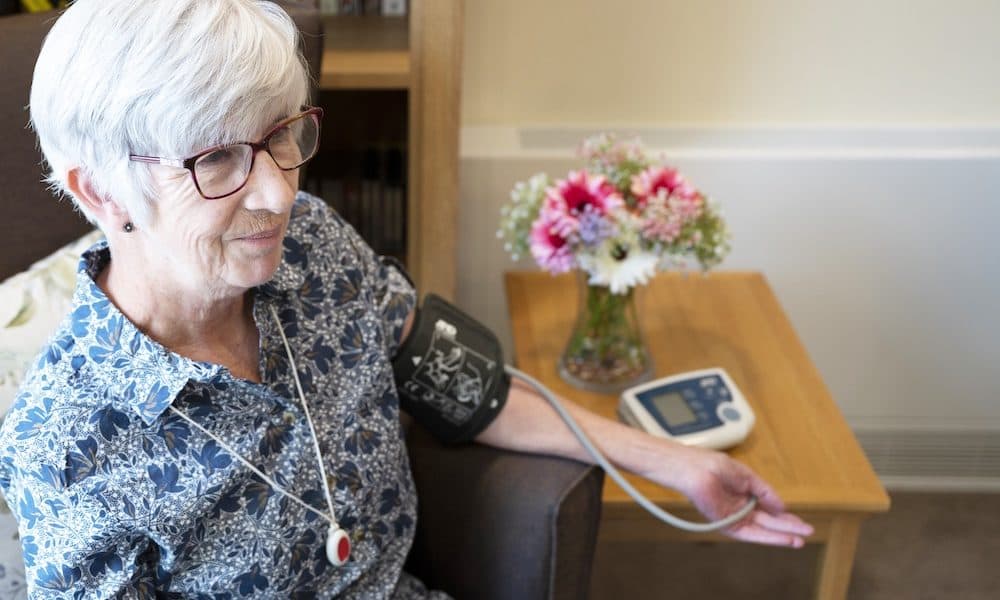
This included a patient app which enables self-management and monitoring. The app collects data from monitoring devices on vital signals such as pulse, oxygen levels and blood pressure, as well as patient symptoms.
It provides a range of benefits including automatically updated readings via Bluetooth connected devices and the ability for manual entry of readings, and automated alerts and activity reminders.
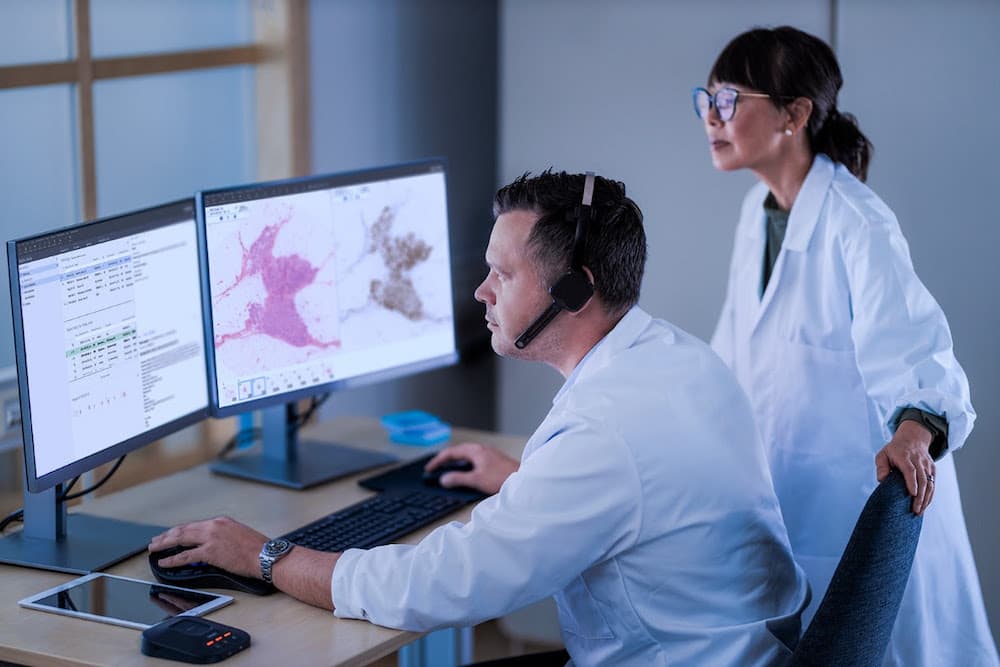
Also involved was a clinical management software platform which enables clinical and service teams to monitor patients remotely. The system enables a number of outputs including automated prioritisation tools and summary reports for clinicians.
Commenting on the technology, Suzanne added: “Patients felt very supported, and it became clear how much telehealth helps self-management. One patient in particular described the service as ‘magic’.
“It was great to see the way it changed his life; he now feels confident to recognise signs and symptoms, and therefore when he can be more active and when he needs to rest.”
Patients were highly engaged with the project, with 98 per cent of readings recorded. There were also low levels of attrition.
One participant commented that “It’s nice to know you are being monitored, which gives you more confidence.”
Another added that it gave them confidence in their illness management. “I think because when I knew my oxygen levels were good, it gave me more confidence to go about my day and do more activities.”
A participant found that their use of the health service improved. “I suppose I have been in the health service, and I think the change for users is that you can get a check from home without having to constantly go back and forth to the hospital.’
A second phase of the project is planned to start later this year, covering five counties and 250 patients.