VR could boost access to mental health support, study finds
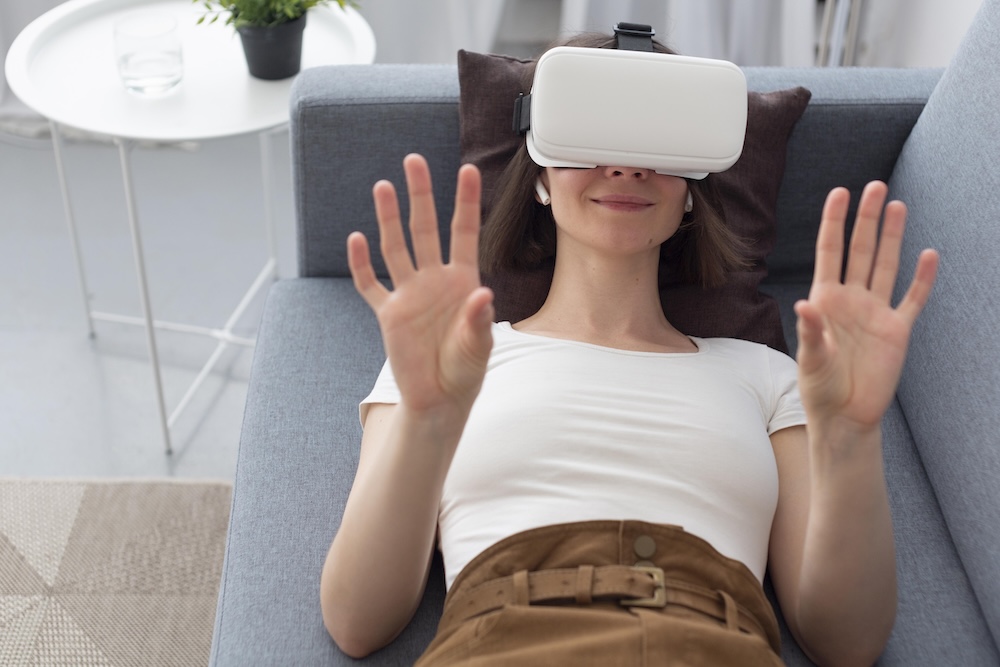
Virtual reality (VR) could widen mental health support access, with studies suggesting the design of virtual spaces can shape how comfortable people feel opening up.
Two studies found the technology can encourage self-disclosure by offering a degree of anonymity through avatars and the calming effect of well-designed digital environments.
The findings suggest VR could be a useful communication tool that may boost access to psychological support when face-to-face therapy is not available.
The research was led by Dr Shane Rogers, a psychology researcher at Edith Cowan University in Australia.
The first study compared self-disclosure across video chat, text chat and VR. While video chat was the preferred option overall, VR matched video for feelings of calmness and presence, and about 20 per cent of participants preferred VR for discussing personal experiences.
Dr Rogers said: “One reason people like VR is that the sense of anonymity offered by avatars can help them feel more relaxed.”
The second study examined how the virtual environment shapes comfort. Participants shared personal experiences in four settings: seaside, garden, urban office and sci-fi.
Nature-based environments were rated as more comfortable, calming and better suited to therapeutic conversation.
Dr Rogers said: “We found that natural VR environments, especially coastal or garden settings, helped people feel more at ease when talking about personal experiences.
“That has real implications for designing future mental health tools.”
He said the findings highlight VR’s potential as a complementary telehealth option, especially for people who prefer greater anonymity or feel more comfortable outside traditional therapeutic settings.
Dr Rogers said: “These studies show that VR can offer unique benefits that sit somewhere between video chat and face-to-face sessions.
“With continued improvements in avatar realism and environmental design, VR could become an important part of the mental-health toolkit.”