Stroke AI in over 70 NHS hospitals is helping patients get treated more than an hour sooner, according to a study of care across England.
An analysis of nearly 453,000 patients found about 15,000 directly benefitted when scans were reviewed by the technology, which flags dangerous blood clots within minutes.
Hospitals using the Brainomix 360 Stroke imaging platform saw thrombectomy rates double from 2.3 per cent to 4.6 per cent. Thrombectomy is a minimally invasive procedure to remove blood clots from the brain; speed is critical, as every 20-minute delay cuts the chance of full recovery by around 1 per cent.
At primary stroke centres, use of the AI was linked to a 64-minute reduction between arrival and transfer to a specialist centre.
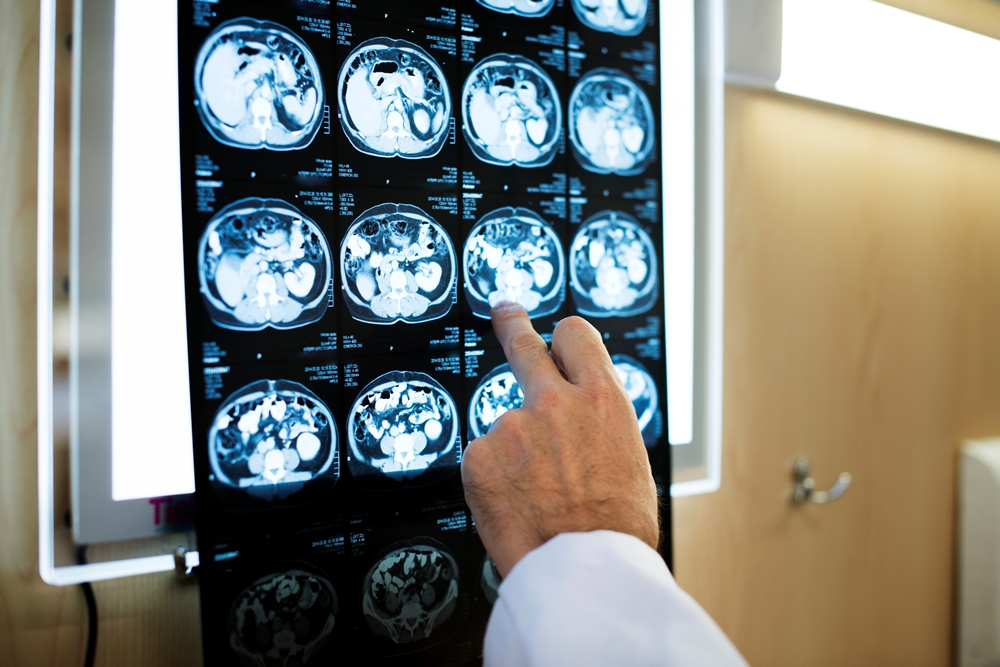
The platform analyses CT scans (detailed X-ray images of the brain) in real time, identifying key features of a major stroke within minutes. This can be especially valuable in hospitals without on-site specialist brain imaging expertise.
Dr David Hargroves, NHS national clinical director for stroke and co-author of the study, said: “This landmark study confirms what we have already been seeing in daily practice: that stroke AI imaging is helping us deliver faster decision-making and better care for our patients.”
“This technology supports clinicians to make rapid treatment decisions, which means more patients can receive life- and disability-saving treatments in time – giving them a better chance of returning to independent living.”
Jean Hines, 83, was rushed to the Royal Berkshire Hospital after collapsing at home. A scan carried out immediately on arrival, supported by the AI imaging tool, identified a major stroke and the need for urgent treatment.
Within 25 minutes of reaching the emergency department, she was transferred by ambulance to the John Radcliffe Hospital in Oxford for a successful thrombectomy.
Hines said: “I feel incredibly lucky. Everything happened so quickly and I know that made all the difference. When I was on the ward I saw people who had lost their speech or movement, and it really hit me how life-changing a stroke can be.”
The technology is part of a wider NHS programme that introduced AI decision-support across every regularly admitting stroke service in England in summer 2024.
Stroke is one of the leading causes of death and disability in England, with around 80,000 cases each year.