NHS rolls out free eyesight, hearing and dental checks for children at residential special schools
Children and young people with special educational needs and disabilities in residential special schools and colleges across England are to be offered free NHS eyesight, hearing and dental checks.
Autistic children and young people and those with a learning disability are often more likely to experience eyesight, hearing and dental problems than their peers and may also find it much harder to tell people if they are having any problems, or whether it is getting worse or causing them pain.
The NHS sensory checks have been piloted in schools during 2022 and 2023, and will now be offered to all special residential schools and colleges across England from next year – reaching around 18,000 children and young people.
The new checks will help ensure issues are identified promptly, and that children and young people can get the right care and follow-up support as quickly as possible.
The NHS has worked with people with a learning disability, autism or both, their families and carers, special schools, clinicians, and other stakeholders to develop and test the sensory check and ensure appropriate clinical guidance and commissioning frameworks are in place to support procurement and delivery of these services by local integrated care boards (ICBs).
Tom Cahill, National Learning Disability and Autism Director at NHS England, said: “Mainstream services can sometimes struggle to meet the needs of autistic children and young people, or those with a profound learning disability, so these new sensory checks in residential special schools will provide the support they need.
“Having specialist services which take account of an individual’s reasonable adjustments, with support from people that know them well and delivered by appropriately-trained staff, will help ensure that they are able to access sensory checks that other children and young people routinely receive.
“This NHS scheme will mean that around 18,000 children and young people will receive NHS sensory checks ensuring any issues are tackled promptly, reducing health inequalities.’’

Anne Worrall-Davies, NHS England’s Children and Young People’s Learning Disability and Autism and SEND Clinical Lead, added: “We are delighted that we will soon be able to offer these vitally important checks to children and young people with special educational needs and disabilities in order to reduce health inequalities, identify unmet needs and provide any necessary treatment and follow-up support.
“The free NHS checks will ensure children and young people in residential special schools are able to lead happier, healthier lives with minimal disruption to their education and routine.”
Eyesight checks will be carried out annually for children and young people in all day or residential special education needs schools.
At least one annual face to face dental check as a minimum will be offered to children and young people in residential special schools and colleges, with termly in person oral health advice and prevention visits to check for any concerns and undertake activities such as applying fluoride varnish or demonstrating effective toothbrushing.
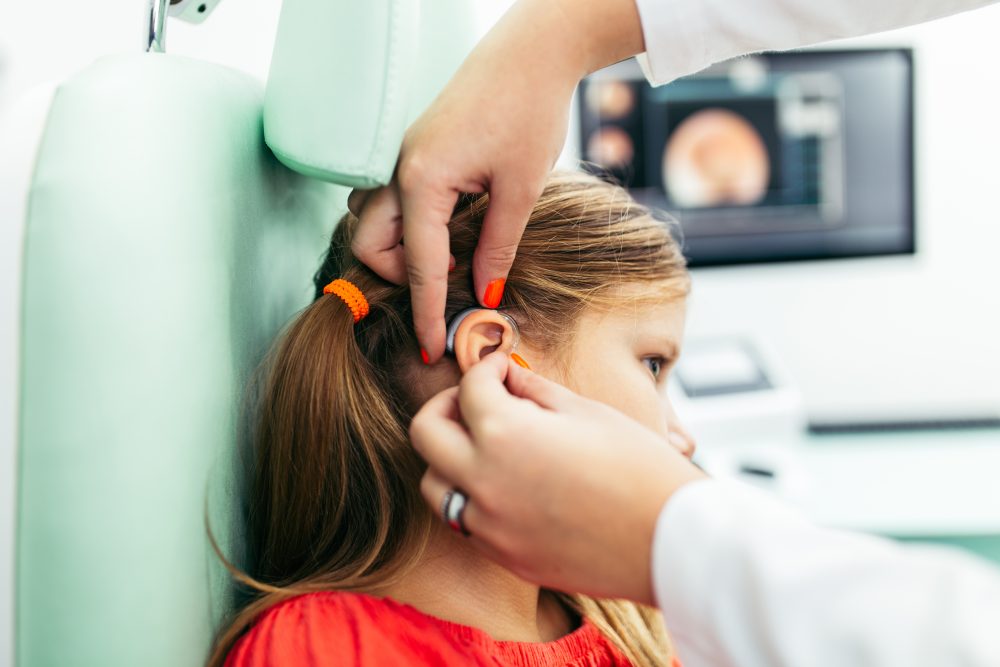
Hearing checks will be carried out at school entry and then at transition points, such as when a child moves from primary to secondary school, or secondary school to sixth form college.
If any ear health or hearing issues or concerns are identified then the child or young person will be referred to their GP or local audiology team as appropriate.
Minister of State for Care, Stephen Kinnock, said: “I am pleased we will be able to support vital sensory checks for all pupils in special educational settings, in a comfortable and known environment for them.
“These checks will enable health issues in around 18,000 children and young people to be identified more promptly – tackling health inequalities by giving them access to the right high-quality care and support faster.”