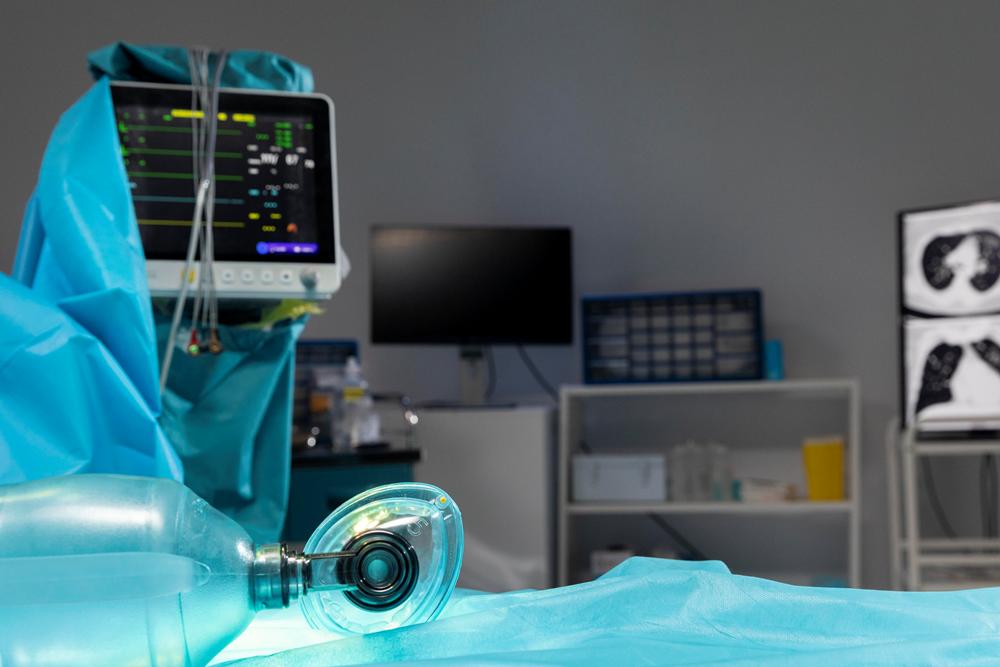



Pig lung transplanted into human in world-first
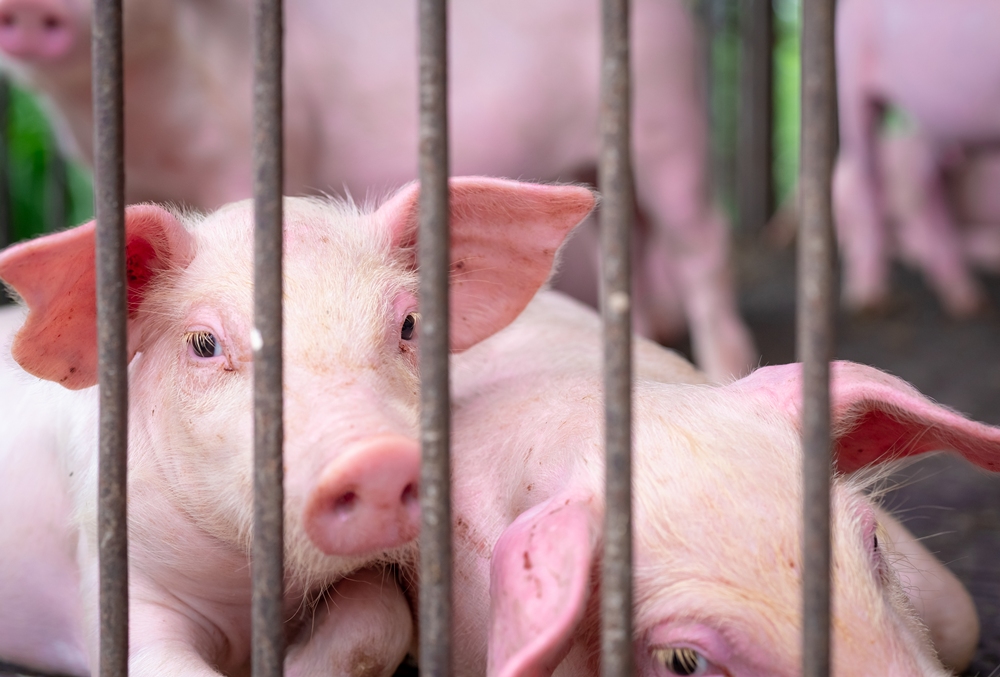
A genetically modified pig lung transplanted into a brain-dead patient functioned for nine days, in what researchers say is a world first.
The attempt marks the first pig lung transplant into a human, after limited progress with pig kidneys and hearts.
Xenotransplantation – moving organs from animals to humans – may ease organ shortages, though major hurdles remain.

Doctors at Guangzhou Medical University First Affiliated Hospital in China carried out the transplant on a 39-year-old man who was declared brain-dead following a brain haemorrhage, with his family’s consent.
The lung had six genetic changes to lower rejection risk, and the donor pig was raised in tightly controlled, sterile conditions.
The patient was given several drugs to prevent infection and rejection.
Researchers reported no immediate signs of rejection, but within 24 hours complications developed.
The man showed extensive swelling as fluid built up in tissues, likely linked to blood flow problems. Lungs, while mainly used for breathing, also affect blood circulation, filtration, temperature regulation, platelet production, pH balance, immune defence, and metabolic and endocrine functions.
Some signs of recovery appeared days later, but doctors eventually saw rejection indicators. The procedure was stopped at the family’s request.
“Although this study demonstrates the feasibility of pig-to-human lung xenotransplantation, substantial challenges relating to organ rejection and infection remain,” the researchers said, adding that they pursued the study because of the “transformative potential” of xenotransplantation.
Pig heart valves have been used in humans for over 30 years, but whole organ transplants are far more complex.
Doctors have seen limited success with genetically modified pig hearts and kidneys, and experiments with pig livers have been less successful so far.
The most successful case to date is Tim Andrews from Massachusetts, who is living with a genetically modified pig kidney transplanted at Massachusetts General Hospital in January.
Dr Adam Griesemer is a transplant surgeon and senior member of NYU Langone’s Transplant Institute xenotransplantation team.
He said: “Nobody would sign up for a nine-day lung transplant.” He noted that transplants of pig lungs into other animals have shown similar results, and animal models cannot always predict what happens in human patients.
Dr Ankit Bharat, chief of thoracic surgery and director of Northwestern Medicine Canning Thoracic Institute, voiced doubts about progress.
“We’ll learn something from this, but I’m not fully convinced that this really opens up the doors to doing bigger trials, just based on what we observed here,” he said.
He stressed that lungs are especially complex. As well as handling breathing, they also control metabolic and endocrine functions, blood filtration, temperature regulation, platelet production, and pH balance, while constantly exposed to outside pathogens.
“That’s a tough problem to solve. We haven’t really solved that, even in human organs. So you are just adding another layer of complexity with pig antigens that can become another problem.”
Bharat questioned whether rejection was truly avoided, citing X-ray and CT scans.
“There is a lot of damage. I don’t know if I’m fully convinced that there was no hyper-acute rejection.”
He suggested stem cell therapies using a patient’s own cells might offer a better path. Griesemer pointed to research using pig lungs as scaffolds, replacing pig cells with human ones.
He said: “In a sense, that would not really be a xenotransplant, because the cells would be human, but the structure would be from a pig.
“So that’s another possibility for how medical technology might solve this problem for people that need lung transplant.”