


Grief is a heartbreaking inevitability; something that all of us have experienced or will experience at some stage in our lives. It’s life-changing, traumatic and can, in some cases, lead to serious mental health issues.
But, in spite of its universality, current support isn’t designed around the reality of grief, and the true, all-encompassing impact of bereavement is still misunderstood by many.
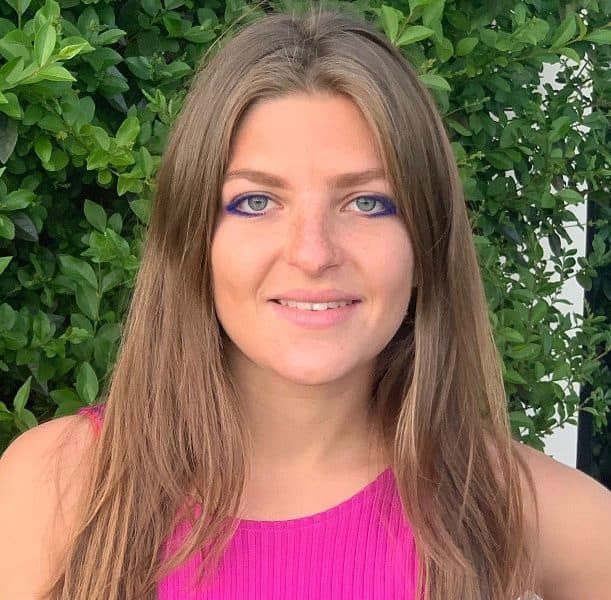
This is something that I discovered when seeking help after losing my grandfather, and the inspiration behind the grief support platform I founded, Untangle.
Grief is more than just feeling sad or missing someone you love.
It affects you mentally, physically, socially and professionally, with memory loss, lack of concentration, a reduced immune system and muscle pain noted as just some of the symptoms.
These effects can worsen too. 10 per cent of those who suffer bereavement go on to deal with serious mental health conditions.
Research shows that those who are grieving also spend longer in hospital and take more medication in the year after losing a loved one, while a quarter of widows and widowers experience clinical depression in the first 12 months.
Most worryingly of all, bereavement is one of the five risk factors for suicide, showing just how devastating it can be without the right help.
Current support is not designed around grief
Given these statistics, it’s surprising how limited bereavement support still is.
The healthcare field tends to work under the concept of a ‘mourning period’, with the notion that you’ll be sad for a set time, and then move on.
In the US, grief that lasts beyond one year may be classed as ‘prolonged grief disorder’.
Meanwhile, the dominant help for grief in the UK is talking therapy or antidepressants.
These approaches can make people feel like they’re not reacting ‘normally’, or push the narrative that a natural human reaction to loss needs to be medicalised.
Such implications are also turning grief into something that’s taboo, making those who are bereaved feel more isolated and even ashamed. In reality, grief is not linear nor is it an illness to cure.
45 per cent of Untangle members say it will never go away, and 53 per cent believe they must learn to live alongside it.
Talking therapy does indeed help – it is crucial support for many who are grieving – but the timing and approach of that support needs to be tailored to the individual.
Everyone’s grief journey is entirely unique, and the symptoms can come in waves. The challenge for healthcare professionals is helping patients manage the ever-changing tides.
Digital solutions offer bespoke grief support
In response to the lack of grief support available, technology is stepping up.
From always-on bereavement communities to virtual ‘death admin’ services, online help is at hand to guide people through their hardest times.
The unpredictability of grief means that a wave of pain can hit at 4am or 4pm, which is why we made Untangle a 24-hour app. It means someone is always there to help.
This also better reflects the nature of grief.
Offline talking therapy is usually booked in advance with fixed appointments, which may fall on a day when you can’t get out of bed, or when you’re feeling okay and want to focus on the positive.
Virtual drop-in support groups and workshops are all built around you, and most importantly, they are accessible any time of day or night.
Such digital solutions also mean there’s no waiting for expert help when it’s needed most; you can book same-day appointments with solicitors, therapists and financial advisors that suit your unique requirements.
On average, it costs £21,000 and 420 hours to battle through mountains of ‘death admin’.
Digital automations are working to cut down on time spent and the financial impact – not to mention the emotional toll.
At Untangle, we create tailored support plans and checklists to give individuals the peace of mind they’re doing things right, while account closure tools, such as Life Ledger, are taking difficult processes out of the hands of those grieving.
Recent viral tweets have shone a light on how rigid company policies are worsening the heartbreak for many. Until these policies change, tech is the answer to helping you through when your mind is elsewhere.
But perhaps the most valuable support can be found in peer-to-peer communities.
Studies have found that peer models are effective in managing grief symptoms, as they remind the bereaved: you are not alone.
After her husband died in 2015, Sheryl Sandberg, COO of Facebook (now Meta), paved the way for these communities with Option B; a blog where people share their stories of loss and connect through their experiences.
Now, these communities are playing a vital role in people’s grief journeys across the world.
Specialised groups mean those who are struggling can find people who are dealing with the same type of loss as they are, whether that’s based on their relationship to the person who died or the date on which it happened.
What’s more, online communities are offering a space for grievers to memorialise their loved ones – to celebrate their lives with people who understand their loss.