



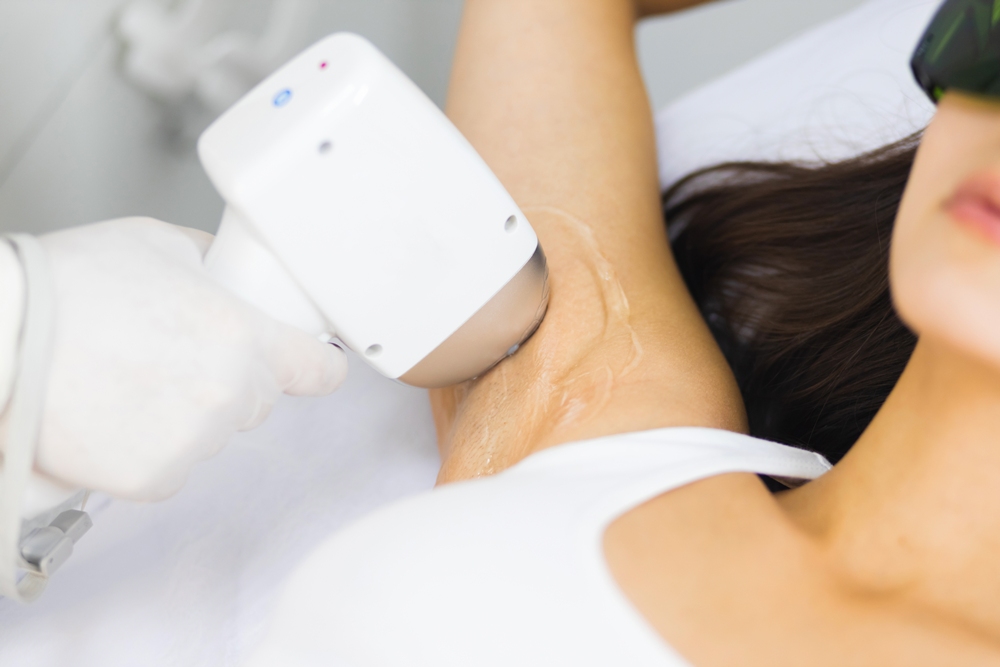
The science of permanent hair removal has progressed significantly over the past two decades, with laser technology leading advances in both effectiveness and safety. Modern laser systems use controlled wavelengths of light to target hair follicles while protecting surrounding skin tissue. This precision has expanded treatment suitability across a broader range of skin tones and hair types, making laser hair removal a clinically established option within regulated UK practice.
The UK market for laser hair removal London services continues to grow, reflecting sustained consumer demand and increased confidence in medically supervised treatments. Dual-wavelength platforms and refined pulse control systems allow practitioners to tailor procedures to individual characteristics. These developments have improved long-term hair reduction outcomes when treatments are delivered within clearly defined clinical protocols. As regulatory standards evolve across the UK, emphasis on practitioner training, device certification and safety compliance remains central to patient protection.
Technological improvements now focus on balancing efficacy with comfort. Advanced cooling systems, real-time skin response monitoring and adaptable energy settings allow practitioners to refine each session. The result is a more controlled therapeutic process compared with earlier-generation equipment. These advances have strengthened the role of laser hair removal within modern aesthetic medicine.
The Evolution of Laser Hair Removal Technology
Laser hair removal has changed substantially since its early clinical introduction. Initial ruby laser systems in the 1960s were limited to lighter skin tones and carried higher risk of pigment changes or irritation. Treatment parameters were fixed, and practitioners had limited ability to adjust energy delivery. As a result, early outcomes varied considerably between patients.
Today’s devices rely on selective photothermolysis, a process in which light energy is absorbed by melanin within the hair shaft and converted to heat. This heat disrupts the follicle’s growth cycle while limiting damage to adjacent tissue. Adjustable wavelengths and pulse durations now allow practitioners to tailor treatments to skin type, hair density and anatomical area.
Dual-wavelength systems have expanded the clinical application of laser hair removal. These platforms enable practitioners to switch between wavelength settings within a single device, adapting to differences in pigment depth and follicle location. This adaptability supports more consistent outcomes across diverse patient groups. In a regulated London laser clinic environment, treatment planning typically includes skin assessment, hair analysis and review of medical history before energy parameters are determined.
This structured approach underpins laser hair removal at Pulse Light Clinic, where regulated clinical protocols, advanced laser platforms and individualised treatment planning form the basis of each procedure. Device calibration, wavelength selection and cooling controls are adjusted according to skin type and hair characteristics to support consistent hair reduction while maintaining skin safety standards.
Scientific Principles Behind Modern Laser Systems
Selective photothermolysis remains the core scientific principle behind laser hair removal. Specific wavelengths target melanin within hair follicles, generating thermal damage that disrupts regrowth cycles. Success depends on accurate calibration of fluence, pulse duration and repetition rate. Excess energy may increase the risk of irritation, while insufficient energy reduces follicle disruption.
Alexandrite lasers operating at 755nm are typically effective for lighter skin tones with darker hair due to strong melanin absorption. Diode lasers at 810nm provide versatility across a wider range of skin types and are commonly used in UK clinics. Nd:YAG lasers at 1064nm penetrate deeper into the skin and are often selected for darker skin tones because their lower melanin absorption reduces surface risk. This clinical approach aligns with wider discussion on laser treatment considerations for darker skin within regulated aesthetic settings.
Pulse duration plays a significant role in treatment outcomes. Shorter pulses concentrate energy in smaller follicular structures, while longer pulses distribute heat over a broader target area. Modern systems allow practitioners to modify pulse length based on hair thickness and anatomical region. This level of control contributes to safer procedures and improved long-term results.
Cooling mechanisms further enhance treatment precision. Integrated sapphire contact cooling or dynamic spray cooling protects the epidermis during energy delivery. By maintaining lower surface temperatures, practitioners can apply therapeutic energy to follicles while reducing discomfort and risk of burns. Effective cooling also enables treatment of sensitive areas such as the face or underarms with greater patient tolerance.
Advanced Cooling Technologies in Hair Removal Systems
Cooling technologies have become essential components of contemporary laser systems. Without surface protection, epidermal heating could compromise safety. Contact cooling systems use chilled applicator tips that remain in contact with the skin before, during and after each pulse. This continuous cooling supports consistent thermal management.
Dynamic cooling devices deliver a measured cryogen spray immediately prior to laser emission. This method offers precise timing control and can enhance patient comfort when calibrated correctly. The choice between cooling technologies depends on device design and practitioner preference.
Thermal control directly affects treatment tolerability and outcome consistency. Effective cooling allows higher therapeutic energy to be delivered to the follicle while maintaining patient comfort. The importance of controlled epidermal protection during energy-based procedures is examined in discussions on skin cooling in laser treatments, which outline how surface temperature management supports safer energy delivery. This balance becomes particularly important for darker skin tones, where surface melanin requires careful energy management to reduce complication risk while maintaining treatment efficacy.
Clinical Applications and Safety Considerations
The Fitzpatrick scale classifies skin types from I to VI and guides wavelength selection and fluence adjustment. Accurate skin typing reduces complication risk and improves outcome predictability. Device choice and energy parameters are adapted according to this classification.
Treatment areas also require tailored settings. Facial skin differs in thickness and sensitivity compared with larger body areas. Coarse, dark hair generally responds more effectively than fine or light hair because melanin absorption drives the photothermal process. Hair growth cycles influence session timing, with treatments scheduled to coincide with the active growth phase for optimal follicle disruption.
Contraindications include recent sun exposure, active skin infection, certain medications that increase photosensitivity and specific dermatological conditions. Clinics operating under UK regulatory oversight conduct patch testing and structured pre-treatment consultations to identify risk factors.
In the UK, the Medicines and Healthcare products Regulatory Agency oversees laser device certification. Clinical facilities must comply with Care Quality Commission standards when providing regulated aesthetic procedures. These regulatory structures operate within medical device classification in the UK and reinforce procedural safety standards and professional accountability across the sector.
Data recording and treatment documentation have also become more structured. Recording fluence levels, pulse duration and skin response at each session allows practitioners to refine future treatments. This systematic monitoring improves cumulative outcomes and supports clinical transparency.
Treatment Planning and Patient Assessment Protocols
Comprehensive assessment forms a core component of modern laser treatment planning. Practitioners evaluate hair density, growth cycle phase, hormonal influences and prior hair removal methods before establishing a treatment schedule. This structured review ensures that energy delivery aligns with biological factors rather than relying on fixed session intervals.
Hair follicles respond most effectively during the anagen phase. For this reason, sessions are spaced to maximise targeting efficiency across multiple cycles. Adjusting intervals according to regrowth patterns improves long-term reduction outcomes and supports consistent progress.
Patient consultation also includes discussion of realistic expectations. Gradual reduction patterns, potential shedding phases and maintenance requirements are explained clearly before treatment begins. This transparency aligns with principles of informed consent in clinical practice, supporting responsible decision-making and professional accountability.
Follow-up reviews allow clinicians to reassess skin response and modify fluence levels where necessary. Adaptive planning strengthens safety while maintaining controlled progress across treatment cycles.
Permanent hair removal technology now integrates wavelength precision, adjustable pulse control and advanced cooling within regulated UK clinical frameworks. When these systems are combined with structured assessment, accurate skin typing and ongoing documentation, treatment pathways become more predictable and accountable. For patients, this means greater clarity around safety, suitability and expected outcomes. As device innovation continues alongside regulatory oversight, laser hair removal remains grounded in measurable science rather than trend-driven aesthetics.