
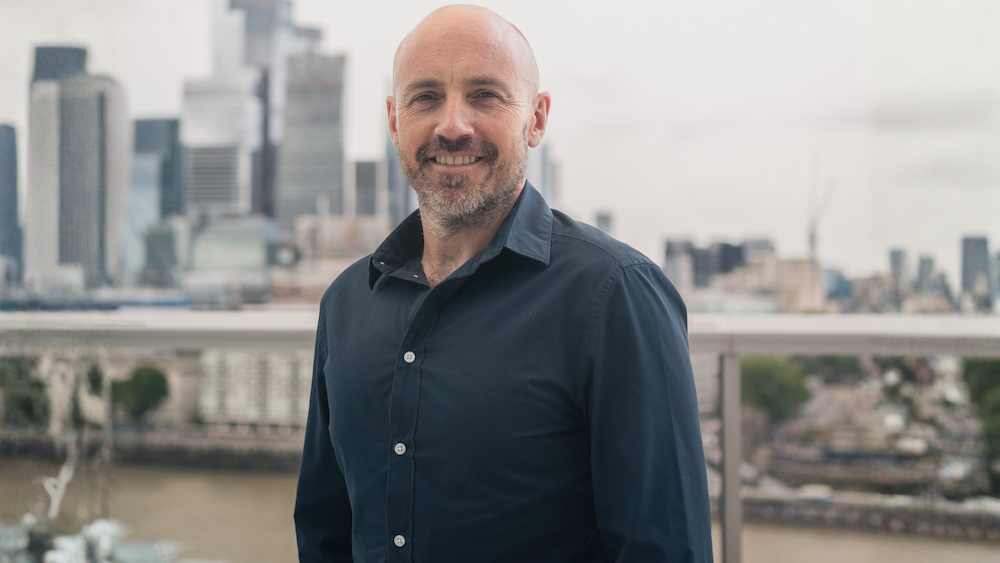
By Kyle Lunn, managing director, health, ClearCourse
AI is rapidly changing the way patients want to interact with healthcare professionals and is moving past proof-of-concept into routine clinical and administrative use.
In 2026, clinics will increasingly experiment with AI Agents and conversational AI, like chatbots and assistants, as ‘digital front doors’ for patients.

To meet the needs of different patients, however, clinics will need to really evaluate where AI can meaningfully strengthen clinical workflows and elevate the patient experience.
Outside of patient-facing AI, technology that supports automated note taking and booking systems will drastically improve workflows for clinics next year.
With approximately 180,000 patients waiting for over a year for treatment, as of August 2025, it’s clear that admin that’s managed on manual or basic systems is taking up too much of clinicians’ time, taking them away from delivering care to their patients.
At the same time, patients increasingly prefer digital-first interactions for routine care which is pushing clinics to adopt more patient-facing AI features.
But these have to be integrated with robust back-office management systems to maintain a secure and seamless service.
Next year, we’ll see more clinics prioritise their core tech infrastructure so that they can build on this with AI.
The clinics that will thrive will be the ones who adopt a system that can help automate tasks for practitioners, communicate with patients in the way they prefer and securely store data all in one place.
The defining question for 2026 isn’t “can we use AI?” but “can our AI automate tasks and help us help more people faster?”.”
Private physiotherapy will be transformed by a focus on community based care
The UK’s approach to healthcare is shifting towards more community-based models, and in 2026, technology will play a greater role in preparing both private and public clinics for this change.
This is largely being driven by strategic shifts outlined in the UK Government’s 10 Year Health Plan, which is looking to move care from hospitals to communities and primary care. In order to better connect patients with local practitioners, clinics – both private and public alike – will turn to digitally-enabled solutions like apps to provide this support.
Also, frequently as a result of long NHS waiting times, we’ve seen more patients turn to self-funded care or private insurance to access care faster.
As a result, more patients expect real-time updates about their treatment plan, easy communication with practitioners and remote services so they can access care from home.
For private physiotherapy clinics, for example, in-person sessions are increasingly being supplemented and extended through app-based exercise programmes, video demonstrations, real-time progress tracking, and different payment options that help practitioners deliver a better service, and give patients more control over their care.
In 2026, we’ll see technology like this take more of a lead role in providing continuous care in communities and supporting preventative measures to reduce pressure on hospitals.