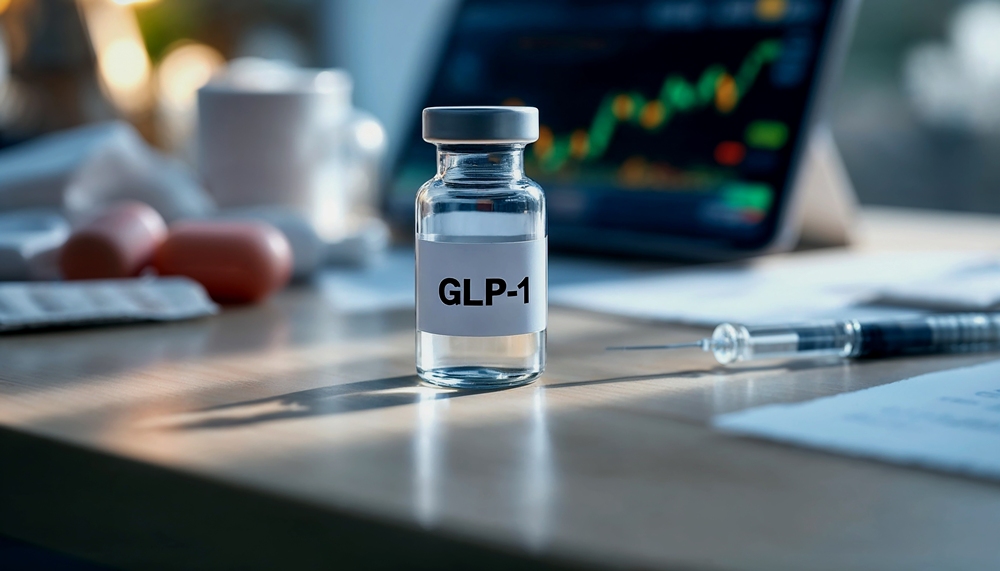
In recent years, GLP-1-based programs have gained attention for their potential in addressing chronic conditions such as obesity and type 2 diabetes. These programs involve the use of medications that mimic the action of the glucagon-like peptide-1 (GLP-1) hormone, which plays a key role in regulating blood sugar levels and appetite. As interest in GLP-1 therapies continues to grow, it’s essential to consider various factors before diving into research or deciding whether to participate in these programs. This article explores the critical considerations one should keep in mind when researching GLP-1-based programs.
Understanding the Basics of GLP-1-Based Programs
When researching GLP-1-based therapies, it is important to understand the fundamentals of how these treatments work. GLP-1 is a hormone produced in the intestines that helps to regulate insulin secretion and suppress glucagon release, which in turn helps lower blood sugar levels. It also reduces appetite by signaling to the brain that the body has had enough to eat. Medications that mimic or boost the action of GLP-1 can be beneficial in managing conditions like type 2 diabetes and obesity.
As you begin your search for more information about GLP-1 treatments, it’s important to explore trusted resources, such as The HCG Institute, which provides a wealth of information on various medical treatments, including GLP-1 therapies. This platform can offer a comprehensive overview of how these treatments work and how they might fit into a broader health management plan. Understanding the different medications available, like liraglutide, semaglutide, and exenatide, and their respective administration schedules and effectiveness is vital when considering participation in any GLP-1-based program.
Medical Considerations and Eligibility
When researching GLP-1-based programs, the first critical factor to consider is whether the program is medically appropriate for the individual. GLP-1 medications are not suitable for everyone, and it is essential to consult a healthcare provider to determine if this treatment is appropriate.
- Pre-existing Conditions: Certain pre-existing conditions such as pancreatitis, thyroid cancer, or a history of kidney disease may affect eligibility. These conditions can make the use of GLP-1 therapies risky, and a healthcare provider will need to assess the potential benefits versus the risks in these cases.
- Age and Health Status: While GLP-1 medications have been shown to be effective in treating type 2 diabetes and obesity, their use in younger populations or older adults may differ. Programs may have age restrictions or guidelines that are important to understand before enrolling.
- Combination with Other Treatments: GLP-1 drugs are often used in conjunction with other medications or lifestyle changes. It’s important to assess how these treatments interact with one another and whether they complement a broader health management strategy.
Effectiveness and Results
Another key consideration when evaluating GLP-1-based programs is understanding the potential effectiveness of the therapy. While many people have experienced positive results, individual outcomes can vary. Some users may see significant improvements in blood sugar levels or weight loss, while others may experience less dramatic effects.
- Timeframe for Results: It’s important to have realistic expectations regarding the timeframe for seeing results. Weight loss, for example, may take several months before becoming noticeable, and blood sugar levels may fluctuate as the body adjusts to the medication. Some individuals may require additional adjustments or monitoring to optimize the effectiveness of the program.
- Consistency and Lifestyle Changes: For long-term success, consistency with the prescribed regimen and commitment to lifestyle changes are essential. This includes proper nutrition, regular physical activity, and adherence to medication schedules. These factors often play a significant role in how successful a GLP-1 program will be.
Side Effects and Risks
As with any medication or therapy, GLP-1-based programs come with potential side effects and risks. These medications can cause mild to moderate side effects, but in some cases, they may also lead to more serious complications. Common side effects of GLP-1-based therapies include nausea, diarrhea, and headaches. Although rare, there have been reports of pancreatitis and other gastrointestinal issues.
- Tolerance: Not everyone tolerates GLP-1 medications the same way. Some individuals may experience side effects that diminish over time, while others may not be able to adjust to the treatment. It’s crucial to monitor how your body reacts and communicate any concerns to your healthcare provider.
- Serious Risks: For certain individuals, GLP-1-based therapies can increase the risk of complications such as thyroid cancer, pancreatitis, or kidney issues. Before beginning a program, ensure that you are fully informed about these risks and have discussed them with a healthcare provider.
Program Structure and Support
Another important aspect when researching GLP-1-based programs is understanding the structure and support available throughout the process. These programs may offer varying levels of support, from direct medical supervision to online resources and guidance.
- Medical Supervision: Some GLP-1 programs may provide regular check-ins with healthcare professionals to monitor progress, adjust dosages, and address any concerns. Medical supervision ensures that participants stay on track and receive professional advice when needed.
- Patient Education: A good program will offer resources to help patients understand the medication, side effects, and the lifestyle changes that can enhance its effectiveness. Educational support is crucial in helping participants manage their treatment and make informed decisions.
- Long-Term Support: Success in GLP-1-based programs often depends on maintaining the results achieved during the treatment. Ongoing support, such as nutritional counseling or weight management programs, can make a significant difference in sustaining progress after the initial treatment phase.
Costs and Accessibility
The cost of participating in a GLP-1-based program is an essential factor to consider. Medications like liraglutide and semaglutide can be expensive, and insurance coverage may vary based on the individual’s health plan. In some cases, people may need to explore financial assistance programs or consider alternatives if the cost is prohibitive.
- Insurance Coverage: Before committing to a GLP-1 program, verify whether the medication is covered by your health insurance provider. This can help avoid unexpected out-of-pocket costs.
- Availability and Accessibility: Ensure that the program you are researching is accessible in your location. Some medications may only be available through specific providers, while others may require traveling for treatment.
Conclusion
In summary, researching GLP-1-based programs involves understanding the medications’ effectiveness, eligibility requirements, potential side effects, and program structure. Being informed about these aspects ensures that individuals can make well-rounded decisions regarding their treatment options. It’s essential to approach the decision carefully, consulting with a healthcare provider to determine if this approach is suitable for your needs and goals. By weighing all these factors, individuals can better understand the potential of GLP-1-based programs in managing chronic conditions like diabetes and obesity.