



By Jason Ward, CEO and co-founder at EQL
For decades, our healthcare system has been structured around reactive care, with the focus on hospitals and clinics, places you go when something is already wrong.
Yet, the NHS’s recently published 10-year plan makes it clear: if we want to create a sustainable health system, we must shift our efforts towards community-based, integrated, and preventative services.
With musculoskeletal (MSK) health conditions accounting for a third of all GP visits, restructuring how and where we offer physiotherapy care could have wide-spread and profound impacts on health.
From back pain to joint injuries, MSK conditions affect millions of people in the UK and are the leading cause of years lived with disability globally.
In England, average NHS physiotherapy waiting times range from six to 18 weeks from the date of referral, long enough for many conditions to worsen or become chronic.
The next step in MSK prevention won’t come from asking people to find new ways into care; it will come from putting care where they already are.

Jason Ward
Digital access is the only way to make this truly scalable.
Smartly designed technology can help us reach people before they arrive at the hospital, providing both clinical expertise and information required to support people experiencing musculoskeletal health conditions.
Early intervention means meeting people at the first moment of discomfort, often long before they would ever book a GP appointment.
Gyms as the frontline of MSK prevention
Many MSK problems start long before someone sees a doctor. They begin in everyday life, at work, at home, and often while exercising.
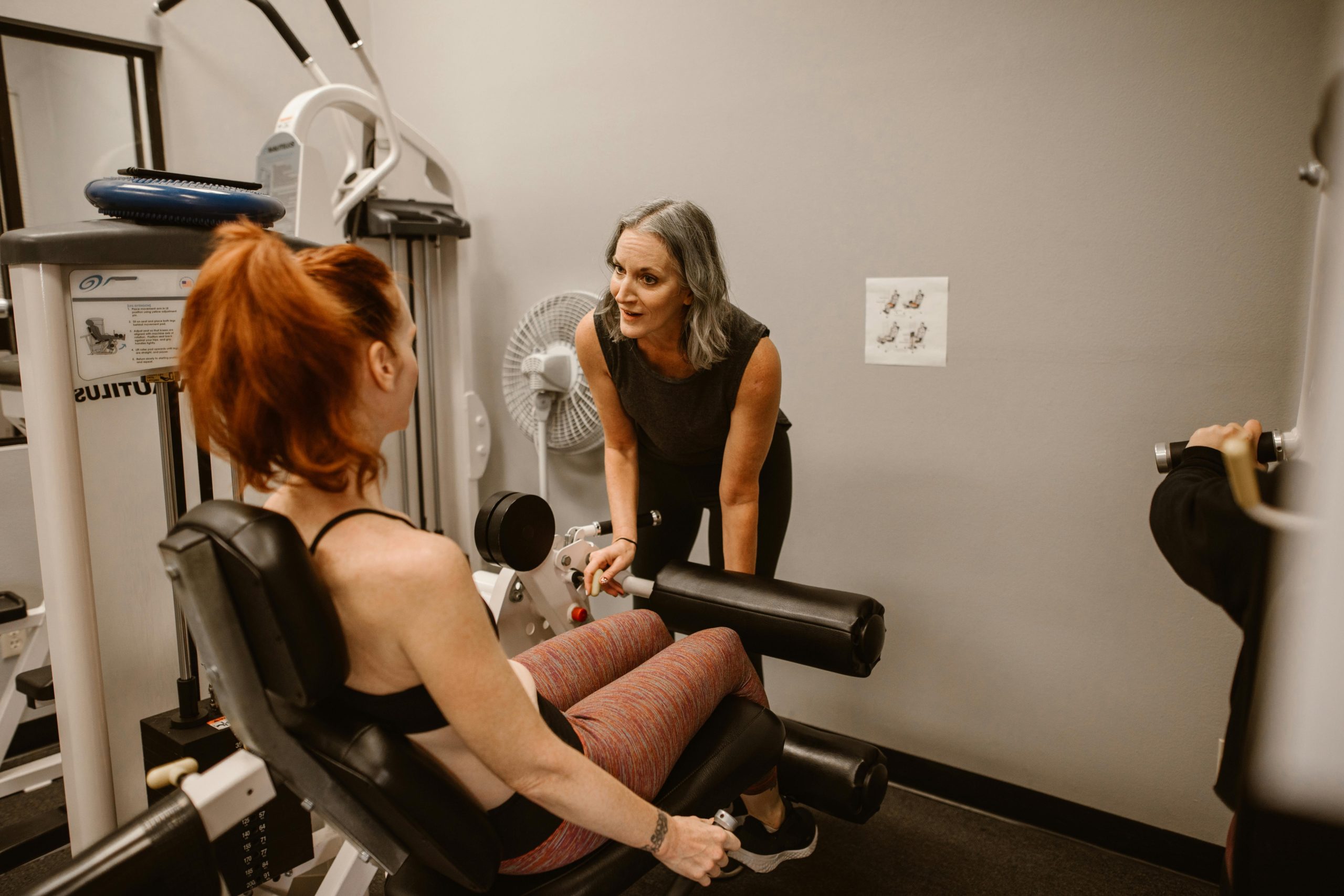
Gyms, leisure centres, and fitness classes are therefore natural hubs for early MSK intervention.
Picture this: you injure your knee during a spin class. Instead of waiting weeks for a GP appointment, you scan a QR code on the gym wall, open an app on your phone, and receive either an immediate appointment with a physio, or a clinically- guided tailored exercise programme within minutes.
Recovery could begin before you’ve even left the building.
For gym members, this bridges the gap between exercise and expert care, helping them stay active, receive fast treatment, and avoid long-term injury. For gym employees, like personal
trainers, it’s both a wellbeing enhancement and a retention tool, a way to show members that their health is supported beyond the workout itself.
And for the health system, it’s a pressure release valve, stopping minor injuries from becoming long-term conditions that require costly NHS interventions.
Although adoption of physio tech in gym is fairly new, the concept has already proven to work elsewhere.
We’ve already implemented our technology Phio, in eleven organisations in the NHS – including three Primary Care Networks, and across global insurers, giving an estimated 2.3 million registered patients the option to start physio care instantly on their phone instead of waiting for a GP.
The infrastructure and clinical validation already exist, and we can further utilise it where people need it most.
Reaching underserved communities
Access to private physiotherapy is often limited to those who can afford it, and long NHS waits can leave many without timely care.
Digital MSK support changes that equation.
As solutions like Phio can be easily accessed via a smartphone, it can be deployed in community hubs far beyond the gym, from leisure centres in deprived areas to church halls and rural libraries.
These are trusted spaces where health services can be introduced without the intimidation of a clinical setting.
With the right community health staff support, people who are less confident with technology can still access digital tools, ensuring we close – rather than widen – health inequalities.
A similar approach is crucial in countries like Australia, where vast rural and remote areas mean traditional infrastructure cannot meet demand.
There, digital-first triage is often the only viable way to reach people quickly.
The role of data: prevention powered by insight
The real power of digital MSK care lies not just in its accessibility, but in the data it generates.
Anonymised recovery data can tell a gym chain which injury types are most common among members, helping them adapt classes, invest in protective equipment, and train staff to prevent recurrence.
Local authorities can use the same insights to target funding towards exercise programmes or injury prevention workshops in the communities that need them most.
On an individual level, Phio’s algorithms can flag users who aren’t recovering as expected, ensuring they’re escalated to a clinician before their condition worsens.
The NHS alone cannot bear the weight of the UK’s MSK burden.
By partnering with major gym brands, employers, and community organisations, we can create a web of access points where people can take control of their MSK health instantly without waiting for a referral.
To truly unlock the benefits of preventative MSK care, we must:
- Embed digital MSK access into the places where people already move: gyms, workplaces, and community centres
- Ensure services are inclusive, reaching underserved and rural populations ● Use data not just to treat, but to anticipate and prevent
The NHS 10-year plan has set the ambition.
Now, technology and partnerships must make it real. Because the earlier we act, the fewer people will ever need to navigate hospital corridors at all.