



AI study links chronic illness to emotional distress in children
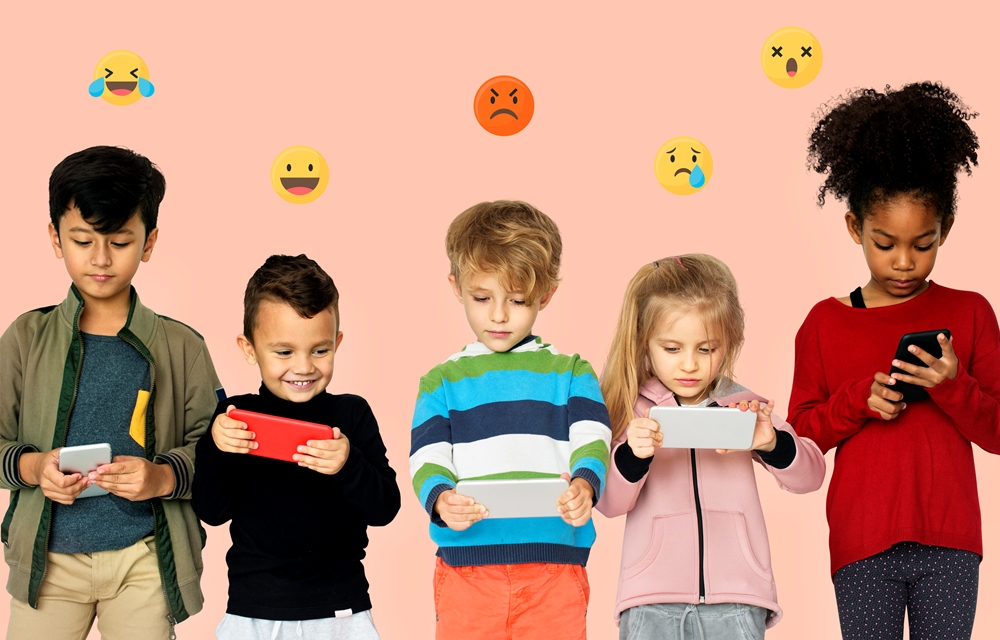
Children living with multiple long-term health issues experience severe emotional distress alongside physical challenges, according to a study that used AI to analyse their social media activity.
Researchers examined nearly 400 posts from paediatric patients and their caregivers during the COVID-19 pandemic, using artificial intelligence language models to assess emotional and psychological wellbeing.
Led by the University of Plymouth, the study reviewed anonymised data from the Care Opinion platform to understand young people’s views on their care and experiences, particularly during the pandemic.

Professor Shang-Ming Zhou said: “To our knowledge, this is the first study of its kind to analyse the sentiments and emotions of paediatric patients using social media data.
“Our findings bring to light the deeply emotional journey patients with multiple long-term health issues go through, fills a critical gap in knowledge for healthcare professionals and agencies.
“It also highlights the disproportionate emotional burden faced by paediatric patients with multiple health issues and their caregivers during the COVID pandemic, showing the need for targeted interventions to address emotional responses during public health emergencies.”
Of the comments analysed, almost 94 per cent were categorised as negative, with more than six in ten linked to sadness.
Fear was present in nearly one in six posts.
Children with conditions such as cancer, asthma, chronic pain and mental health issues showed particularly high levels of emotional strain, especially those managing more than one condition.
The pandemic appeared to intensify these emotional responses, with increases in sadness and disgust. Frustration with the healthcare system, isolation and disrupted routines were commonly cited.
While only around 6 per cent of comments were positive, these tended to focus on effective communication, compassionate care, and successful treatment outcomes.
The study was led by Zhou, with data analysis carried out by MSc data science and business analytics student Temidayo (Israel) Oluwalade, supported by Dr Hossein Ahmadi at Plymouth’s Centre for Health Technology, Dr Richard Sharpe at Cornwall Council, and Professor Lin Huo at Guangxi University.
Oluwalade, who graduated with a Distinction in 2024, said: “As I worked through the dataset, I was particularly struck by how clearly children’s emotional responses aligned with specific comorbidity patterns – for example, fear and sadness were especially dominant among those discussing multiple hospital visits or long-term medication.
“What also surprised me most was the unexpectedly high frequency of ‘satisfaction’ and ‘amazement’ in posts referencing kind staff or successful treatment episodes.
“It reminded me how digital expressions can reflect not only distress but also resilience and hope, even among young patients with complex conditions.”