


Researchers in the US have developed a model that can accurately predict how stay-at-home orders will affect the mental health of people with chronic neurological disorders such as multiple sclerosis.
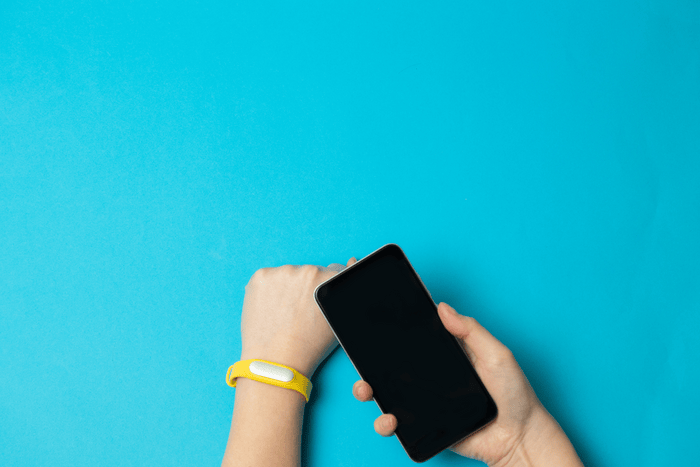
Researchers from Carnegie Mellon University (CMU), the University of Pittsburgh and the University of Washington gathered smartphone and fitness tracker data from people with MS both before and during the early wave of the pandemic.
The scientists used the passively collected sensor data to build machine learning models to predict depression, fatigue, poor sleep quality and worsening MS symptoms during the unprecedented stay-at-home period.
The blah initially sought to learn whether digital data from the smartphones and fitness trackers of people with MS could predict clinical outcomes.
But March 2020, as study participants were required to stay at home, their daily behaviour patterns significantly changed and the research team realised the data being collected could inform the effect of the stay-at-home orders on people with MS.
Mayank Goel, head of the Smart Sensing for Humans (SMASH) Lab at CMU, said:
“It presented us with an exciting opportunity.
“If we look at the data points before and during the stay-at-home period, can we identify factors that signal changes in the health of people with MS?”
The team passively gathered date over three to six month, including information such as the number and duration of smartphone calls, the participants’ location and screen activity data.
They also collected heart rate, sleep information and step count data from their fitness trackers.
The work was based on previous studies from research groups led by Goel and Anind Dey, a professor and dean of the University of Washington’s Information School.
A CMU team published research in 2020 that presented a machine learning model that could identify depression in college students at the end of the semester using smartphone and fitness tracker data.
The 138 first-year CMU students who participated in the first study, were relatively similar to each other when compared to the larger population beyond the university.
The researchers set out to find out whether their modelling approach could accurately predict clinically relevant health outcomes in a real-world patient population with greater demographic and clinical diversity, leading them to collaborate with Xia’s MS research program.
People with MS can experience several chronic comorbidities, which gave the team a chance to test if their model could predict adverse health outcomes such as poor sleep quality, severe fatigue, depression and worsening of MS symptoms.
The team now hopes to advance precision medicine for people with MS by improving early detection of disease progression and implementing targeted interventions based on digital phenotyping.
The research could also help inform policymakers tasked with issuing future stay-at-home orders or other similar responses during pandemics or natural disasters.
Goel said:
“We were able to capture the change in people’s behaviours and accurately predict clinical outcomes when they are forced to stay at home for prolonged periods.
“Now that we have a working model, we could evaluate who is at risk for worsening mental health or physical health, inform clinical triage decisions, or shape future public health policies.”
Image: Irina Shatilova