

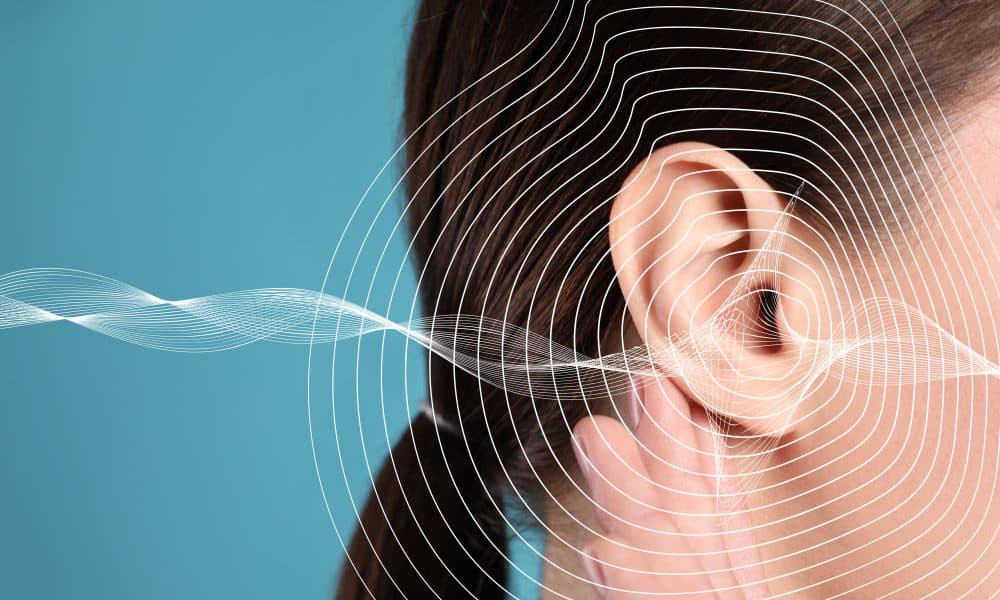
LXE Hearing is a hearing health company developing clinically-validated mobile tech for hearing care and diagnosis.
We speak to CEO and Health Tech World Awards ‘Leader of the Year’ Nic Klopper about the transformative impact of the OTC hearing tech and what it takes to lead in the health tech space.
Nic Klopper and three co-founders started HearX in 2016 as a spin-out from the University of Pretoria.
The idea was simple, if ambitious: to democratise access to hearing care by making it more affordable and accessible.
The team’s first major breakthrough came with the development of the world’s first clinically-validated smartphone hearing test.
The innovation really came into its own during the Covid lockdown.
Klopper says: “It was amazing.
“We offered curbside testing when people weren’t comfortable being in confined spaces.
“They could drive up and we would give them a pair of headphones and a tablet so they could complete the test in their car.
“We actually saved the industry during that period of time.”
HearX merged with Eargo in April this year to form LXE Hearing – an over-the-counter hearing aid company backed by a $100 million investment.
Eargo makes very small devices that sit discreetly in the ear canal. The company has a mission to create devices ‘that people actually want to wear’.
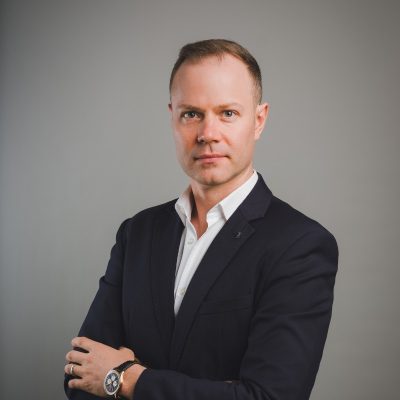
Nic Klopper
It was a natural pairing.
The merger capitalised on a new regulatory category established by the US FDA in 2022, with premium brand Lexie now stocked in 15,000 US stores.
The tech has been developed in partnership with audio tech giant, Bose.
Klopper says: “You’re getting sleek, behind-the-ear hearing aids that are rechargeable, can take phone calls and even let you speak to an audiologist through a video call.
“We also built a gamified rewards platform that incentivises users to wear their hearing aids.
“Now we have very high end invisible devices for those who are very sensitive to stigma, which is a big reason why people don’t get devices.”
Alongside stigma, prospective wearers have historically been put off by price, Klopper says.
In the US, hearing aids typically cost between $4,000 and $5,000. But by getting around the prescription model, Lexie devices can retail at $1,000-$2,000.
Credibility is also of crucial importance, Klopper adds: “The brand association with Bose was very helpful for us because it helped us establish great credibility.”
But when you’re partnering with a high end brand such as Bose, how do you stay affordable?
“It’s a constant balancing act,” Klopper says.
“Our engineers want to build the Ferrari of hearing aids, but that’s not affordable, and our marketers want the cheapest model possible.
“The sweet spot is in the middle—focusing on features that truly improve customer satisfaction.
“We leave out the bells and whistles that don’t add real value.”
But with an influx of low cost competitors entering the market, Klopper is all to aware of the importance of staying innovative.
Unsurprisingly in 2025, that includes looking at incorporating AI to enhance everything from product development to customer support.
The team also has plans to diversity their form factors to really set them apart.
Klopper says: “I live by the mantra: fail fast. You have to keep testing, learning and iterating otherwise you stop innovating.
“Data is everything. Listen to your customers, analyse your results and don’t be afraid to pivot.
“That’s the difference between a true innovator and a corporate stuck in slow motion.”