AI and mole mapping: Transforming the future of skin cancer detection

By Mr Kuen Yeow Chin, Consultant Plastic Surgeon and Founder of Apex Skin Clinic
Skin cancer remains one of the most pressing public health challenges of our time.
In the UK alone, melanoma cases have more than doubled in the past 25 years, and the numbers continue to rise.
While treatment outcomes improve significantly with early detection, the reality is that traditional skin checks can miss subtle changes.
Human eyes, no matter how experienced, are not infallible. With cancer diagnosis, it is vital to utilize clinical expertise, dermoscopy with latest technology together to achieve the most accurate and early diagnosis for patients.
This latest technology, particularly artificial intelligence (AI), is beginning to change the landscape.
At Apex Skin Clinic we have long recognised that prevention and early diagnosis are the most powerful tools in fighting skin cancer.
Mole mapping, which involves creating a detailed photographic record of a patient’s moles and monitoring changes over time, has become a vital step in that process.
Today, with the support of AI, mole mapping is evolving into a far more precise and reassuring tool for both patients and clinicians.
What is mole mapping?
Mole mapping is an advanced screening process that captures high resolution images of a patient’s skin as well as creating a complete visual record.
By comparing these images at regular intervals, dermatologists and surgeons can detect even the smallest changes in size, shape, or colour of individual moles.
For patients with a high number of moles, a family history of melanoma, or a history of sun exposure, this baseline provides an invaluable reference point.
Instead of relying solely on memory or subjective impressions, mole mapping provides hard evidence.
It helps avoid unnecessary excisions for benign lesions and, most importantly, allows clinicians to act quickly when suspicious changes appear.
However, even with the advantages of high quality imaging, there is still the question of interpretation.
Clinicians are highly trained to identify risk factors, but subtle visual changes can be missed, especially when reviewing hundreds of images. This is where AI is making a decisive difference.
The role of AI in dermatology
AI is not replacing medical expertise, but it is providing an additional layer of analysis.
Algorithms trained on millions of images can highlight patterns that may otherwise go unnoticed.
These systems can detect early signs of atypical changes, giving clinicians an alert to investigate further.
In practice, this means that a patient returning for a follow up scan may have their images compared not only against their own baseline but also against vast datasets of skin lesions worldwide.
The AI software can flag moles that show a concerning trajectory of change, allowing the clinician to prioritise them for closer examination.
The impact of this technology is profound. It improves diagnostic accuracy, reduces human error, and supports more confident clinical decision making.
For patients, it means greater peace of mind, particularly for those who may be anxious about their risk of skin cancer.
Why it matters for patients
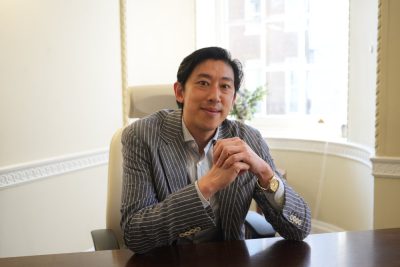
Mr Kuen Yeow Chin
The earlier melanoma is detected, the better the outcome.
Five year survival rates for early stage melanoma are above 90 per cent, but this drops sharply once the disease progresses.
AI supported mole mapping can help detect signs suggestive of premalignant and malignant changes at the earliest possible stage, when treatment is most effective and least invasive.
For patients, this is not just about survival statistics. It is about reassurance.
Knowing that their skin is being monitored with the latest technology can ease the psychological burden of uncertainty.
It also reduces the likelihood of unnecessary biopsies and scars from excising harmless moles.
From a public health perspective, the adoption of AI in mole mapping can also reduce costs associated with late stage cancer treatment.
Early diagnosis not only saves lives but also reduces the strain on healthcare systems.
A clinician’s perspective
As a plastic surgeon with a special interest in skin cancer, I have witnessed the profound difference early detection can make.
Too often, patients present with advanced melanoma that could have been prevented if changes had been caught earlier.
This is one of the reasons I established Apex Skin Clinic. I wanted to create an environment where prevention and vigilance are at the forefront of care.
The integration of AI into mole mapping is one of the most significant innovations I have seen in this field. It does not replace the expertise of the clinician, but it strengthens it.
Just as radiologists use computer aided detection to improve the accuracy of breast cancer screening, dermatologists and surgeons now have a powerful ally in AI.
At Apex we see this as a partnership between technology and medical judgment. The clinician remains the decision maker, but AI ensures that fewer warning signs are missed.
Patients can be reassured that they are receiving care that combines human expertise with cutting edge technology.
The future of AI in skin health
Mole mapping is only the beginning.
The same technologies being applied to monitor moles may soon help in other areas of dermatology, from analysing rashes to predicting how wounds will heal.
As datasets grow and algorithms become more refined, AI will continue to enhance the accuracy and speed of diagnosis.
There are still important discussions to be had about regulation, ethical use of patient data, and ensuring equitable access to these technologies.
But the trajectory is clear: AI is becoming a central part of modern healthcare.
Conclusion
The fight against melanoma depends on our ability to detect it early.
Mole mapping, supported by AI, represents a major step forward in achieving this goal. For patients, it means greater reassurance and better outcomes.
For clinicians, it means stronger support in making critical decisions.
As with any technological advance, success lies in how it is integrated into practice.
At Apex Skin Clinic, our focus is on harnessing AI as a tool to enhance, not replace, the expertise of skilled clinicians.
By bringing together human judgment and technological precision, we can transform the future of skin cancer detection.
About the author
Mr Kuen Yeow Chin is a Consultant Plastic Surgeon and founder of Apex Skin Clinic in Berkshire.
He specialises in skin cancer diagnosis, reconstruction, and aesthetic surgery, and is committed to advancing early detection through the integration of technology and patient-centred care.
Mr Chin also runs a dedicated private practice in reconstructive and aesthetic surgery, where he combines surgical expertise with a focus on safety and innovation.
Learn more at www.kchinplasticsurgery.com.