


Advancing neurostimulation: The impact of smaller batteries on implanted devices

By John Tinson of Ilika Technologies
Neurostimulation technology is a rapidly evolving field of medicine which has the potential to transform management of chronic pain, neurological disorders and psychiatric conditions.
Implanted neurostimulation devices, such as spinal cord stimulators, deep brain stimulators and Vagus nerve stimulators work by delivering targeted electrical impulses to specific neural structures.

Use of stimulators improves our understanding of the peripheral nervous system which in turn enables greater precision and efficacy from increasingly complex stimulation sequences creating a virtuous cycle
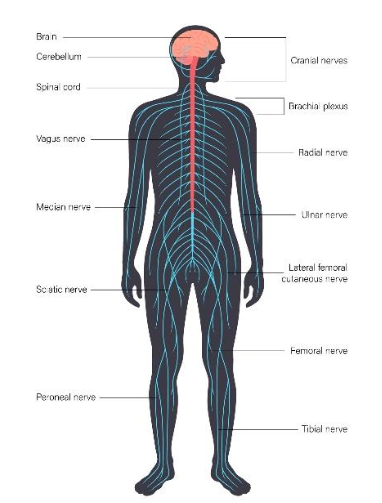
Figure 1: Human nervous system
The size and longevity of batteries in devices has been a significant technological barrier to improving the sophistication of therapies. Recent developments in battery miniaturization and efficiency look set to have a profound impact on the design and performance of implanted medical devices, as well as patient experience. This article explores how smaller batteries can enhance the functionality and outcomes of neurostimulation technology, and address remaining engineering and clinical challenges.
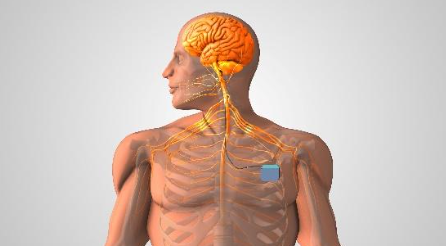
Figure 2 Vagus Nerve Stimulator implanted in chest
The Evolution of Battery Technology in Neurostimulation Devices
Implanted neurostimulation devices rely on batteries to provide a stable, long-lasting source of power for the delivery of electrical impulses. Traditionally, these batteries were bulky, limited in lifespan, and required surgical replacement (explant) when depleted, posing significant challenges for both patients and healthcare providers. Early devices used primary (non-rechargeable) lithium batteries, which provided relatively stable voltage but had limited capacity and required surgical replacement every three to five years. The more recent use of rechargeable lithium-ion batteries marked a step forward, allowing for smaller device profiles and longer periods between implant and explant. However, rechargeable systems introduced new challenges, such as the need for regular inductive recharge, in some cases centimetres inside the body. With charge times measured in hours charging required medical supervision.
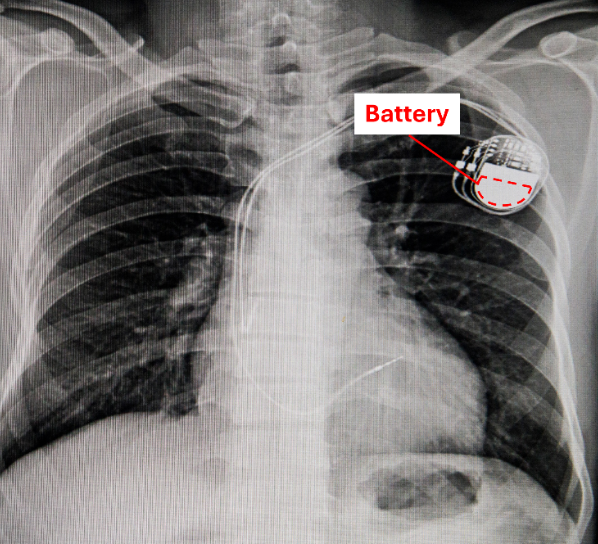
Figure 3 Traditional medical implant with large battery
Despite these limitations, the benefits of rechargeable batteries, including reduced surgical interventions and improved patient comfort, spurred further innovation in battery miniaturisation.
Recent developments using traditional chemistries and new solid state cell technology were evident at this year’s MD&M West Medical Technology Show, both on the exhibition floor and at the associated battery conference event.
Traditional lithium-ion chemistries have been successfully shrunk into mm-scale packaging but the time taken to recharge and the ability to extract bursts of higher rate power (to power pulses and wireless signals) has been a harder challenge.
Next-generation cell chemistries such as solid state can address this. A key benefit of fast (15 minute) recharge is the ability to perform this at home without medical supervision. A very small battery may require a high frequency of recharge, perhaps even daily, similar to mobile phones.
The Impact of Smaller Batteries on Device Design and Functionality
Smaller batteries will have a profound impact on the design and functionality of implanted neurostimulation devices.
In the last 25 years, electronic components first shrank individually and then began to appear in both analogue and digital form on a single chip. With complex chip sizes measured in mm2, this should have enabled an overall medical device shrinkage. Yet device sizes changed very little.
This was because 80 per cent of the overall enclosures consisted of the battery and any shrinkage in other components was simply used to enable a larger battery area.
Reducing battery size allows for smaller overall device footprints, which in turn enables more flexible placement within the body.
For example, spinal cord stimulators traditionally required relatively large subcutaneous pockets for implantation, limiting placement options and increasing the risk of discomfort or surgical complications.
Smaller batteries allow for more streamlined device profiles, improving both aesthetic and functional outcomes. The reduction in device size directly improves patient comfort, as smaller devices are less likely to cause irritation or tissue pressure.
Moreover, lighter devices reduce the sensation of carrying an implanted object, enhancing overall patient mobility and quality of life. The reduced time and complexity of implanting a smaller device can increase surgical throughput, with the added benefit of reducing insurance and healthcare costs.
As well as improved patient care and reduced healthcare costs, we can expect to see enhanced efficacy.
Small batteries with high power capability and an ability to recharge quickly will enable more sophisticated stimulation protocols, including closed-loop and adaptive neurostimulation.
These approaches rely on real-time feedback from neural activity to adjust stimulation parameters dynamically, requiring consistent and reliable power delivery.
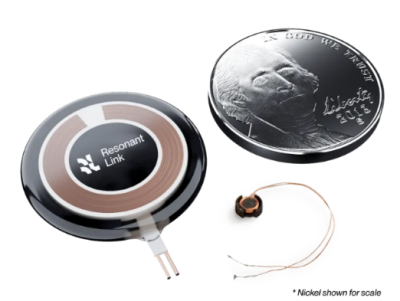
Figure 4 Miniature inductive charger by © Resonant Link Medical
Alongside improvements in battery technology, wireless battery charging is also moving forward. Highly focussed inductive and ultrasound charging, able to penetrate centimetres into body tissue without creating hot spots during rapid charge, is a challenge being met.
This was in evidence at MD&M last month. Where energy and power levels are low, such as in sensing and measurement devices placed inside the body, there is a real opportunity to deploy energy harvesting MEMS (Microelectromechanical Systems) based components.
Continuous energy drawn from the body via heat or movement can be used to trickle charge a high power solid state battery and in turn, a wireless communication chip and sensor package.
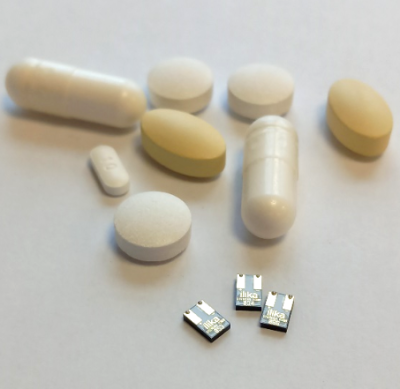
Figure 5 Stereax microbatteries shown with medical pills for scale
Summary of clinical benefits and overall impact on healthcare
-
Reduced surgical risk and frequency
The need for battery replacement surgery has long been a significant drawback of implanted neurostimulation devices. Smaller, higher-capacity batteries increase the time between replacements, reducing the cumulative risk associated with multiple surgical interventions. This is particularly relevant for patients with complex medical histories or those who are at high risk of surgical complications.
-
Improved treatment outcomes
Enhanced battery efficiency allows for more consistent and precise stimulation, which translates to improved symptom control and patient outcomes. For example, in the treatment of chronic pain, stable and adaptive neurostimulation enabled by smaller batteries can result in more reliable pain relief and reduced opioid dependence.
-
Expanded patient eligibility
The reduction in device size and improved battery performance open the door for new patient populations to benefit from neurostimulation. Patients who were previously excluded due to anatomical constraints or surgical risks may now be candidates for treatment with smaller, more efficient devices.
-
Enhanced patient experience and compliance
Smaller batteries and wireless charging capabilities reduce the burden on patients, leading to improved compliance with therapy and higher patient satisfaction. Devices that require less maintenance and fewer adjustments are more likely to be used consistently, improving long-term therapeutic success.
Future directions
The trend toward smaller, more efficient batteries is expected to continue, driven by ongoing advances in material science, nanotechnology and energy storage. Solid state battery technology in particular looks set to have a significant industry-wide impact over the next ten years, whilst combining this with a new generation of body-powered harvesting will open completely new doors in continuous in-body sensing.
Conclusion
The miniaturisation of batteries for implanted neurostimulation devices is a pivotal advancement in medical technology. Smaller batteries enhance device design, improve patient comfort, extend device longevity, and enable more sophisticated stimulation protocols. While engineering and regulatory challenges remain, the potential for improved patient outcomes and expanded treatment options underscores the transformative impact of this technology. As battery technology continues to evolve, the future of neurostimulation holds promise for more effective, patient-friendly therapies and broader clinical applications.
John Tinson, is VP sales and marketing at Ilika Technologies