



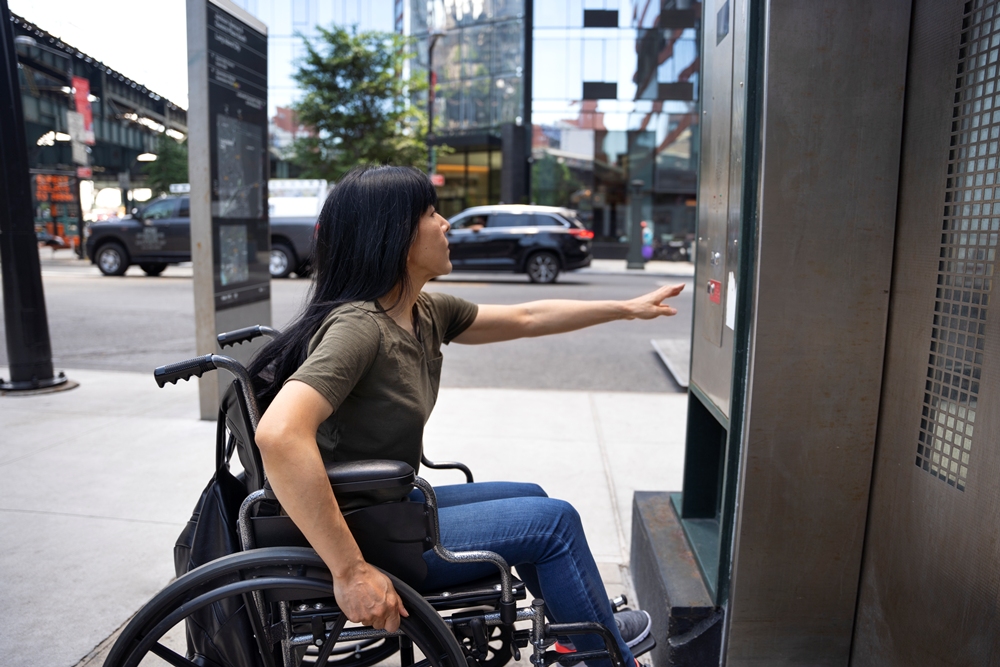
Daily travel should be a manageable task for everyone. Yet for individuals with limited mobility, something as simple as popping to the shops or visiting a friend can become a stressful and physically demanding process. With age or illness, movement can become more restricted, affecting independence and making once-routine activities feel like insurmountable challenges.
Fortunately, the landscape of mobility support has shifted significantly in recent years. Thanks to continued improvements in assistive devices, individuals now have access to practical tools that help them regain control over their daily routines. Among the most popular and transformative of these tools are mobility scooters, versatile, adaptable and suitable for a wide range of personal needs.
Supporting Independence with Everyday Mobility
When mobility becomes limited, even short local trips can feel like a major undertaking. For those who live alone or have minimal assistance at home, this can lead to growing isolation and a decrease in quality of life. Many individuals hesitate to ask for help too frequently and end up avoiding necessary outings altogether.
Mobility scooters help reverse this pattern. These vehicles are designed to allow users to move independently, often enabling them to resume errands, leisure activities and appointments with minimal support. From a social perspective, participating in community life is incredibly valuable, and mobility scooters are a vital tool in making that possible.
Choosing from a range of high performance scooters for all journeys allows users to match their mobility support to their lifestyle. Whether navigating paved city centres, residential neighbourhoods or more rural paths, there are scooters designed for the task. Many models offer excellent range, reliable battery performance and smooth handling for comfort and confidence across different environments.
How Mobility Limitations Affect Everyday Life
Loss of mobility impacts more than just physical movement. Everyday tasks such as food shopping, going to the post office or attending appointments can require extra planning and effort. Without the right tools, people may depend heavily on carers or family, reducing their personal freedom and placing additional pressure on support networks.
Physical inactivity, often a by-product of mobility challenges, can lead to secondary health complications including joint stiffness, muscle weakness and fatigue. Individuals who stay home more frequently may experience reduced appetite, decreased alertness and a loss of routine, all contributing to overall health decline.
Mental well-being is equally affected. Limited mobility often leads to isolation, which in turn increases the risk of low mood, reduced confidence and anxiety. Having a reliable means of transport is practical and essential for maintaining regular contact with others, attending events, or simply enjoying the outdoors.
Mobility scooters help address these issues by enabling users to maintain independence. With suitable support, people are more likely to stay active, connected and engaged in their surroundings.
Choosing the Right Scooter for Your Needs
Selecting the right mobility scooter starts with understanding the user’s environment and daily habits. Someone living in a city flat may benefit from a compact, folding model, while someone in a rural area may require a more robust, road-capable option.
Scooters generally fall into categories such as pavement models, road-legal models and folding designs. Pavement scooters are ideal for footpaths and pedestrianised areas. They are smaller, lighter and have a top speed of 4mph. Road-legal models can reach speeds of up to 8mph and are equipped with features like lights and indicators. These models are suitable for mixed-use journeys and must be registered with the appropriate authorities.
Folding scooters are designed for portability and can fit into car boots or be taken on public transport. They are especially useful for individuals who combine their scooter use with car journeys or need easy storage in limited space.
Weight capacity, battery life, and terrain capability should also guide the decision. Some models can travel over 20 miles on a single charge, while others offer quick-charge functions to reduce downtime. Depending on the user’s lifestyle, storage capacity and seat comfort may also be priorities.
Mobility Scooters and Health Outcomes
Mobility scooters provide a real opportunity for health maintenance and improvement. By allowing users to move more frequently and independently, these aids can reduce the risk of inactivity-related complications.
Regular outings promote better circulation, improved digestion and more consistent routines, all contributing to long-term health. Furthermore, users often report fewer missed appointments and greater compliance with healthcare routines once they can access personal transport.
Falls are a common concern among those with reduced mobility. Scooters help reduce the likelihood of falls and their associated injuries by minimising the need to walk long distances on uneven surfaces.
Digital Advancements and Safety Features
Today’s mobility scooters offer more than just movement. They come equipped with modern features that enhance usability and security. Some models include GPS functionality, allowing caregivers or family members to check location details for added peace of mind.
Others provide digital dashboards, speed limiters and battery health indicators. These tools help users monitor usage and avoid becoming stranded mid-journey. With user-friendly interfaces and alert systems, these scooters offer a reliable and safe way to travel around local areas.
Advanced lighting, brake systems, and suspension features also improve comfort and visibility, making trips smoother and more secure. Tactile controls and visual alerts are also available for individuals with vision or hearing impairments.
Access, Availability and Responsible Buying
Mobility scooters are available through several routes. Some individuals may be eligible to access equipment through healthcare channels, though this usually requires a clinical assessment and may involve a waiting period.
Others choose to buy or lease scooters through accredited mobility providers. Many suppliers offer trial periods or in-home assessments to help users find the right fit. Ensuring that providers follow best-practice standards is essential for safety and long-term satisfaction.
Consumers should be cautious about buying from unregulated sellers. Reputable providers always carry industry certifications and can demonstrate compliance with national safety and accessibility standards.
Building Confidence Through Reliable Mobility
Mobility challenges need not limit access to daily life. With the right support, people can maintain autonomy, social connection and physical health. Mobility scooters represent more than just a practical solution; they offer an opportunity to regain confidence and independence.
The key is to focus on comfort, functionality and suitability, ensuring each journey, however short or routine, can be taken with ease and peace of mind.