



Research

By Sharon Hanley, director of Primary Care, X-on Health General practice is operating under unsustainable pressure, it has long been the front door to the NHS, but despite the introduction of tools such as digital and AI automations designed to assist GPs, the weight of demand is intense. Rising patient need, widening inequalities, and a [...]
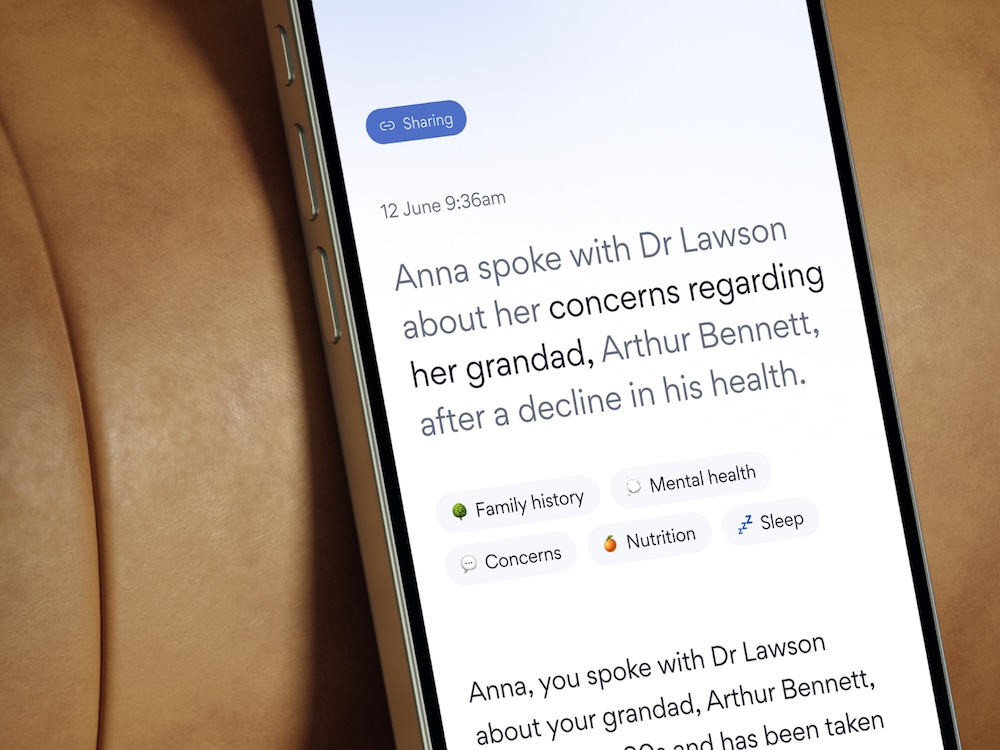
UK digital health innovator Aide Health has launched Mirror, the UK’s first AI-powered scribe for patients, tackling the widespread problem of medical advice being forgotten or misunderstood after appointments. Research shows up to 80 per cent of medical details are forgotten immediately, and of the small amount remembered, nearly half is recalled inaccurately. This problem [...]

Researchers have developed a nanoparticle-based cancer vaccine that prevented melanoma, pancreatic and triple-negative breast cancers from spreading in mice. Scientists at the University of Massachusetts Amherst found the vaccine could both shrink and eliminate cancer tumours in rodents, as well as act preventively. The experimental jab kept up to 88 per cent of vaccinated mice [...]
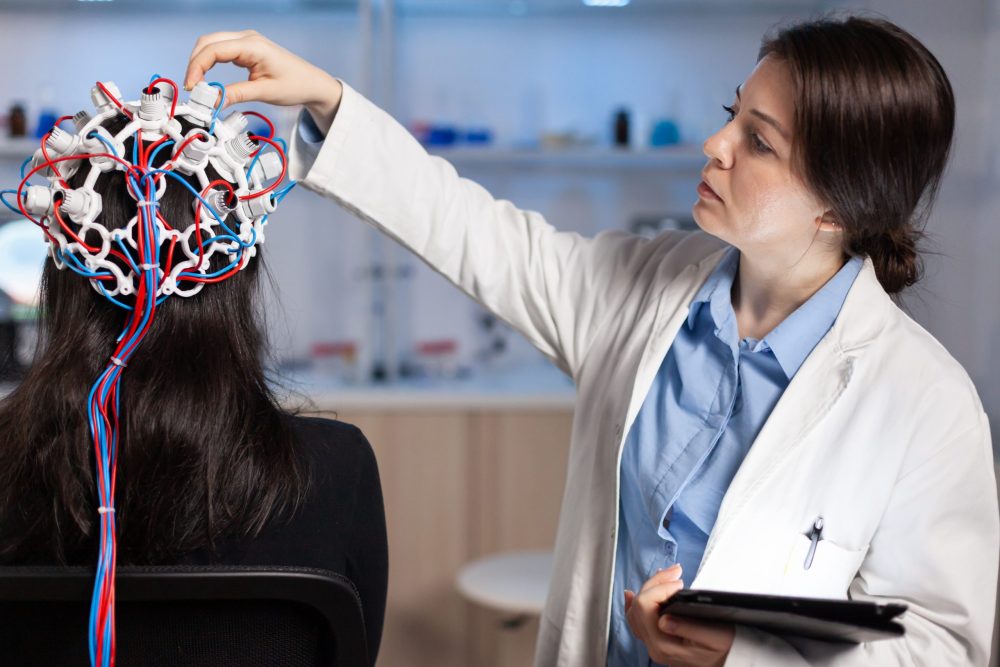
UK researchers have mapped how anxiety develops in the brain during no-win situations, paving the way for improved diagnosis and treatment. The University of Plymouth research identified specific brain patterns that appear during “avoid-avoid conflict” – when a person must choose between two unpleasant options. Using EEG (electroencephalography), a test that tracks electrical activity in [...]
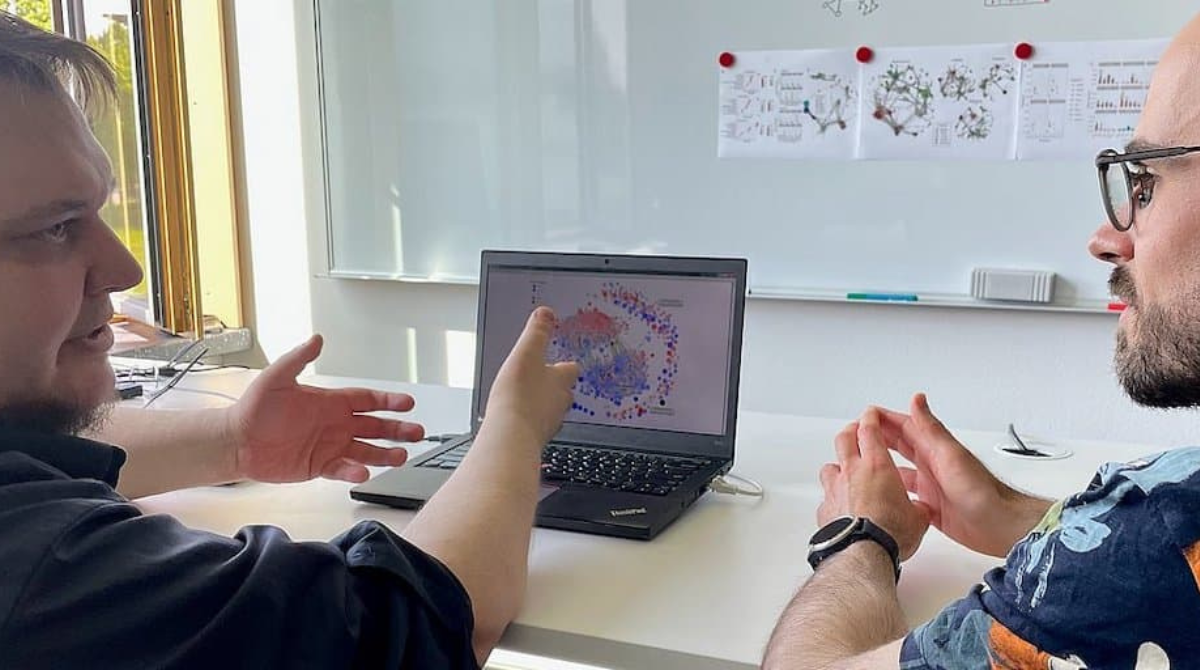
A mobile app can improve the symptoms of one of the common mental health problems in students - even with limited engagement - according to University of Manchester researchers. The app, called Cerina, uses the principles of cognitive behavioural therapy to treat Generalised Anxiety Disorder (GAD) - which affects a significant number of students, studies [...]

Scientists have grown embryo-like structures in the laboratory that produced human blood cells, raising new possibilities for regenerative medicine. The discovery could one day enable patients who need bone marrow transplants to receive cells grown from their own tissue, avoiding compatibility issues. The embryo models were made from stem cells, without using eggs or sperm, [...]

The World Health Organization has launched version 2.0 of its Epidemic Intelligence from Open Sources (EIOS) system, incorporating artificial intelligence to enhance early detection of public health threats. The upgraded EIOS system, used by more than 110 member states and around 30 organisations and networks globally, analyses large volumes of publicly available data in near [...]

Artificial intelligence in healthcare could create complex legal challenges over who is responsible when medical failures occur, experts have warned. A new report raises concerns about who is accountable if patients are harmed by AI systems, along with issues such as limited effectiveness testing. The technology is being developed for clinical uses, including scan interpretation [...]

The UK government has announced £50m in funding for mental health research that will place people with lived experience at the centre of developing new treatments. The Mental Health Goals programme aims to speed up the development of new medicines, technologies and therapies for conditions affecting one in four people in England. Poor mental health [...]

A potential new treatment target for Alzheimer's disease has been identified after a novel technique improved cognitive function in mice with the condition. Alzheimer's disease is thought to result from the abnormal build-up of proteins in and around brain cells. One of these proteins, amyloid, forms plaque around the cells. In an early study, researchers [...]