



Research

Health Tech World reports on the groundbreaking work underway at the UK's Wilton Centre.

A UK study, led by researchers at the MRC Laboratory for Molecular Biology, has produced the first 4D map of healthy human brain temperature. This map overturns several previous assumptions and shows the remarkable extent to which brain temperature varies by brain region, age, sex and time of day. Importantly, these findings also challenge a widely held belief that [...]
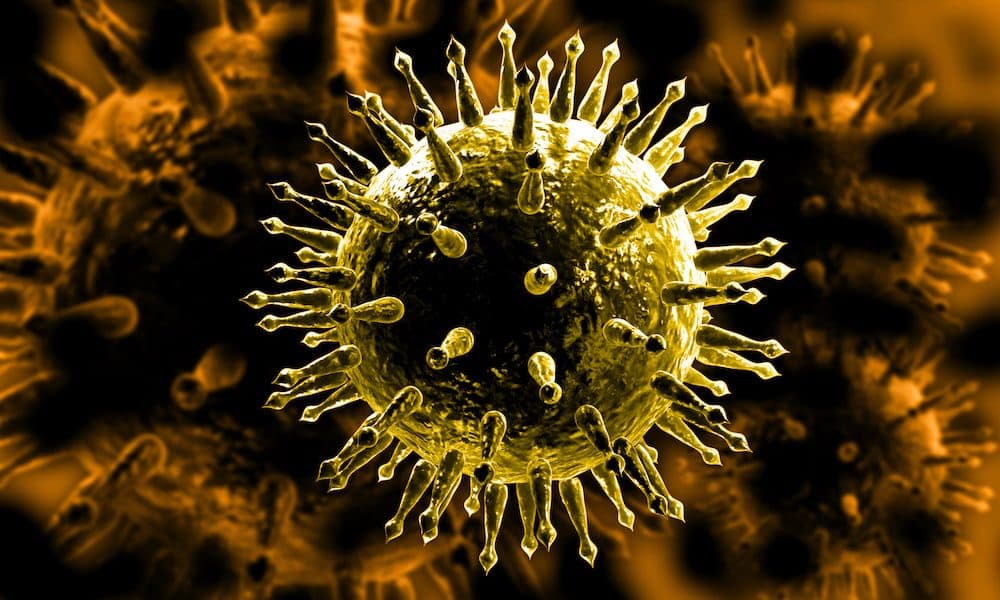
Researchers have developed a fluorogenic probe that can bind to the promoter region of the influenza A virus RNA in order to quickly detect the presence of the virus. The technique was presented in a paper published on May 23 in Analytical Chemistry. "The research group demonstrated the selective fluorescence response of the conjugate for [...]

With the accelerating evolution of technology, artificial intelligence (AI) plays a growing role in decision-making processes. Humans are becoming increasingly dependent on algorithms to process information, recommend certain behaviours, and even take actions of their behalf. A Japanese research team has studied how humans react to the introduction of AI decision making. Specifically, they explored [...]
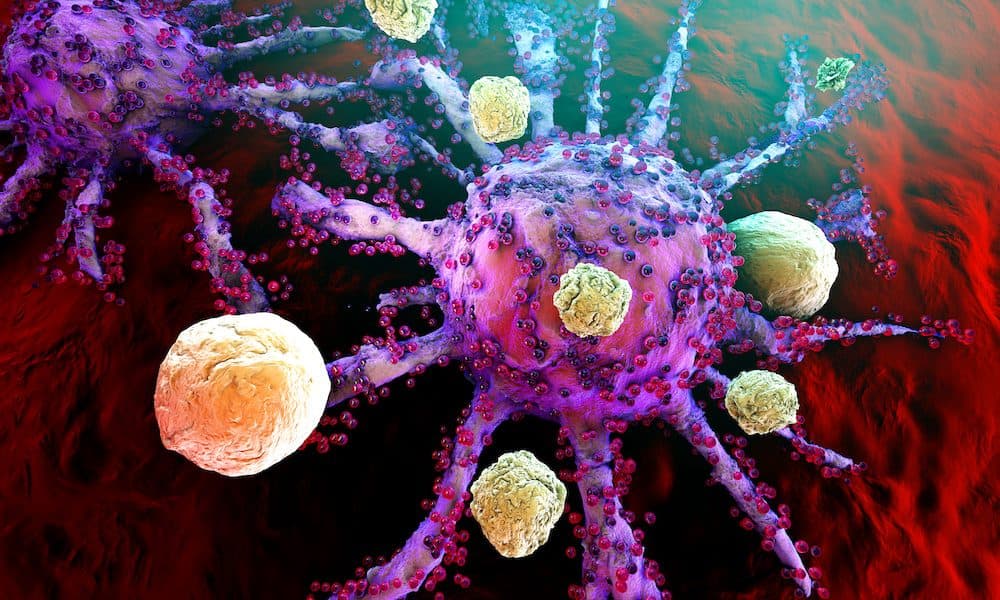
Before a patient can undergo T cell therapy designed to target cancerous tumours, the patient’s entire immune system must be destroyed with chemotherapy or radiation. The toxic side effects are well known, including nausea, extreme fatigue and hair loss. Now a research team has shown that a synthetic IL-9 receptor allows those cancer-fighting T cells [...]
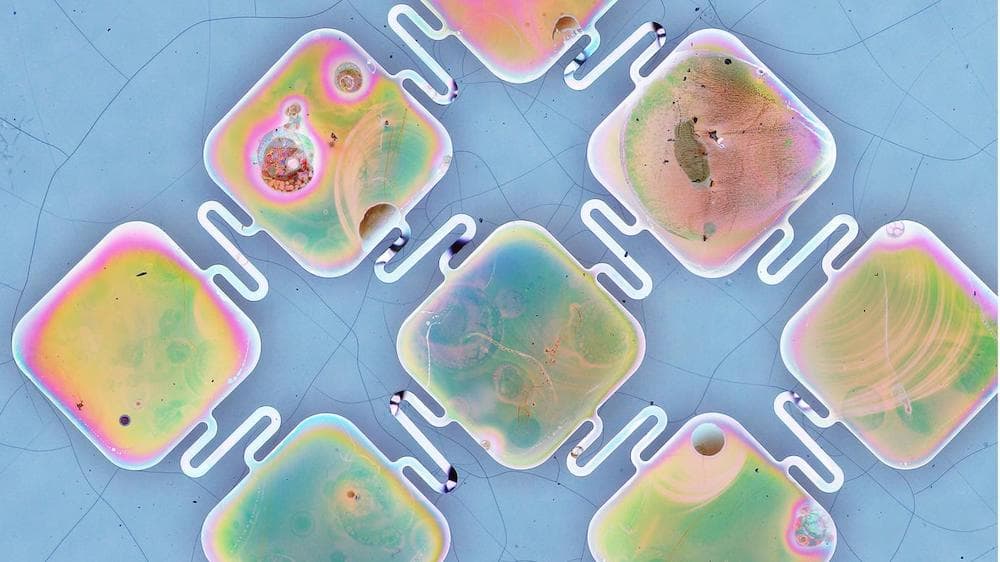
Holes help make sponges useful. Without holes, they would not be flexible enough to bend into small crevices. In a new study, University of Chicago scientists have found that holes can also improve technology, including medical devices. Published in Nature Materials, the paper describes an entirely new way to make a solar cell: by etching [...]

A team of scientists has used nanotechnology to formulate a novel vaccine which shows high efficacy in the treatment of solid tumours. In research the vaccine achieved complete clearance of solid tumours and induced long-lasting immune memory preventing the relapse of growth and providing immunity against similar tumour types. The study was led by Narat Muzayyin, Chair Professor Chen Xiaoyuan [...]

A new tool can quickly and reliably identify the presence of Ebola virus in blood samples, according to a US study. The technology, which uses optical microring resonators, potentially could be developed into a rapid diagnostic test for the deadly Ebola virus disease, which kills up to 89 per cent of infected people. The study, [...]
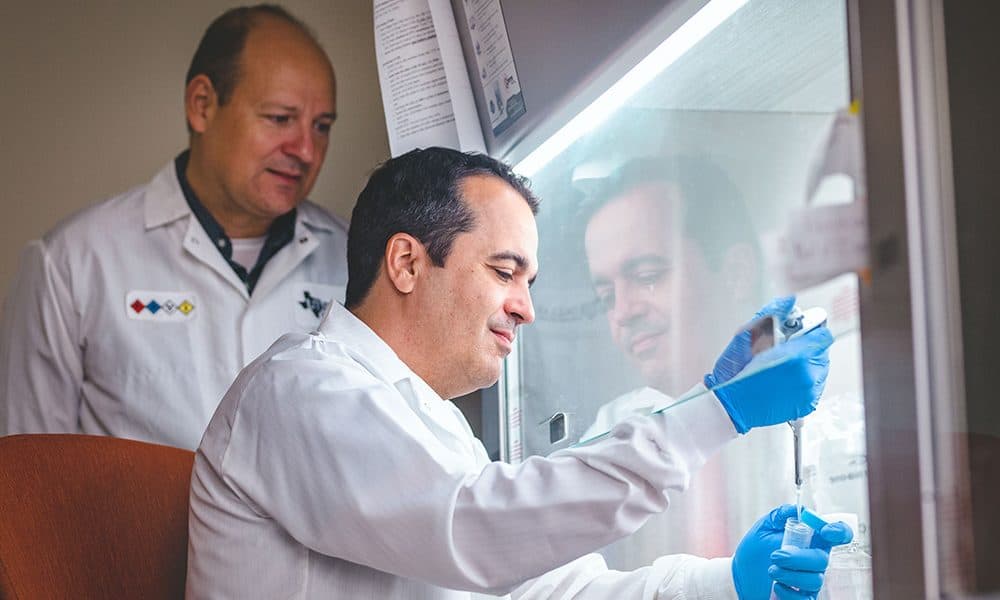
Advances in synthetic biology and genome editing have led to a growing industry to develop customised cell lines for medical research. These engineered cell lines, however, can be vulnerable to misidentification, cross-contamination and illegal replication. A team of University of Texas at Dallas researchers has developed a first-of-its-kind method to create a unique identifier for [...]

A group of scientists in Japan have developed a computational DNA droplet that can recognise specific combinations of chemically synthesised microRNAs (miRNAs) which act as biomarkers of tumours. Using these miRNAs as molecular input, the droplets can give a DNA logic computing output through physical DNA droplet phase separation. The findings of Professor Masahiro Takinoue [...]