



Research
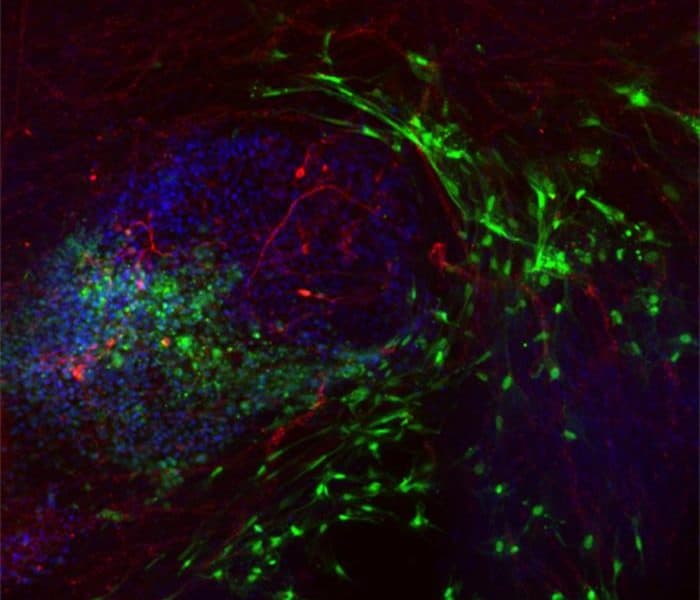
A new study led by researchers at UCL and the University of Sheffield has demonstrated the potential of stem cell therapy to treat Hirschsprung disease. Hirschsprung disease is a rare condition where some nerve cells are missing in the large intestine. This means the intestine doesn’t contract and can’t move stool, meaning that it can [...]

Researchers believe they have taken a step forward in harnessing a promising Ovarian cancer treatment option that, to date, has been limited by its toxicity and emerging drug resistance. Ovarian cancer, often diagnosed at an advanced stage, presents significant treatment challenges because patients tend to develop resistance to conventional therapies quickly. Despite aggressive treatment, recurrence [...]

The structural and functional organisation of the brain as shown on MRI can predict the progression of brain atrophy in patients with early-stage, mild Parkinson’s disease, according to a study. Researchers wanted to see if mapping the structural and functional connections across the brain could be used to predict patterns of atrophy spread in patients [...]

A teenager who is the first patient to take part in a clinical trial to use deep brain stimulation (DBS) to treat epilepsy has seen his daytime seizures reduce by 80 per cent. Oran, who had been having severe epileptic seizures for eight years and often needed resuscitation, was the first child in the UK [...]

A new tablet form of ketamine has shown promise in treating severe depression, offering a potential alternative to expensive clinic-based treatments. Unlike the injectable and nasal spray alternatives that require clinicians to monitor patients for two hours while side effects subside, the slow-release tablet form can be taken safely at home without medical supervision and [...]

Building upon his previous nanoparticle research, Xiaohu Xia has received a National Institutes of Health grant to further enhance the sensitivity and accuracy of enzyme-linked immunosorbent assay (ELISA) testing to screen for cancers and other diseases. University of Central Florida Department of Chemistry Associate Professor Xiaohu Xia recently received a $1.3 million R01 grant from [...]

Scientists have discovered a new piece of the puzzle in understanding why some people are more susceptible to Alzheimer’s disease. The new research has revealed how a risk gene called apolipoprotein E (APOE) interacts with a protein known as amyloid-beta (Aβ), and how this interaction affects the likelihood of developing Alzheimer's disease. The higher-risk APOE4 [...]

New international research led by a team at University of California San Diego School of Medicine has demonstrated the potential of tirzepatide, known to manage type 2 diabetes, as the first effective drug therapy for obstructive sleep apnoea (OSA). The sleep-related disorder characterised by repeated episodes of irregular breathing due to complete or partial blockage [...]

Scientists have discovered a new cause of why people who lack a specific blood group are genetically predisposed to be overweight or obese. A team of international researchers, led by the University of Exeter, discovered that people with a genetic variant that disables the SMIM1 gene have higher body weight because they expend less energy when at [...]
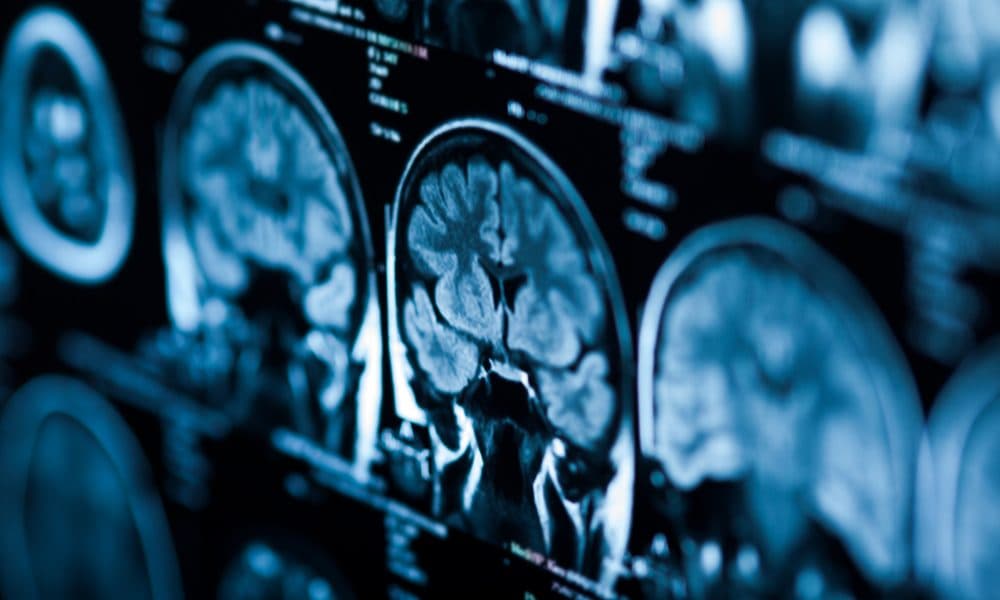
Drugs developed to combat HIV and AIDS are being trialled for the first time in patients with multiple brain tumours. Scientists at the Brain Tumour Research Centre of Excellence at the University of Plymouth are conducting a clinical trial to see whether using anti-retroviral medications, Ritonavir and Lopinavir, could help people with Neurofibromatosis 2 (NF2). [...]