



Research

Researchers have unveiled what they believe is a new approach to drug discovery that could revolutionise how we understand and treat diseases. Their recent commentary explains the limitations of studies using traditional mouse models and proposes using genetically diverse mice and mouse and human cells to better predict human responses to drugs and diseases. For decades, [...]

Researchers at a South Korean university have conducted research into electrical stimulation to suppress appetite, offering a potential new treatment for people with obesity. Metabolic syndrome involved multiple metabolic abnormalities, including obesity, high blood pressure, and high triglycerides, and isd often caused by poor diet and lack of exercise. According to the World Health Organization [...]

A new study has identified genetic predictors of relapse in a common childhood leukaemia - the standard risk B-cell acute lymphoblastic leukaemia (SR B-ALL) - underscoring the importance of genetic testing for tailoring therapy for patients. The identification of genomic predictors of relapse in SR B-ALL provides a basis for improved diagnosis, precise tailoring of [...]

Engineers at the University of California, Berkeley, have created prototype earbuds that can detect the signs of drowsiness in the brain. The earbuds detect brain waves in the same way as an electroencephalogram (EEG), a test that doctors use to measure electrical activity in the brain. While most EEGs detect brain waves using a series [...]

A new tool to track the neurons and molecules activated in the brain by psychedelic drugs could help scientists unlock the benefits of psychedelic treatments for patients with brain disorders. There has been mounting interest in the value of psychedelic-inspired compounds as treatments for brain disorders including depression, post-traumatic stress disorder and substance use disorder. [...]

The results of routine blood tests could be used to speed up cancer diagnosis among people with stomach pain or bloating, suggests a new study led by UCL researchers. The new study, published in PLOS Medicine, looked at data from more than 400,000 people aged 30 or older in the UK who had visited a GP [...]

Researchers in the US have developed a model that rapidly converts stem cells to brain cells with protein structures characteristic of Parkinson’s disease (PD), enabling the study of the condition’s unique and highly variable disease pathology in a petri dish. The study details how the model can one day be used to develop personalised diagnostic [...]

A team of researchers at the University of Michigan Health Rogel Cancer Center has designed a molecule that impairs signaling mediated by two key drivers of cancer therapy resistance. The design and preclinical evaluation of the inhibitor, MTX-531 was published in Nature Cancer. Researchers, led by Judith Sebolt-Leopold, Ph.D., discovered MTX-531, a kinase inhibitor with [...]
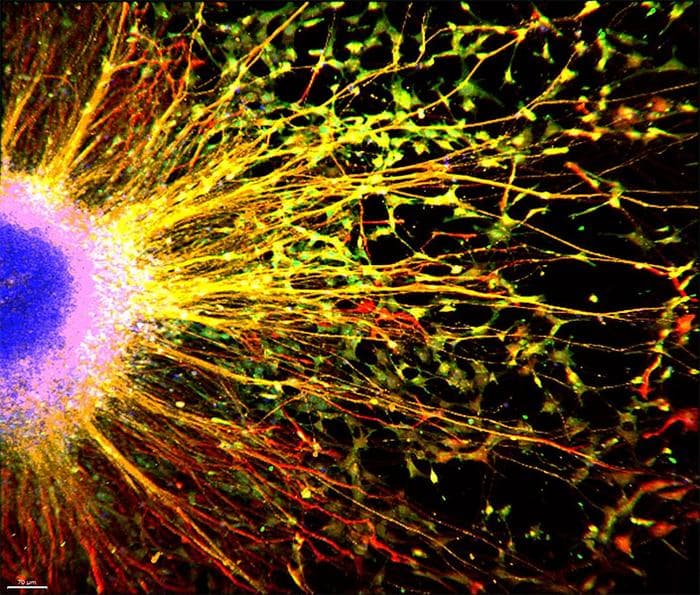
An experimental cancer drug could make thinking easier for individuals with Rett syndrome, a rare disorder linked to autism, according to new research from the University of California San Diego. The discovery that could lead to therapies for patients with other neurological conditions. The findings, published in Stem Cell Reports, highlight the role of microglia [...]
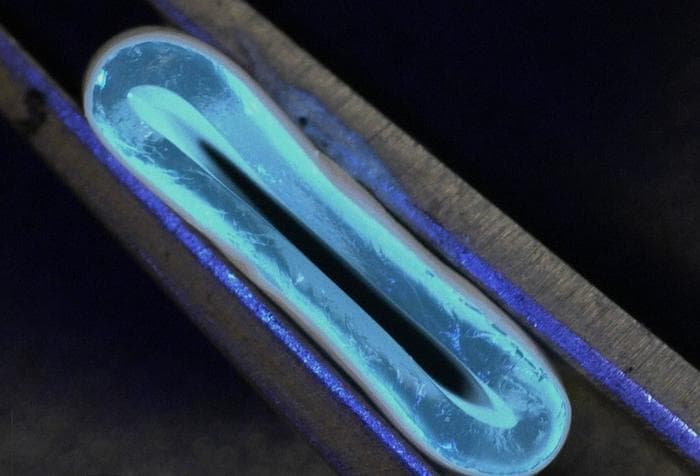
3D-printed blood vessels, which closely mimic the properties of human veins, could transform the treatment of cardiovascular diseases, according to researchers from the University of Edinburgh’s School of Engineering. Strong, flexible, gel-like tubes – created using a novel 3D printing technology – could improve outcomes for heart bypass patients by replacing the human and synthetic [...]