



Research

St John & St Elizabeth Hospital has launched a new children and young people’s elective day surgery service for children aged three and above, increasing access to high-quality paediatric care in London. The service provides elective day surgery with procedures available across a range of specialties including ENT, ophthalmology, maxillofacial, and plastic surgery; with further [...]

A trial of an interactive game that trains people to alter their brain waves has shown promise as a treatment for nerve pain – offering hope for a new generation of drug-free treatments. The PainWaive technology teaches users how to regulate abnormal brain activity linked to chronic nerve pain, offering a potential in-home, non-invasive alternative [...]

Dr Laura Trotta gives us an insight into her role at CluePoints and shares some of the lessons she’s learned so far Could you provide an overview of your role? As the VP Research Operations & Statistical Innovation at CluePoints, I lead a dedicated team of research scientists focused on developing cutting-edge statistical and machine [...]

A new study has found that depression is linked to an increased risk of dementia in both mid and later life. Previous studies have shown that people with depression are more likely to develop dementia later in life, but there’s been a lot of debate about when depression matters most, whether it’s depression that starts [...]

Young people suffering from certain types of cancer, such as bone tumours, are experiencing lengthy times to diagnosis, new research has found. Childhood cancer has been declared a global disease burden, with early diagnosis a priority. The aim of this study was to help researchers understand the journey that children and young people experience from [...]

Millions of people across the world still lack access to basic eye care such as glasses according to a new study. The research measured the global availability and quality of treatment for uncorrected refractive error, one of the most common forms of vision loss. The study used data from 815,273 participants from 76 countries and [...]

An artificial intelligence technique for detecting DNA fragments shed by tumours and circulating in a patient’s blood could help clinicians more quickly identify and determine if pancreatic cancer therapies are working. After testing the method, called ARTEMIS-DELFI, in blood samples from patients participating in two large clinical trials of pancreatic cancer treatments, researchers found that [...]

Using the 'gene scissors' CRISPR and stem cells, researchers have managed to identify a common denominator for different gene mutations that all cause the neurological disease ALS. The research shows that ALS-linked dysfunction occurs in the energy factories of nerve cells, the mitochondria, before the cells show other signs of disease, which was not previously [...]
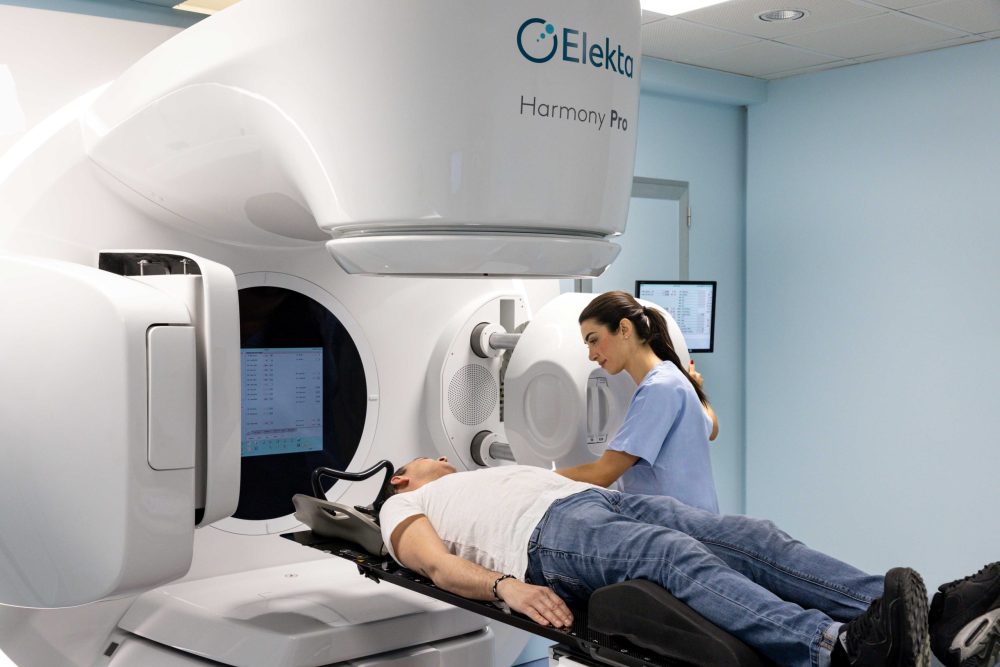
Ergéa UK, a vendor-neutral provider of Managed Equipment Services (MES), has published a comprehensive white paper exploring how modern MES solutions can help expand patient access to radiotherapy across the UK. Titled “Radiotherapy MES: A Planned Long-Term Solution to the UK Radiotherapy Crisis,” the paper outlines how a radiotherapy MES provides a structured, funded, and [...]

Scientists and medics have developed an ultra-rapid method of genetically diagnosing brain tumours that will cut the time it takes to classify them from 6-8 weeks, to as little as two hours – which could improve care for thousands of patients each year in the UK. The method has been developed by scientists at the [...]