


Opinion

As digital infrastructure expands, so too does the threat landscape. UK small and medium-sized enterprises (SMEs) are increasingly becoming prime targets for cybercriminals. These attacks often exploit gaps in outdated systems, limited budgets, or poor cybersecurity awareness. In 2025, ransomware, phishing, and supply chain attacks are expected to dominate, particularly among businesses that rely on [...]

Misinformation about reproductive health is a major concern for almost three quarters of British women, yet 44 per cent admit they do not fact-check medical information they see online, new data has revealed. The findings in a survey, conducted by women-led period and cycle tracker Clue, paint a clear picture of the impact medical misinformation [...]

By Dr Amy Watson, founder of MUSE Medical Clinic Hair removal is one of the most widely requested aesthetic treatments, but the field has changed significantly in recent years. Patients now expect more than a reduction in unwanted hair. They want treatments that are faster, more comfortable, and safe across a wider range of skin [...]

Paul O’Rourke, managing director of Next Stage Group, explores why smart technology in supported housing must be treated as a public health intervention, and how tech-enabled responsive environments can reduce long-term health harms linked to poor housing. We wouldn’t tolerate hospitals with mould on the walls or schools with broken heating. So why do we [...]

By Mr Kuen Yeow Chin, Consultant Plastic Surgeon and Founder of Apex Skin Clinic Skin cancer remains one of the most pressing public health challenges of our time. In the UK alone, melanoma cases have more than doubled in the past 25 years, and the numbers continue to rise. While treatment outcomes improve significantly with [...]

By Oscar Daws, Co-founder and Managing Director, Tone Product Design It can be tempting to cut corners on design to save time or money. In healthtech and medtech, however, this is usually a false economy. Products that ignore or sideline human-centred design risk more than frustrated users – they may face poor adoption, patient safety issues [...]
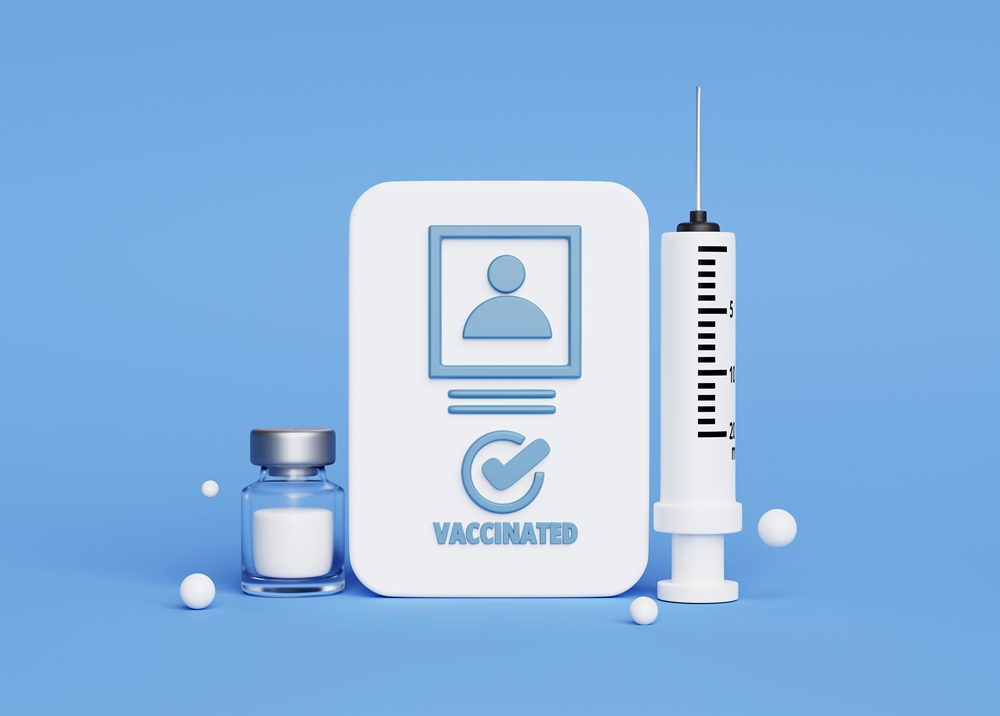
A US Centers for Disease Control vaccines advisory panel has voted to recommend separate vaccines for measles, mumps, rubella and chickenpox instead of a single combined jab. The advisory committee on immunisation practices (ACIP) shifted from recommending the combined MMRV vaccine to separate MMR and chickenpox doses. The move has raised concerns about compliance and [...]

By Roger Mazzella, Global Medical Industry Leader, Qt Group When designing a product, it’s natural to strive for innovation. However, in the MedTech space, chasing the latest features can sometimes sideline the very people who use these devices and applications. Users may be left struggling with complex interfaces that hinder rather than help. [...]

Most of us are told to cut back on screen time, to step away from the devices that seem to fill every spare moment. The usual concerns come up: too much scrolling might mess with your sleep, break your focus, or leave you feeling nervous and restless. But there’s another side to the story. For [...]

By Doug Stephen, President, CGS Immersive On a busy ward, a patient begins to deteriorate. The team has the protocol; what wobbles though is the communication: who speaks, who acts, and how quickly the plan is confirmed. In these moments, skills are more than clinical knowledge; they are behaviours under load. We [...]