



Mental health

A new study has revealed that while more teenagers report high mental wellbeing, at the same time, those who are struggling are rating their depressive symptoms significantly higher than previous cohorts did at the same age. The study examined changes in how young teenagers in Sweden rated their depressive symptoms over two decades. Researchers compared [...]

Researchers have received £2.4m in funding to develop new noninvasive brain stimulation interventions for patients with a wide range of conditions including depression, schizophrenia, and Tourette’s syndrome. Researchers at the University of Nottingham's School of Medicine, have received a Medical Research Programme Grant to test a series of novel interventions will lead to improved brain [...]

Researchers have uncovered important insights that could improve how mental health conditions are treated with brain stimulation therapy. Brain stimulation therapy is a treatment where electrical signals are used to stimulate specific parts of the brain. The research team developed a preclinical model of a human brain stimulation therapy and found the therapy works by [...]

Psilocybin-assisted psychotherapy resulted in significant reductions in depression among US clinicians who provided front-line COVID-19 care in 2020 and 2021, results from a double-blind, randomised clinical trial have found. These reductions were measurably greater than those experienced by the cohort of clinicians who received a placebo instead. The findings provide evidence, lead investigator Dr Anthony [...]

The current standard of care for psychosis is a diagnostic interview, but what if it could be diagnosed before the first symptom emerged? Researchers at the Del Monte Institute for Neuroscience at the University of Rochester are pointing toward a potential biomarker in the brain that could lead to more timely interventions and personalised care. [...]

People with poorer mental health are more prone to browsing negative content online, which further exacerbates their symptoms, finds a study led by UCL researchers. The relationship between mental health and web-browsing is causal and bi-directional, according to the Wellcome-funded study published in Nature Human Behaviour. The researchers have developed a plug-in tool that adds [...]
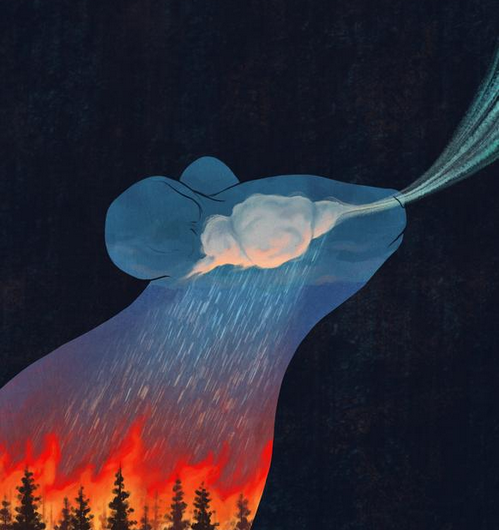
Researchers in the US have, for the first time, identified a specific brain circuit that regulates breathing voluntarily. Using mice, the researchers pinpointed a group of brain cells in the frontal cortex that connects to the brainstem, where vital actions like breathing are controlled. Their findings suggest this connection between the more sophisticated parts of [...]

Social media platforms like TikTok and Instagram are fuelling unrealistic, unhealthy obsessions with a lean and muscular physique among many young men, according to a new Australian study. Men who place higher importance on receiving likes and positive comments on their posts are significantly more likely to experience symptoms of what is termed “muscle dysmorphia” [...]
Young people today are growing up in a social media-saturated world where technology plays a central role in shaping most of their experiences. And the rapid rise of social media use has consequently created parental and societal fears about young people’s social and psychological well-being. Now, for the first time, a team of researchers led [...]

A Ukrainian researcher has developed a new digital tool for detecting autism and developmental delay in children, especially in places where medical systems are under strain – such as war-torn countries; and where support for children with developmental needs risks being delayed or deprioritised. The tool incorporates the basic principles of the Kids’ Development Diagnosis and [...]