



Medtech
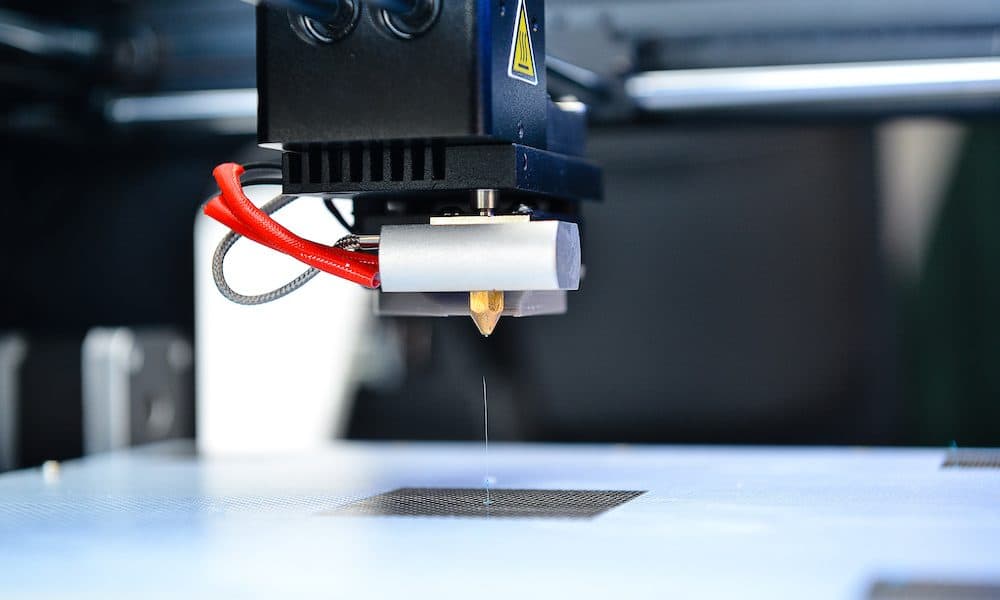
Researchers have developed a unique 3D printed system for harvesting stem cells from bioreactors, offering the potential for high quality, wide-scale production of stem cells in Australia at a lower cost. Stem cells offer great promise in the treatment of many diseases and injuries, from arthritis and diabetes to cancer, due to their ability to [...]

Researchers in Israel have demonstrated success of a novel technology that may eventually be developed into a one-time vaccine to treat people with HIV and AIDS. The Tel Aviv University team used CRISPR, a gene-editing technique, to engineer type B white blood cells that activate the immune system to produce HIV-neutralising antibodies. The study was [...]

Men with 'intermediate risk' prostate cancer may be able to avoid surgery, chemotherapy and radiation, thanks to a new method of treatment. The new approach uses high-intensity focused ultrasound (HIFU) guided by magnetic resonance imaging (MRI) to destroy small tumours confined to one area of the prostate with little to no side effects. At Memorial [...]

When looking for an investor for your health technology company you should approach the search the same way you would the hunt for a romantic partner. You may have to kiss a few frogs first, but if you communicate honestly and are open about your expectations, you’ll find just the right match. Nurture the relationship [...]

Scientists in Japan have created a hot-melt tissue adhesive - a medical glue that is applied in a molten state - capable of healing operative wounds. The adhesive has excellent medical material properties in terms of its ease of use, adhesiveness to tissues, biocompatibility and ability to prevent postoperative complications. The National Institute for Materials Science [...]

US researchers have developed a tiny neural probe that can be implanted for long time periods to record and stimulate neural activity, while minimising injury to the surrounding tissue. The new neural probe, detailed in a paper published June 7 in Nature Communications, is extremely thin - about one-fifth the width of a human hair [...]
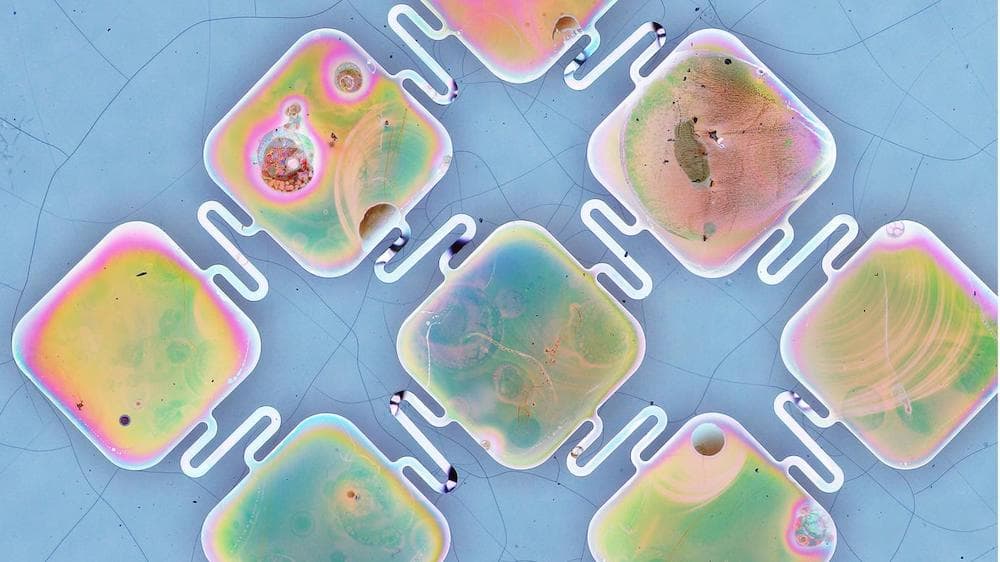
Holes help make sponges useful. Without holes, they would not be flexible enough to bend into small crevices. In a new study, University of Chicago scientists have found that holes can also improve technology, including medical devices. Published in Nature Materials, the paper describes an entirely new way to make a solar cell: by etching [...]
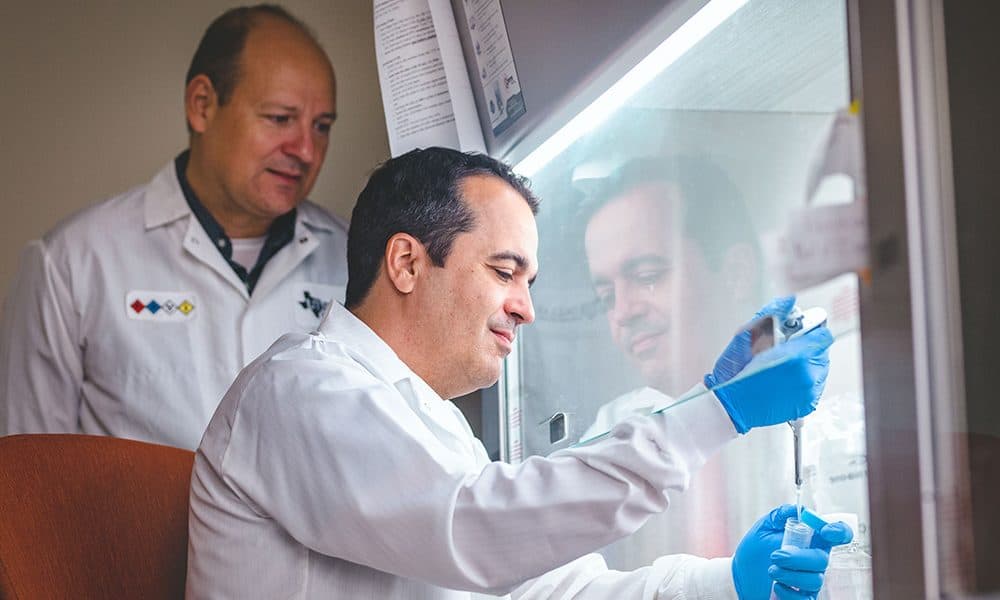
Advances in synthetic biology and genome editing have led to a growing industry to develop customised cell lines for medical research. These engineered cell lines, however, can be vulnerable to misidentification, cross-contamination and illegal replication. A team of University of Texas at Dallas researchers has developed a first-of-its-kind method to create a unique identifier for [...]

A group of scientists in Japan have developed a computational DNA droplet that can recognise specific combinations of chemically synthesised microRNAs (miRNAs) which act as biomarkers of tumours. Using these miRNAs as molecular input, the droplets can give a DNA logic computing output through physical DNA droplet phase separation. The findings of Professor Masahiro Takinoue [...]