


Life sciences

Hundreds of patients with a rare genetic condition that causes rickets and severe bone and dental problems can now receive a “life-changing” new therapy on the NHS in England. Targeted drug burosumab has been shown to help transform the lives of adults with an inherited condition that leads to low levels of the mineral phosphate [...]

Scientists have developed a new method of genetic analysis which extracts more precise data from DNA and could help to tackle rare and complex diseases. The findings of the new study explain a new method of analysing genetics, which determines the extent to which genes are involved in phenotype formation. Previously used methods extracted information using [...]

Researchers have identified a novel type of immune cell, called the stem-like CD4 T cell, that plays a pivotal role in anti-tumour immunity. The pre-clinical findings, published in Nature, highlight the potential to activate these cells to fight tumours more effectively, offering new hope for broader treatment success, particularly in patients with cancer that is [...]

Sir Chris Hoy’s terminal cancer diagnosis prompts near sevenfold increase for prostate cancer advice
Visits for prostate cancer symptoms advice on the NHS website rose by 672 per cent following Sir Chris Hoy’s announcement about his terminal prognosis. New figures from NHS England show that in the 48 hours after the six-time Olympic champion revealed his cancer was incurable, there were 14,478 visits to the page on prostate cancer symptoms. [...]
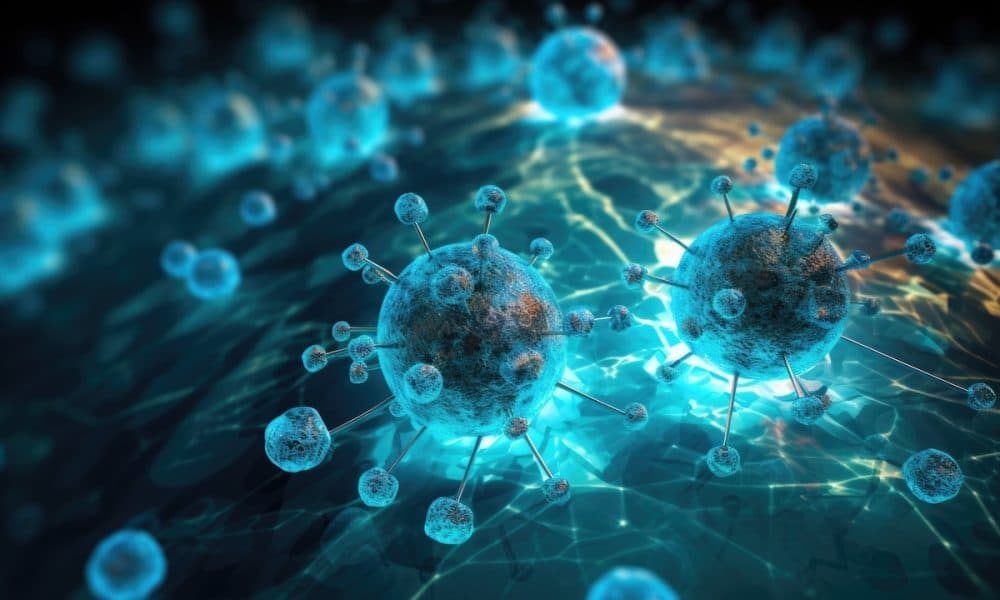
Researchers have developed a cancer immunotherapy system that can be switched off and on to varying degrees of intensity, using existing drugs. Scientists at Ludwig Institute for Cancer Research have devised new types of chimeric antigen-receptor (CAR) T cells. These cells express synthetic receptors that detect specific molecular markers, or antigens, on cancer cells using [...]

A new national research hub is set to position the UK as a world leader in the emerging global field of long-acting therapeutics (LATs). A multidisciplinary team of experts from the University of Nottingham are part of The EPSRC Hub for Advanced Long-acting Therapeutics (HALo), which is led by the University of Liverpool. The new [...]

A university spin-out backed by US$2.5 m in funding is harnessing AI to develop software that could speed up cell-based immunotherapy in cancer treatment. CellChorus, a spin-out from the University of Houston, has developed a platform for the dynamic analysis of single cells called TIMING (time-lapse imaging microscopy in nanowell grids). The specialised tool enables [...]

US scientists Victor Ambros and Gary Ruvkun have been awarded the Nobel Prize in Physiology or Medicine 2024 for their pioneering discoveries around microRNA. MicroRNAs are an influential force in dictating how genes within organisms are controlled; and are currently the subject of clinical trials for potential heart disease, cancer, neurodegenerative disease treatments. Instead of [...]

Critical Path Institute (C-Path) has successfully concluded its inaugural Global Impact Conference (CGIC) that brought together more than 300 industry leaders, regulatory agencies, academic experts, and patient advocacy groups, all dedicated to advancing drug development and regulatory science for rare diseases. The conference opened with remarks from C-Path CEO Klaus Romero, M.D., M.S., FCP. Dr. [...]

Insilico Medicine has announced a new collaboration with Inimmune which will utilise Chemistry42, Insilico's proprietary generative artificial intelligence (AI) technology to accelerate the discovery and development of next-generation immunotherapeutics. Chemistry42, a multi-agent reinforcement learning system designed with medicinal chemists in mind, is designed to tackle key challenges in small molecule drug discovery, including novelty, diversity, [...]