


Diagnostics

A Scottish PhD student has created an AI device to support early skin cancer diagnosis in remote areas, without needing internet or direct access to a dermatologist. Tess Watt, a PhD student at Heriot-Watt University in Edinburgh, developed the system using a small camera connected to a Raspberry Pi – a low-cost, energy-efficient handheld computer. [...]

As the NHS lays out its ambitious 10-year plan for the future of healthcare in the UK, diagnostics and digital transformation are taking centre stage. From AI-assisted clinical tools to value-based procurement models and the expansion of Community Diagnostic Centres (CDCs), the plan signals a renewed focus on technology supporting a more equitable, efficient, and [...]

The NHS’s rollout of a revolutionary liquid biopsy test for lung and breast cancer is making headlines—and for good reason. By detecting tumour DNA through a simple blood draw, patients are now receiving targeted treatment up to two weeks earlier. It’s a breakthrough that marks a wider shift in cancer care: from one-size-fits-all treatments to [...]

Health Tech World explores the latest developments in the world of health technology. Synthetic DNA nanoparticles for gene therapy A grant has been awarded for research in synthetic DNA nanoparticles, which have potential applications in gene therapy. The grant will support work in synthesising nanoparticles and studying how they behave inside cells in a laboratory [...]

A new plastic material free from harmful “forever chemicals” could provide a more environmentally friendly option for wearable electronics, sensors and other electrical applications. Researchers have developed a ferroelectric polymer that does not contain fluorine – a persistent environmental pollutant used in conventional electronic plastics. The material retains its electrical properties without the need to [...]
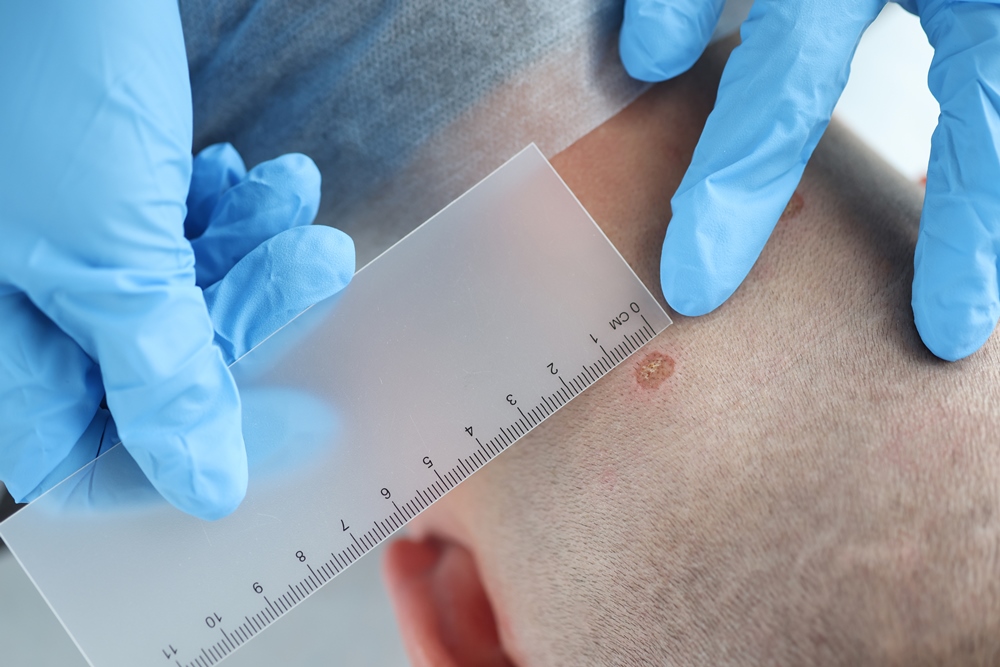
Digital photography and AI analysis have cut skin cancer diagnosis waiting times from weeks to days in Nottinghamshire. Patients with suspected skin cancer are now typically seen by clinical photographers within a couple of days of GP referral, with images sent to consultant dermatologists for remote assessment. The service uses artificial intelligence software on smartphones [...]

As the NHS faces unprecedented pressure, the conversation around personalised prevention is intensifying. Health providers and policymakers alike are looking to genomics as a potential turning point—not just in treating disease, but in preventing it. Private sector initiatives, such as Bupa’s My Genomic Health programme and the government-backed Our Future Health study, show that demand [...]

A credit card-sized tuberculosis test that works without electricity has shown 87 per cent accuracy in detecting TB among people living with HIV. The portable device addresses a long-standing diagnostic gap, as standard tests often miss TB in individuals whose weakened immune systems make the infection harder to detect. Traditional TB tests rely on immune [...]

Many doctors stop using point-of-care ultrasound (POCUS) shortly after training due to workplace barriers that prevent it from becoming routine, new research suggests. POCUS devices allow rapid bedside imaging and can identify conditions such as heart failure, fluid in the lungs, and internal bleeding — all of which may be treatable if caught early. Although [...]
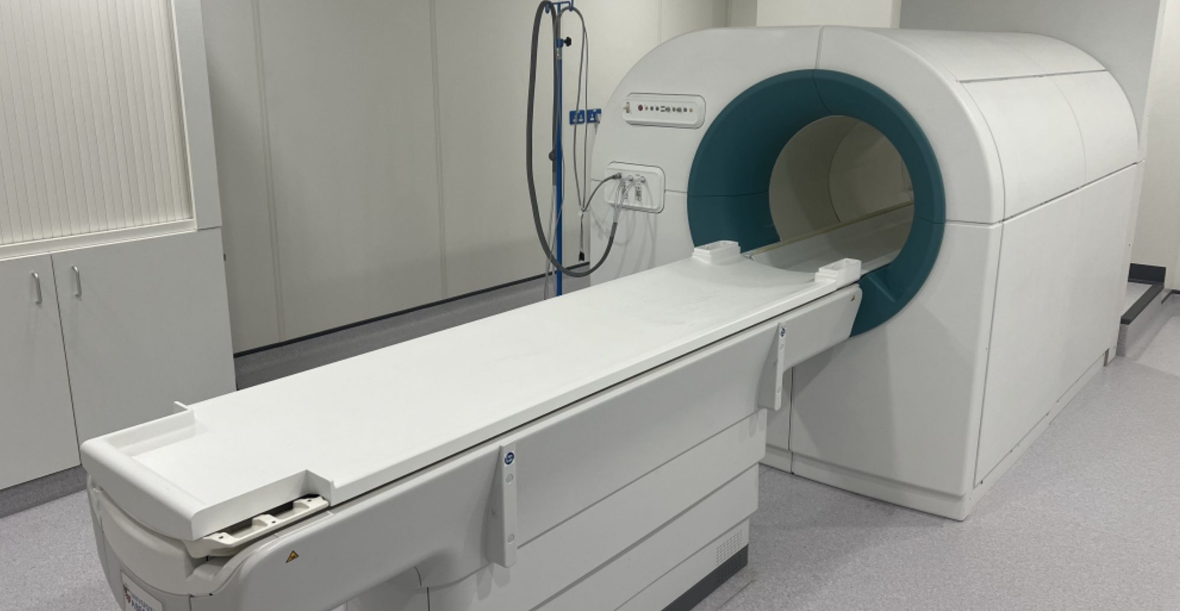
A world-first trial of a new scanner that could track the spread of brain cancer has begun in Aberdeen, involving glioblastoma patients. The field cycling imaging (FCI) scanner, which derives from MRI technology, operates at low and ultra-low magnetic fields and is being tested at the University of Aberdeen and NHS Grampian. Researchers say it [...]