

Diagnostics

A British company specialising in molecular diagnostics is launching a new, innovative sub-typing kit for detecting breast cancer - a huge step forward for precision medicine and personalised healthcare. Apis Assay Technologies, addresses a number of unmet needs in current practice, including providing highly reproducible results, particularly for low HER2 expression. This is a highly [...]

AI is set to be the powerhouse of future health, diagnostics and medicine. But where does it stand with women's health? We asked honorary clinical lecturer and author Dr Nicky Keay for her expert insights... In a world of fast-emerging artificial intelligence, the pressure is on to ensure the tech is capable of equality, diversity [...]
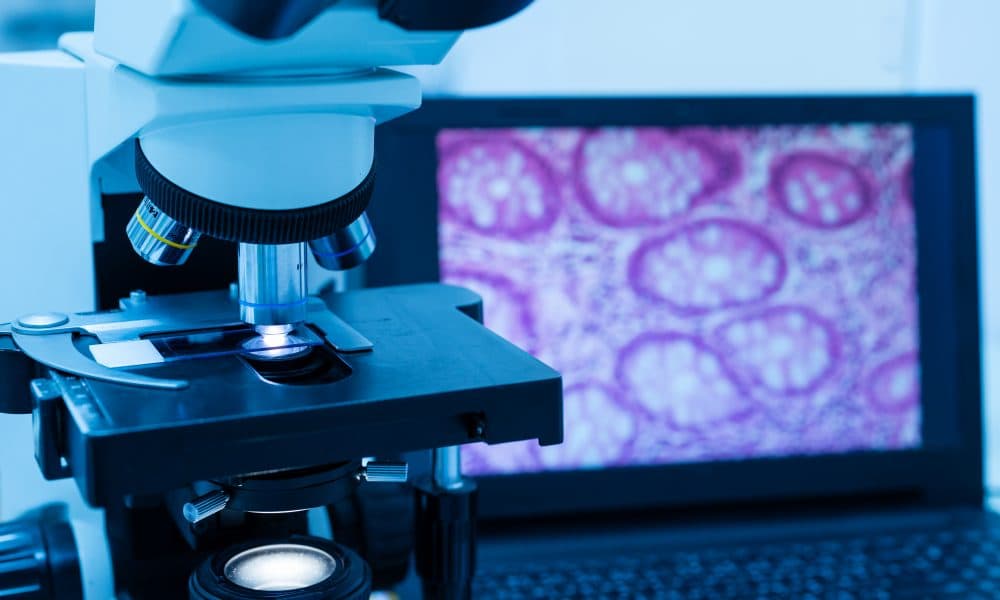
Patients needing a biopsy for skin cancer may be able to skip the step completely with a new laser scanner solution - reducing invasive treatment by 66%. A major study published in The Lancet Oncology announced ground-breaking findings on Michelson Diagnostics, which concluded that OCT-guided diagnosis, when compared to a standard punch biopsy, could reduce [...]
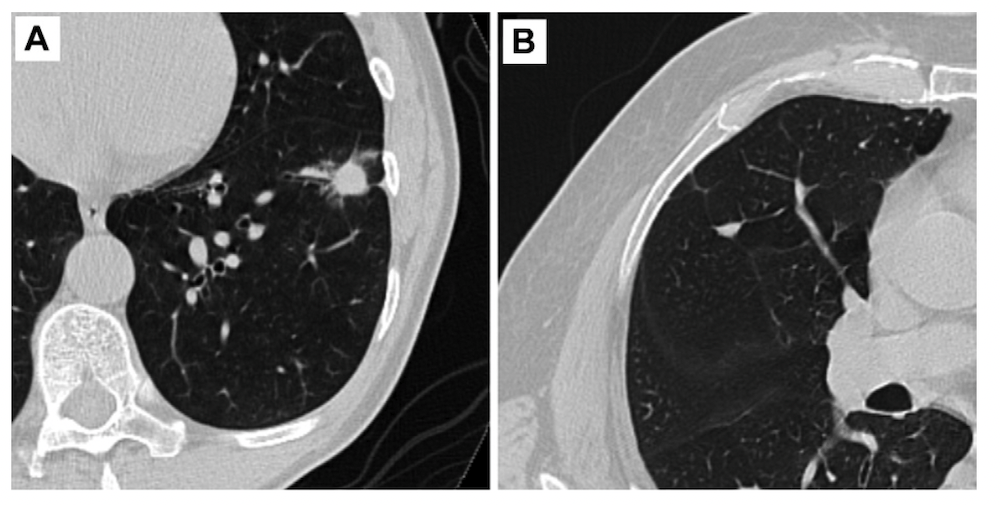
An AI tool will help doctors to predict the cancer risk in lung nodules seen on computerised tomography (CT), according to a new study. Pulmonary nodules appear as small spots on the lungs on chest imaging. They have become a much more common finding as CT has gained favour over x-rays for chest imaging. “A nodule [...]
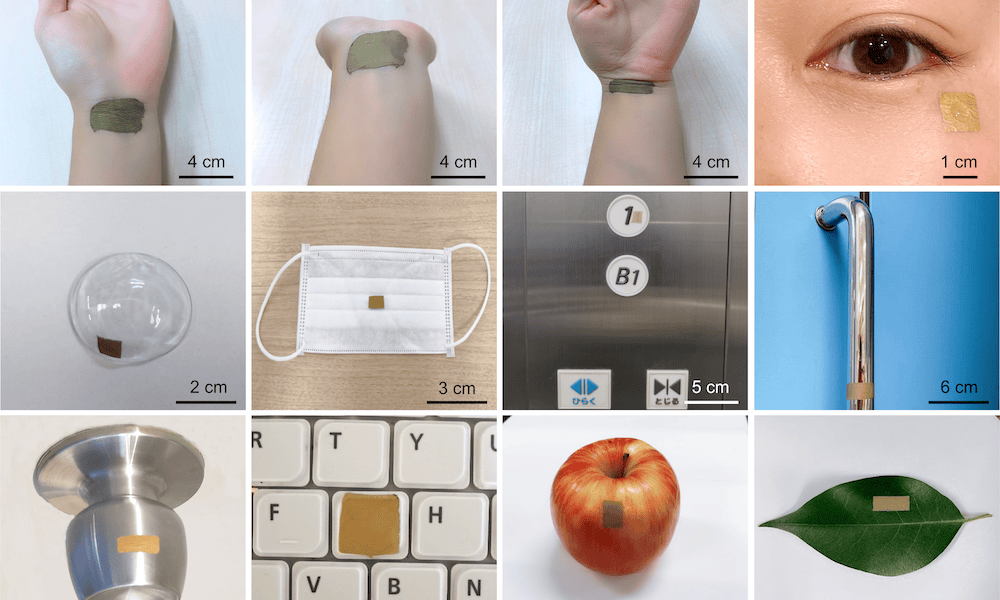
Researchers have created a special ultrathin sensor, spun from gold, that can be attached directly to the skin without irritation or discomfort. The sensor can measure different biomarkers or substances to perform on-body chemical analysis. It works using a technique called Raman spectroscopy, where laser light aimed at the sensor is changed slightly depending on [...]
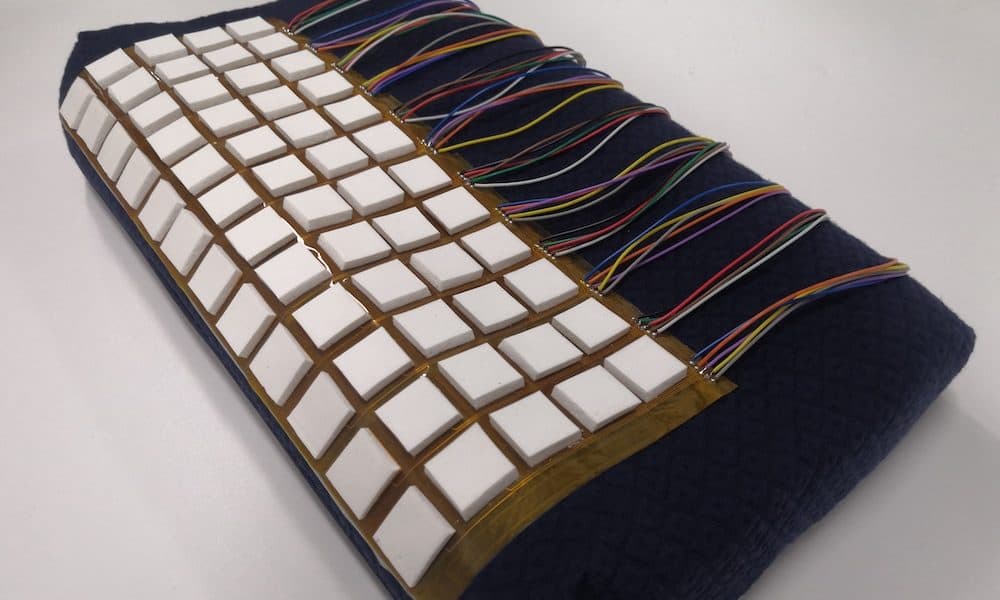
The human body needs sleep as much as it needs food and water. Yet many people fail to get enough, causing both mind and body to suffer. People who struggle for shut-eye could benefit from monitoring their sleep, but they have limited options for doing so. In a new study published in ACS Applied Materials [...]

A new algorithm can analyse thousands of variants across the genome and estimate a person’s risk of developing chronic kidney disease - and it works in people of African, Asian, European and LatinX descent. “With this polygenic method, we can identify individuals at risk decades before the onset of kidney disease, and those with high [...]

Scientists have discovered that an injury to one part of the brain changes the connections between nerve cells across the entire brain. The new research from the University of California, Irvine was published on June 14 in Nature Communications. Every year in the United States, nearly two million Americans sustain a traumatic brain injury (TBI). [...]