Biotech

By Sharon Hanley, director of Primary Care, X-on Health General practice is operating under unsustainable pressure, it has long been the front door to the NHS, but despite the introduction of tools such as digital and AI automations designed to assist GPs, the weight of demand is intense. Rising patient need, widening inequalities, and a [...]

Researchers have developed a nanoparticle-based cancer vaccine that prevented melanoma, pancreatic and triple-negative breast cancers from spreading in mice. Scientists at the University of Massachusetts Amherst found the vaccine could both shrink and eliminate cancer tumours in rodents, as well as act preventively. The experimental jab kept up to 88 per cent of vaccinated mice [...]

Scientists have grown embryo-like structures in the laboratory that produced human blood cells, raising new possibilities for regenerative medicine. The discovery could one day enable patients who need bone marrow transplants to receive cells grown from their own tissue, avoiding compatibility issues. The embryo models were made from stem cells, without using eggs or sperm, [...]

Health Tech world explores the latest research developments in the world of health technology. New antibiotic targets IBD, and AI predicted how it would work Researchers have made two scientific breakthroughs at once: they have discovered a brand-new antibiotic that targets inflammatory bowel diseases (IBD), and have successfully used a new type of AI to [...]

A potential new treatment target for Alzheimer's disease has been identified after a novel technique improved cognitive function in mice with the condition. Alzheimer's disease is thought to result from the abnormal build-up of proteins in and around brain cells. One of these proteins, amyloid, forms plaque around the cells. In an early study, researchers [...]
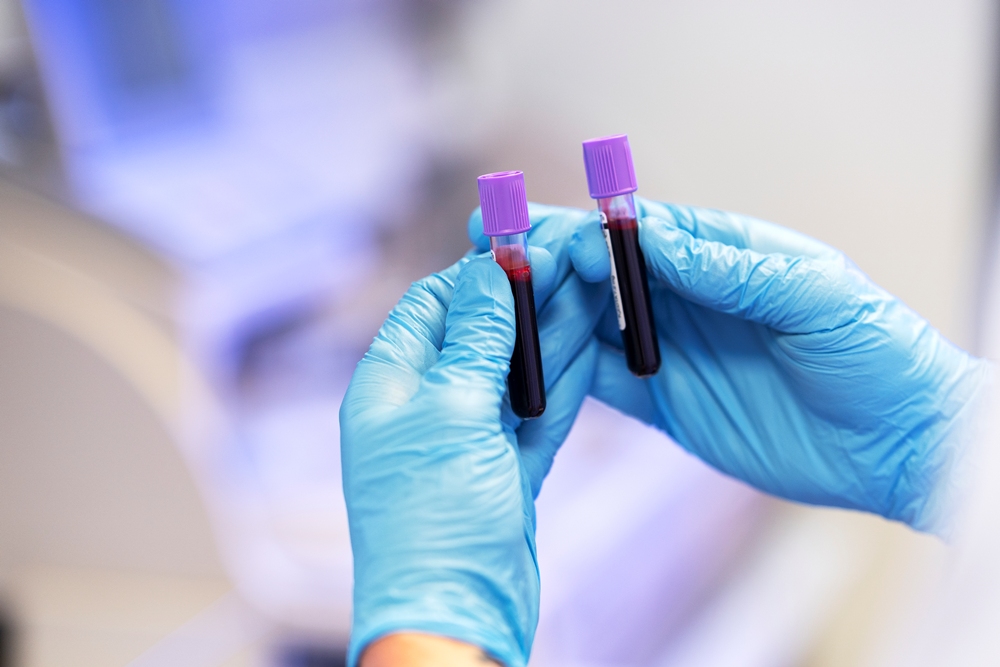
Scientists say they have developed the first blood test to diagnose chronic fatigue syndrome, though experts warn further studies are needed. The test could change how doctors identify myalgic encephalomyelitis/chronic fatigue syndrome (ME/CFS) – a debilitating illness marked by extreme tiredness not eased by rest. There is currently no diagnostic test, and many patients face [...]

Odgers’ Chris Hamilton and Mike Drew explain why ethics and regulation are becoming defining challenge for longevity executives As the longevity sector races forward, armed with breakthroughs in cellular reprogramming, gene therapies, and AI-driven diagnostics, one reality is becoming clear: scientific innovation alone is no longer enough. Ethical integrity and regulatory fluency are fast becoming [...]
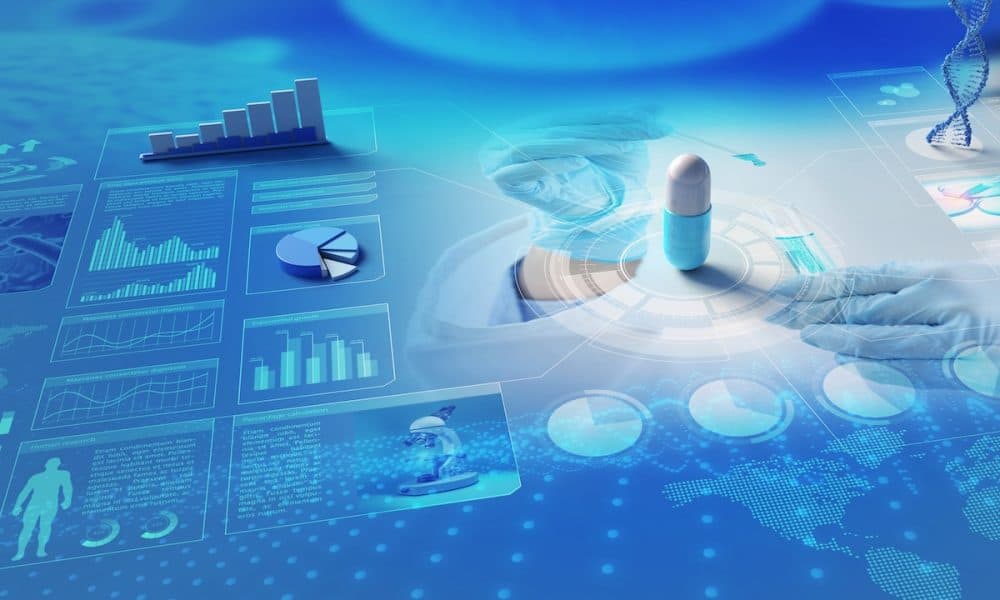
By Rafaat Rahmani, CEO at Lifescience Dynamics, shares his reflections and predictions for the pharmaceutical industry. The pharmaceutical and medical industry is experiencing greater focus and priority this year, with the 2024 spring budget set to include a £92 million investment in facilities expansion and R&D, highlighting the need for development and manufacturing of life-saving [...]
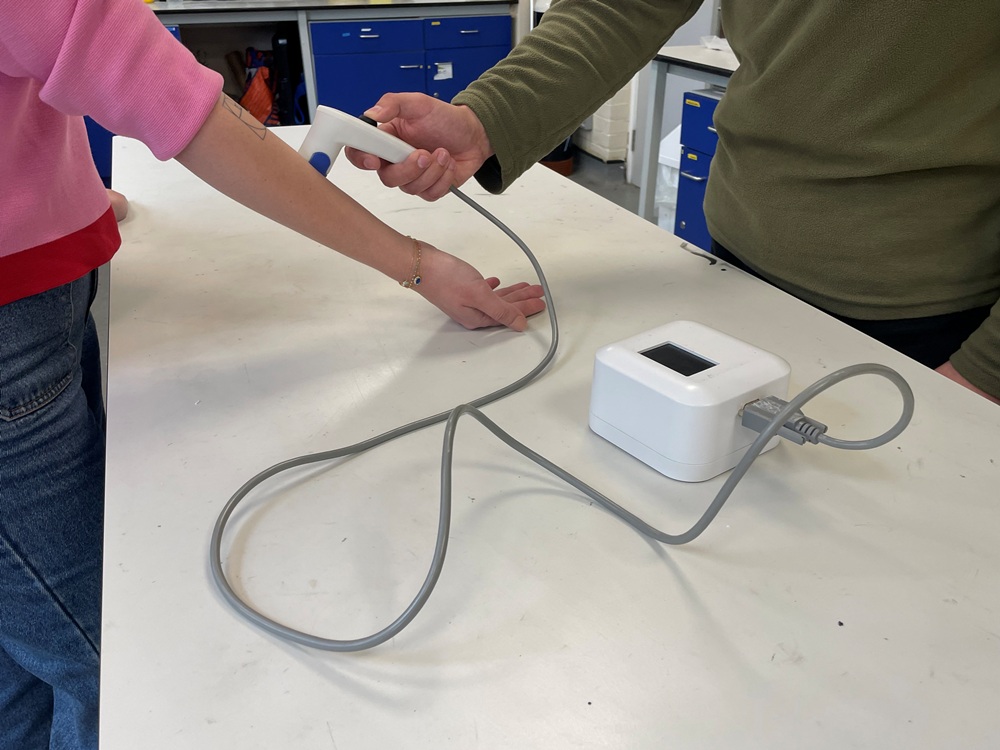
An innovative technology developed by researchers in the UK has received over £475,000 in funding to revolutionise how eczema is diagnosed and treated, potentially ending years of suffering for millions of patients across the UK. The innovative vibroacoustic sensor, which measures material changes in each layer of skin using small vibrations on the surface, has [...]

Ellipses Pharma has announced that its partner, Kelun Biotech, has had its new drug application (NDA) for the next-generation selective RET inhibitor EP0031/A400 accepted for review by China’s CDE under the NMPA. This acceptance for review, a key step in the regulatory approval process, is based on the positive results from the two pivotal Phase [...]